Disclosure: This article contains affiliate links to tours, tickets and other Sri Lanka travel services. If you book through one of them, we may earn a small commission at no extra cost to you. It never changes what we recommend.
There are plenty of articles on our website about coastlines and idyllic beaches. Not to boast, Sri Lanka’s beauty doesn’t stop at the shore. Inland, the island hides a world of river bends and cascading waterfalls just waiting to be explored. This time, I’m taking you on a white-water rafting journey along Sri Lanka’s second-longest river, Kitulgala. This is for the thrill-seekers. The water spirits. The ones who don’t just want to see a river, but want to feel it beneath them.
So gear up, hold tight, and let’s hit those rapids together.
Why Kitulgala Is Perfect for White Water Rafting
Kitulgala is a picturesque little village nestled in Sri Lanka’s Sabaragamuwa Province. It’s the only place in the country that offers a white-water rafting experience. The Kelani River, Sri Lanka’s second-longest river, flows for 179 km, winding past the lush Makandawa Forest Reserve. On this trip, you’ll take on an adrenaline-filled 5 km stretch.
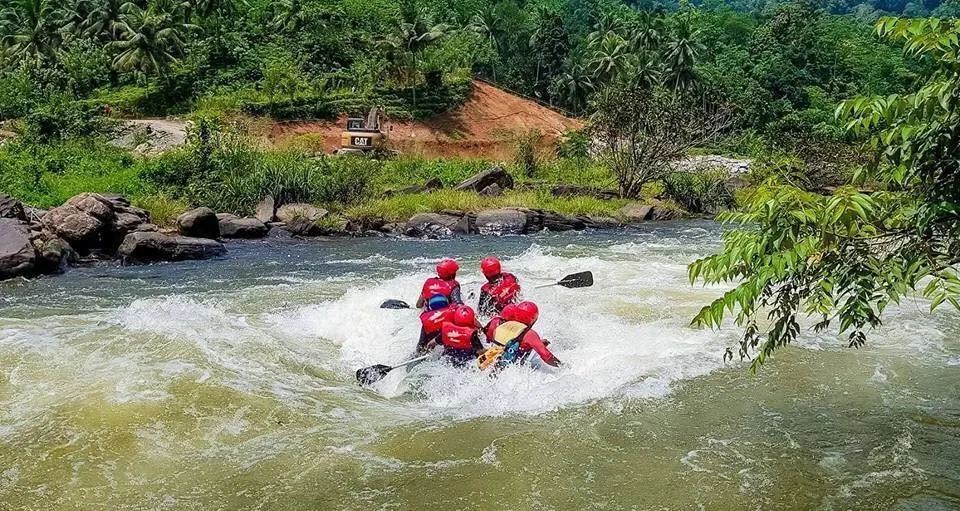
Rafting first arrived here in 1990, introduced by a British visitor, and we’ve been riding those waves ever since. Rapids and flats are the secret sauce of this sport: the rush of powering through a rapid, followed by the calm of drifting through a flat before the next one hits. Kitulgala’s natural layout offers the perfect mix for an ultimate rafting adventure, almost as if nature designed it just for this.
Directions to Kitulgala
It’s about a 2-hour drive from Colombo via the Colombo-Hatton A7 route, passing through Avissawella along the way. Google Maps will guide you straight to the destination, and most of the time, you can simply search using the name of the guide team you’ve booked with.
Ah, yes, you’ll need to book a guide, and my insider tips on finding the best one in the scene are coming up further down. Since the activities kick off in the morning, it’s worth arranging a convenient commute so you arrive on time. Buses are also available in the early morning, from Colombo and Ella, as Kitulgala sits right along that route.
A Step-by-Step Guide to White Water Rafting in Kitulgala
After all the adventures I’ve experienced in my life, this is one I always want to do again.
Getting Ready
First things first, you’ll need to dress comfortably for rafting. A changing room is available on-site, and you’ll be provided with good-quality safety helmets and jackets before heading out. From there, you’ll hop into a cab or small truck along with your rafts, paddles, and boats for the short ride to the starting point.
Safety First
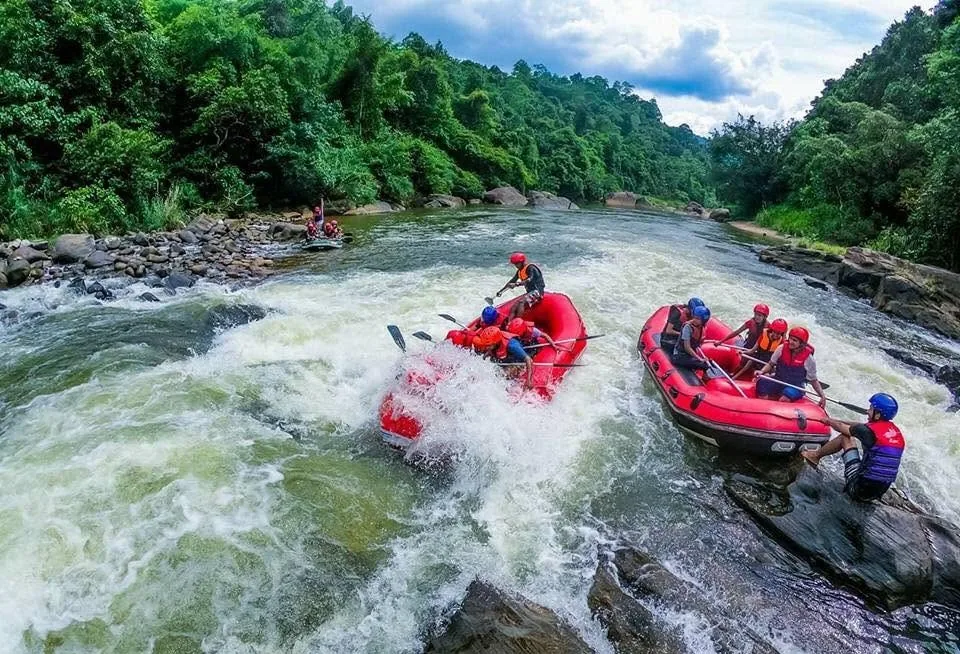
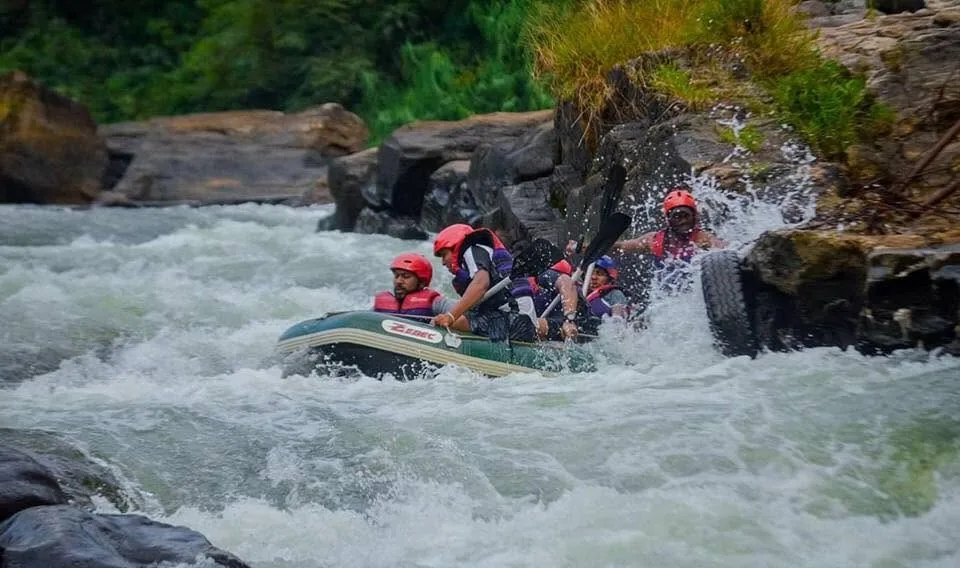
Once you’re there, you’ll get a full safety briefing before hitting the water, so you don’t need any prior experience to join in. These guides are experts, so listen closely. You’ll pick up simple commands like forward, backward, and relax. Then it’s time for the real thrill. Along this stretch of the Kelani River, you’ll face seven exciting rapids, each with its own rhythm and rush.
How Tough Is It?
Rafting in Kitulgala is graded 2 to 4 depending on the season, making it suitable for both beginners and intermediate adventurers. The rapids pack enough thrill to excite first-timers, and it’s even suitable for kids as young as 10. Trips typically run 1.5 to 2 hours, depending on water levels and the chosen route.
Best Time to Visit
The best time for white-water rafting and canyoning is between October and April, when the river flow is strong and the rapids are reliable. If you’re after something calmer, January to March brings lower, clearer water, making it ideal for swimming and flat-water activities. Then from May to September, the south-west monsoon sets in with heavy rain, which isn’t the best time for rafting, but it’s a great window for birdwatching and forest walks, since the forest comes alive during this season.
Rafting Tales
As soon as you pass the first rapid, the real adventure begins. Water splashes over you as you bump and thud through the current, leaving no time to even think before the second rapid hits. You might hear local rafters nearby shouting “Budu ammo!” (Good Lord!) in excitement. Don’t hesitate to join in and shout along with them. During our tour, 12 of my university friends joined in, split across two rafts, and the thrill skyrocketed the moment our boats decided to race each other. We were paddlers and cheerleaders, all in one.
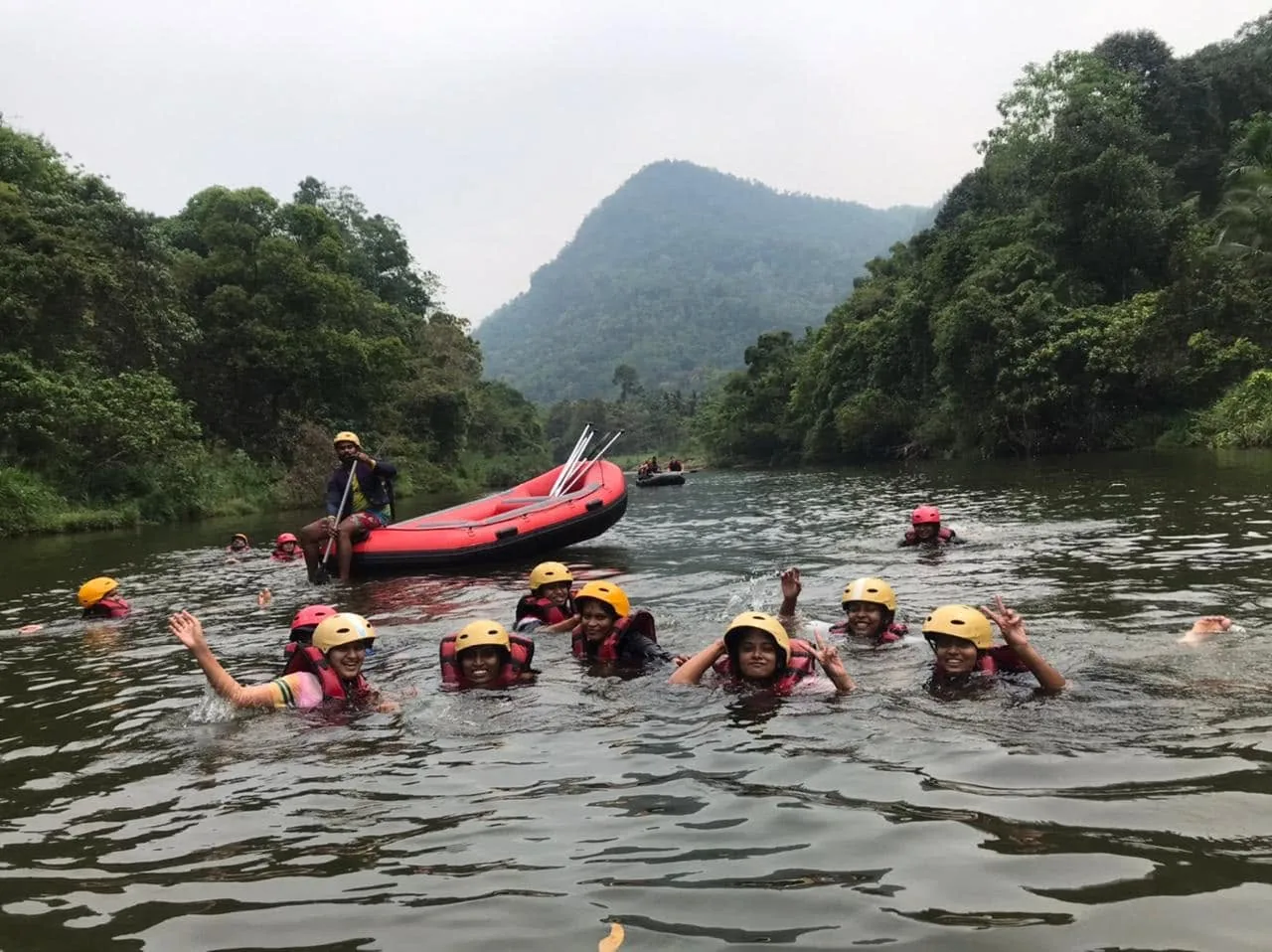
Next up, the guides flipped our boat upside down. Those of us who weren’t confident swimmers panicked for a second, forgetting we were wearing full safety jackets the whole time. So don’t worry, you’re not going to sink. Just relax and let it happen. The most adventurous moment came when one of us ended up trapped underneath the boat, and it took a few seconds of disorientation before finally breaking through to sunlight again. After that rush, they let us float calmly along the river for a while.
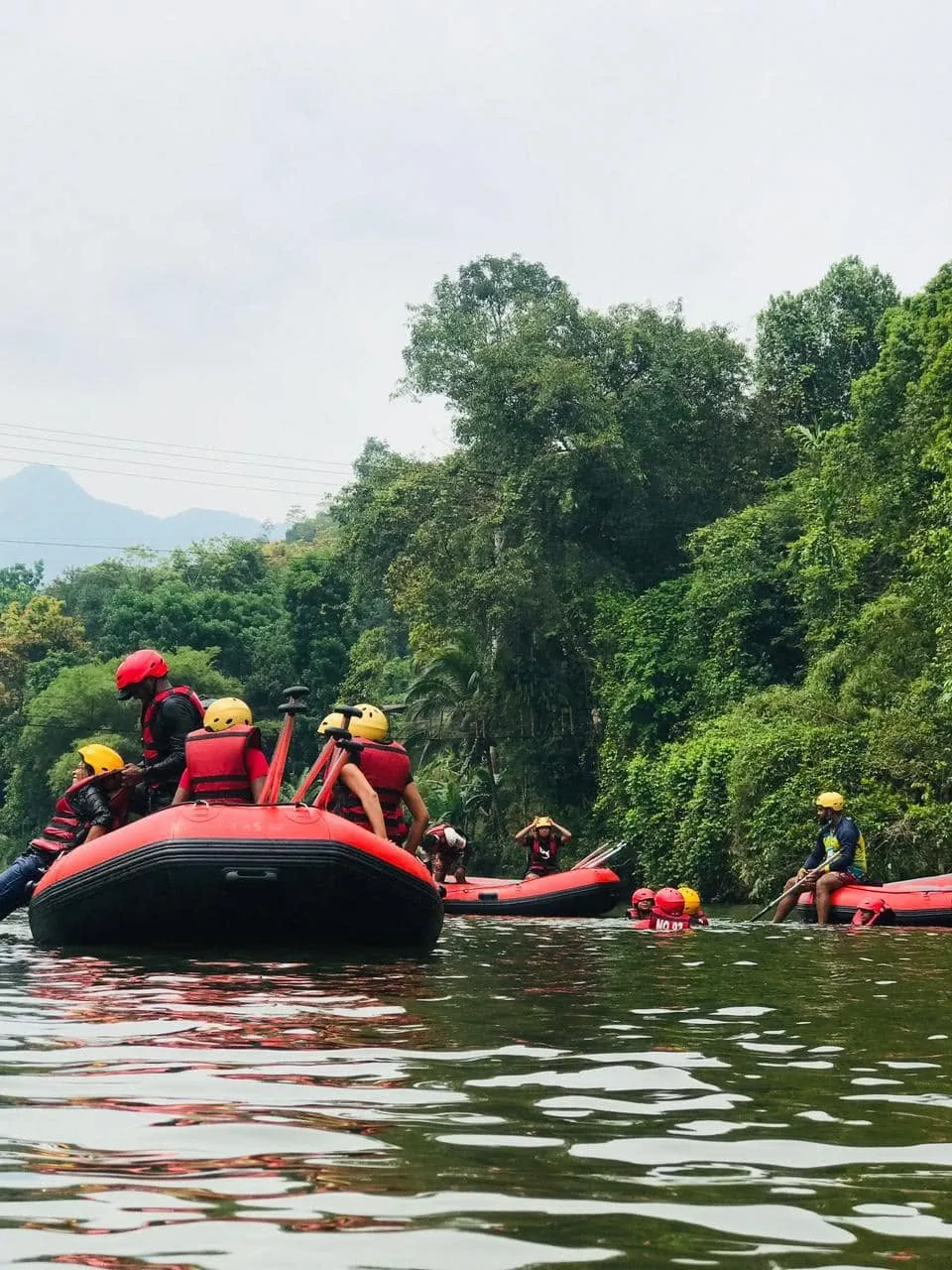
You’d think the chills were over by then. Guess what? Not even close!
The Bridge on the River Kwai and the Kitulgala Connection
“One day the war will be over. And I hope that the people that use this bridge in years to come will remember how it was built and who built it.”
I think this is the time to do it. This quote is from the renowned film Bridge on the River Kwai, and here’s something that might just ruin your childhood memory. The classic film, which won 7 Oscars from 8 nominations, was never actually set on the River Kwai. It was filmed right here on the Kelani River in Kitulgala, the very river you’re rafting on.
The crew built a wooden bridge joining the banks of the Kelani River and blew up a real train for the shot. Even today, you can still spot the concrete columns and other remnants of the bridge that survived the explosion. The film was shot in 1957, making it almost 70 years ago now. Your guides will point out the area and tell you the full story, guaranteed.
If you want to see how that nostalgic piece of cinema history lies beneath the water, click the link and watch from the 2:00 minute mark onwards.
https://www.youtube.com/watch?v=0IwOtAwwUAA
Kitulgala Adventure Camp: What Else Can You Do?
After the rafting, there’s a trek to the adventure camp. Come prepared with DEET-based insect repellent, as there might be leeches along the path.
Next up is the water abseiling experience. You’ll be provided with safety belts and harnesses. There are also three spots for confidence jumps, each one higher than the last, sending a fresh set of chills down your spine every time. Rock sliding is another highlight, and yes, you can even slide down upside down without a scratch. Finally, soothing rock pool bathing rounds out your Kitulgala adventure camp experience.
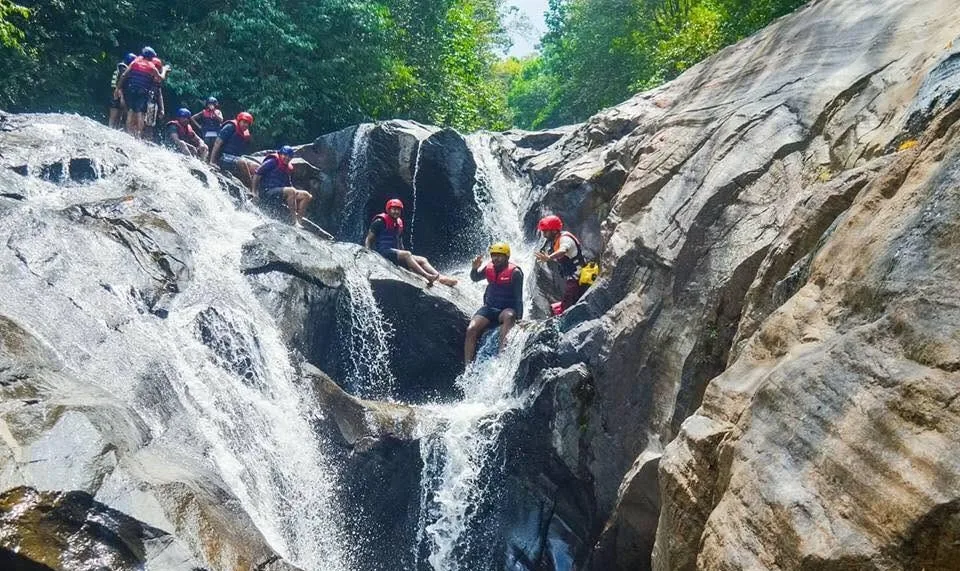
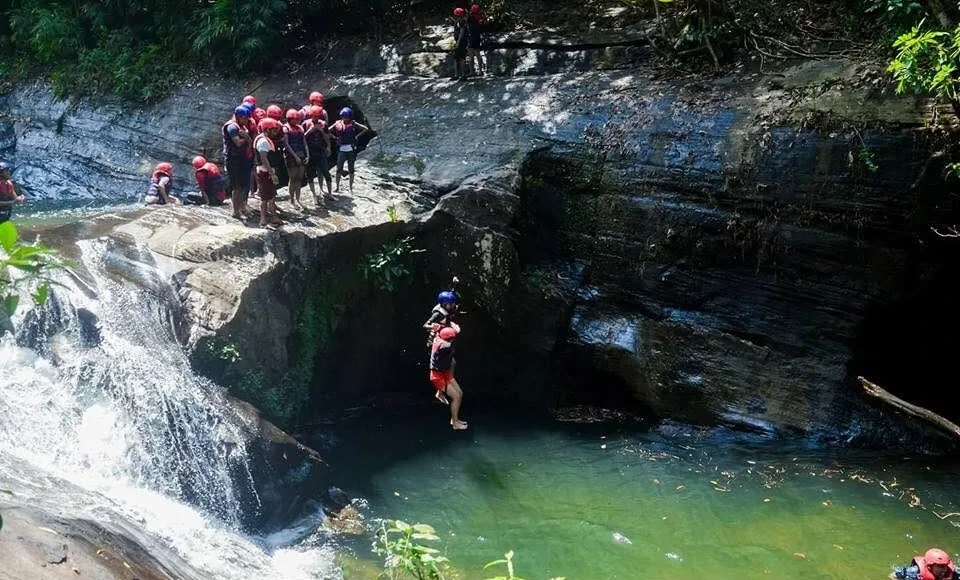
After our journey, we received a full video of our rafting adventure. If you’re planning to bring your phone or camera to the trip, make sure to keep them protected from water.
The guides also offer overnight camping, with packages ranging from one-day trips to two-day or even three-day adventures. During these extended stays, you can also experience:
- Canyoning
- Kayaking and flat-water kayaking
- River boarding and tubing
- Canoeing
- Cycling
- Swimming
- Ziplining
- Jungle trekking
- Bird watching
- Camping under the stars
At the end of the day, the quality of your Kitulgala rafting experience depends on the guides you choose. WhatsApp Adventure Hunters at +94 77 933 7944 for the best recommended adventure experience. I personally recommend them because they offer pickup and drop-off in Colombo and have some of the most versatile packages around, with on-site first aid, activity insurance, and certified guides.
Alternatively, search “Kitulgala” on Facebook, and you’ll find a bunch of service providers to choose from. Go through their packages and pick the one that best fits your preferences.
If you’d rather book your rafting trip online in advance, this Kitulgala adventure day tour from Colombo includes rafting and transport.
Kitulgala Rafting Packages and Prices
It depends on the guides you pick and the package you choose, but here’s a rough idea to work with. Try to gather a group of six or more people to avoid unnecessary extra charges, and the thrill doubles when you’ve got more friends. That said, you can still make it happen with just two people. Typically, it costs around 12 USD per person for rafting only.
Nearby Places to Visit
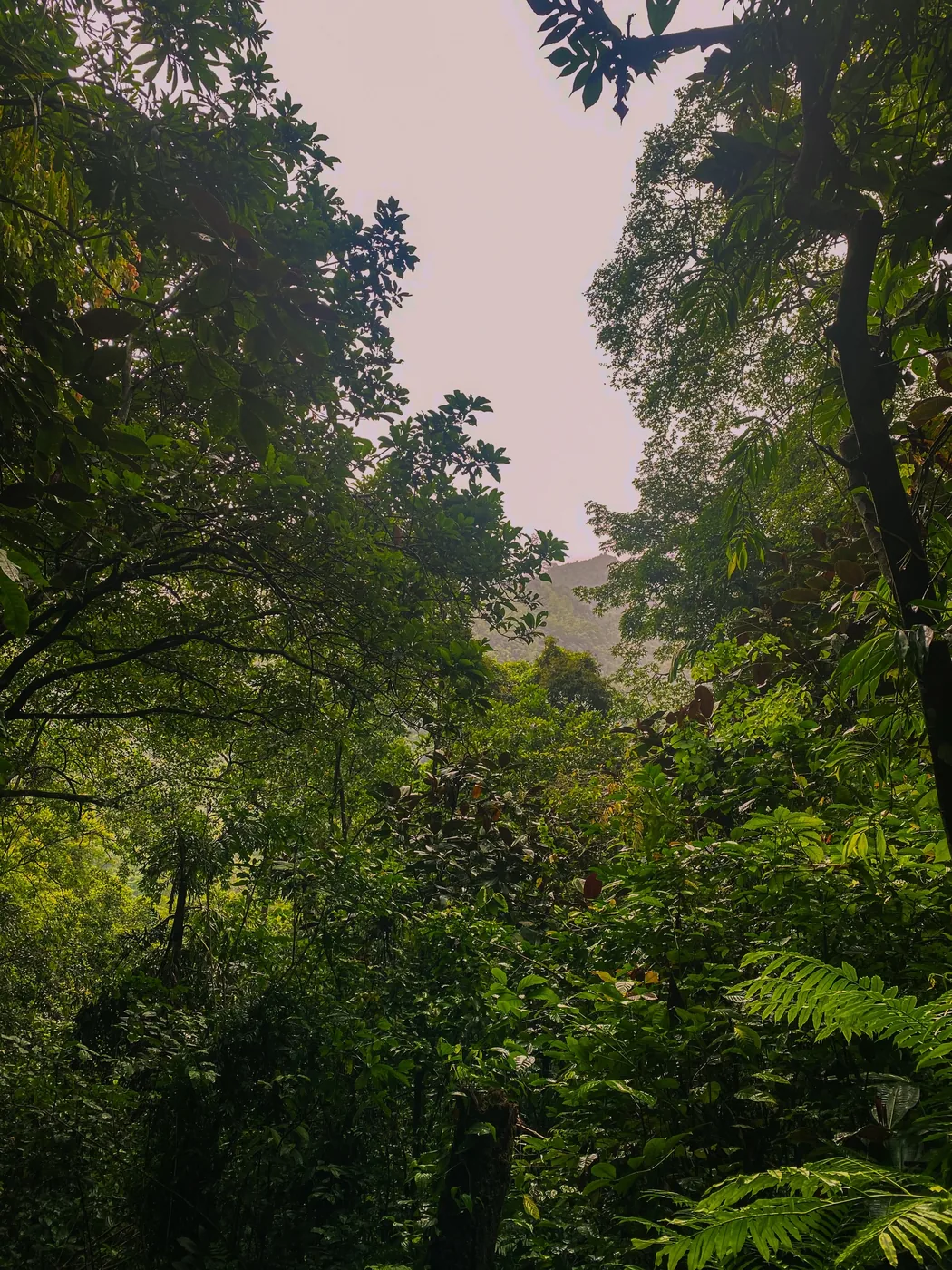
It’s also worth checking out Belilena Cave, just 9 km away. It’s an archaeological site dating back 30,000 years. The Kelani River also flows through the Makandawa Forest Reserve, offering a chance to explore a wide variety of plant and animal species. Over 20 species endemic to Sri Lanka have been recorded in the area, including the Serendib Scops Owl, a species formally described only in 2001 and rarely spotted elsewhere.
End Thoughts
As I mentioned earlier, this is an incredible spot for water sports enthusiasts. I still remember how our group devoured our late lunch like we hadn’t eaten in months. Your guides will treat you to a spread of delicious meals, and don’t forget to ask for some curd and treacle for dessert, since Kitulgala has earned the name thanks to jaggery, which is quite popular in the area, one of Sri Lanka’s sweetest treasures.
So pack your bags, gather your crew, and let Kitulgala do the rest.