
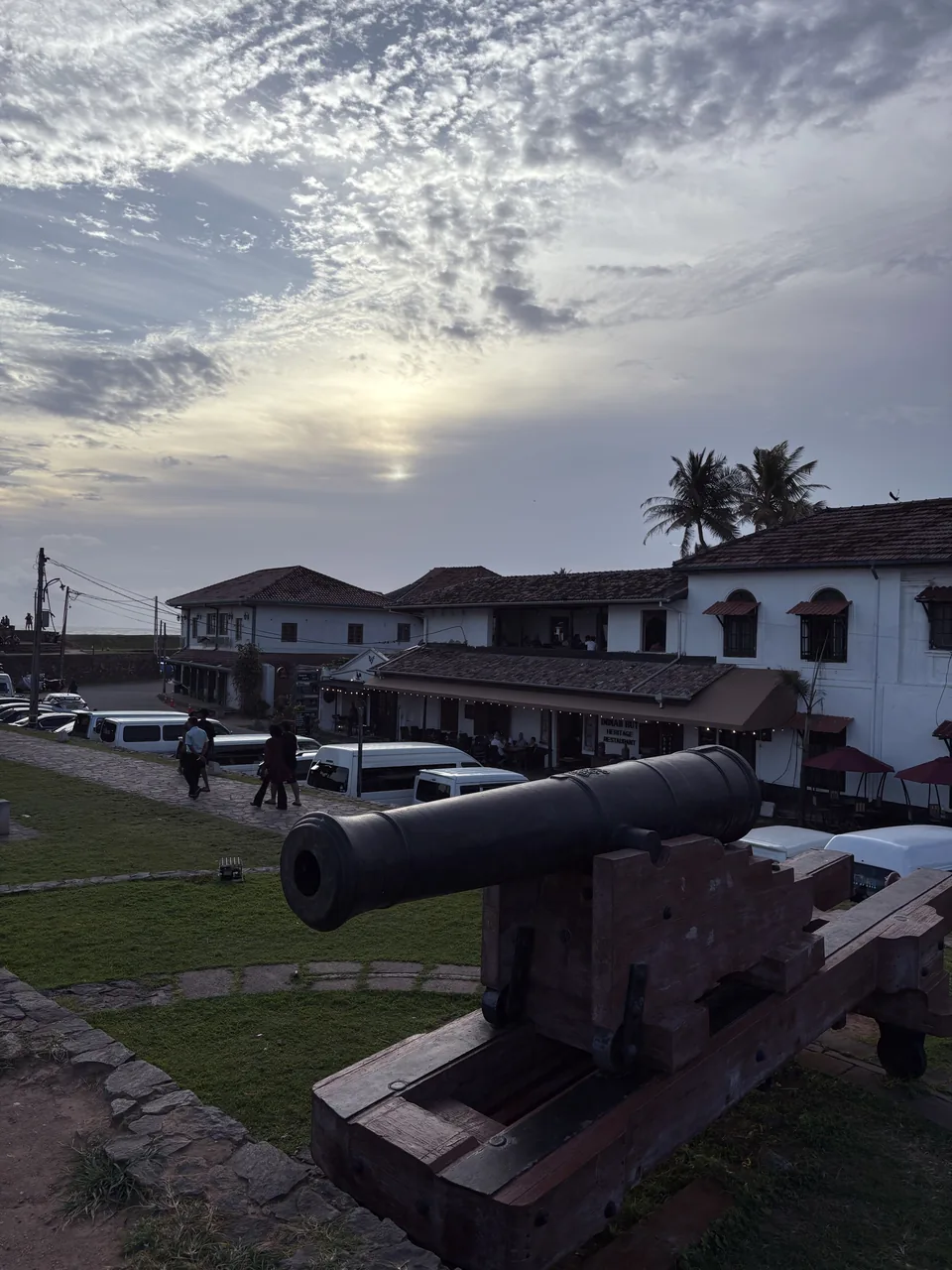
If you ask me why I travel, I say for memories. Memories that live in two places: in the mind and in a thousand photographs. When you’re in Sri Lanka, believe me, you’ll probably snap a quarter of those, right here in Galle Fort. So much charm packed into one single fort, and so many cobblestone lanes to get lost in. I invite you to close your itinerary here, to make Galle Fort your beautiful home run. And what if it’s time travel too? Well, that makes it a double home run. So charge your phones, your cameras, your power banks. We are about to say cheese a zillion times.
Why Galle Fort Is a Must-Visit in Sri Lanka
Galle Fort carries a history older than four centuries. The Portuguese built it, the Dutch expanded and fortified it, the British eventually left, and today it belongs to us. The footsteps of all three colonial powers still echo within these ramparts. The fort is declared a UNESCO World Heritage Site and preserved under its protective acts. Spanning roughly 36 hectares, it has withstood monsoons, cannon fire, and even the 2004 tsunami.
What makes it more special for travelers is that this isn’t a museum frozen in time. People still live and work within its historic streets, all while the ocean crashes just meters away. Add to that a working lighthouse that has guided ships since 1939. The architecture, the people, the culture, everything here tells a story that belongs to no one and everyone at once. It is a mix of it all, and I promise you will find a fragment of yourself somewhere within its boundaries.
Galle Fort 101: Your Guide to Exploring the Fort
Galle Fort might be small enough to cross on foot in twenty minutes, but it holds enough corners, courtyards, and hidden stories to fill an entire day if you let it. My advice as a local? Reserve a full day for this town within a town. In the end, it’s worth every minute.
Walk the Ramparts, Not Just the Streets
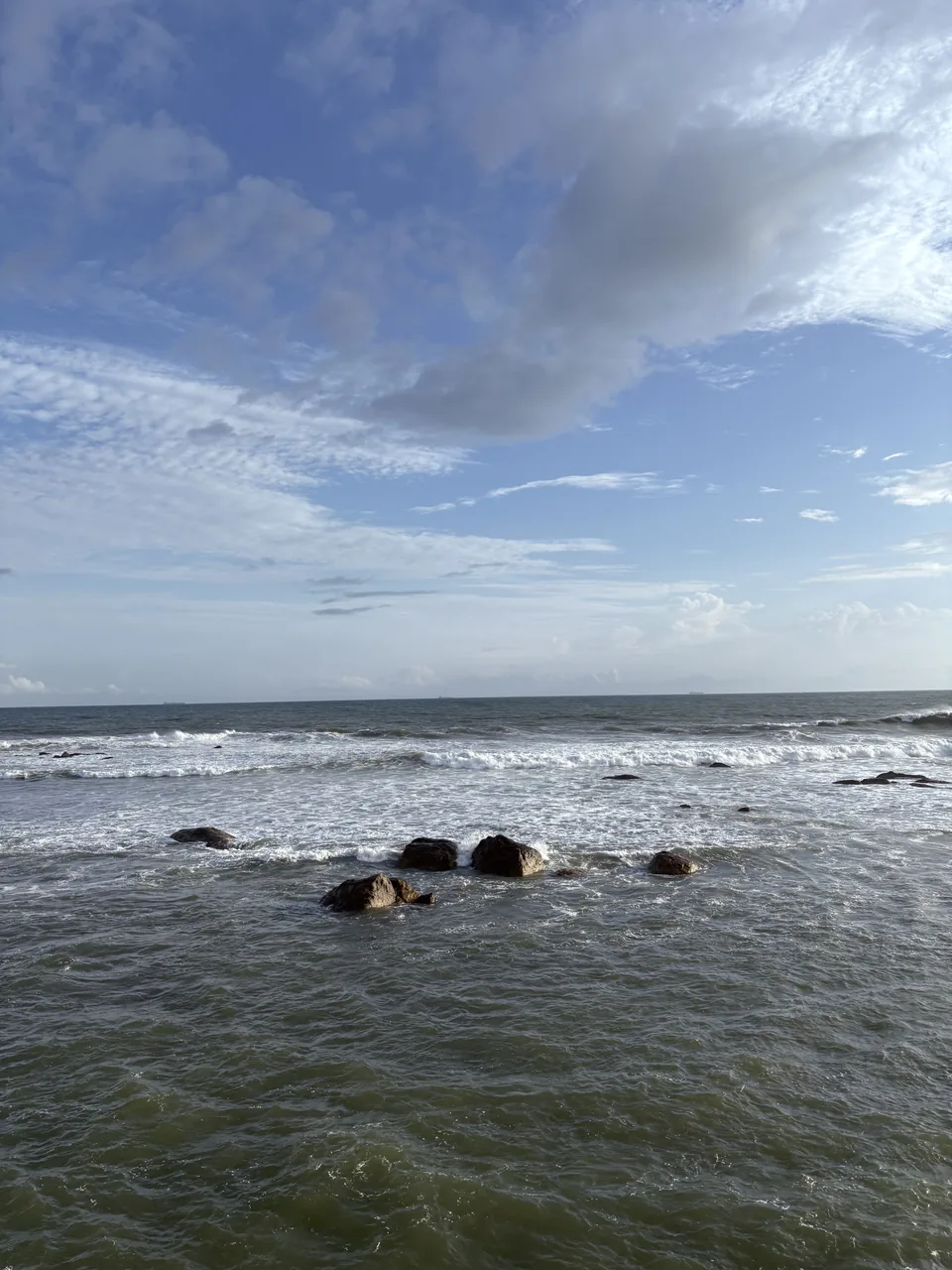
Most visitors step inside, wander down Pedlar Street, snap a photo at the lighthouse, and call it done. But the ramparts are where the real experience lives. Walk along the sea walls beside the Indian Ocean, pass bastion after bastion, and look out toward the harbour to watch local life below you. Galle’s fortification follows the peninsula’s natural curve, an adaptation that UNESCO specifically credits as one of the fort’s defining features. This walk is something most visitors miss entirely.
Architecture Lovers, This One Is for You
Look closely at the buildings inside Galle Fort, and you’ll notice something interesting. These are not European houses that were simply lifted and dropped into Sri Lanka. High ceilings, verandas, overhanging roofs, internal courtyards, narrow streets, thick walls, shaded spaces, every one of these was a deliberate adaptation. So look for the details such as Dutch gables, old rooflines, colonial doorways, and ventilation features built for the heat. Galle Fort’s charm was never about one spectacular monument. It’s an accumulation of a thousand tiny things.
Can You Find All 14 Bastions? The Galle Fort Treasure Hunt
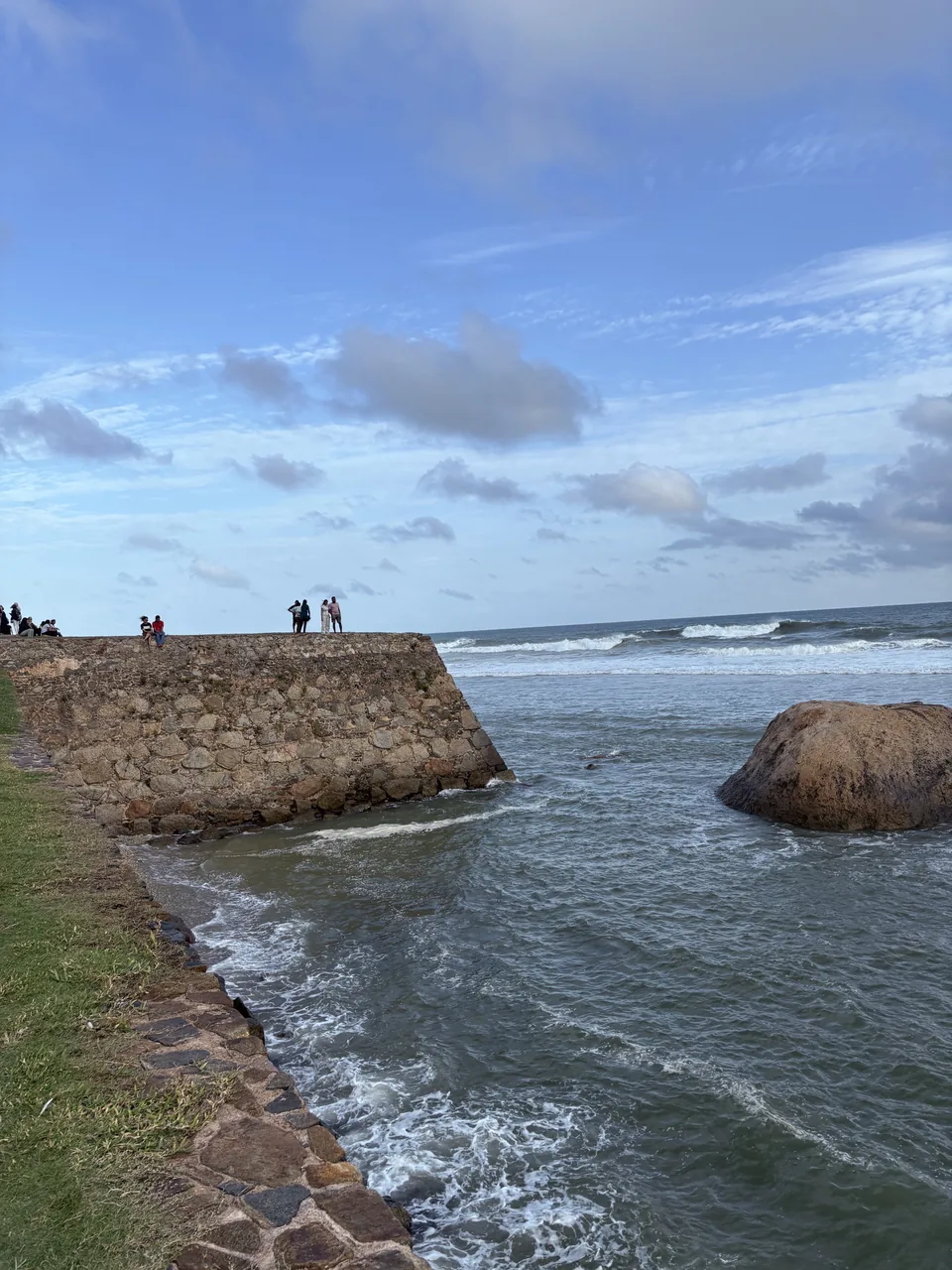
Here’s a secret that turns a simple walk into a game. The ramparts aren’t just one long wall. They’re a string of individually named bastions. Flag Rock, Point Utrecht, Triton, Star, Moon, Sun, Neptune, Aurora, Akersloot, Zwart, the names alone sound like something out of an old sea chart, and each one has its own view. Instead of treating your walk as another item on a sightseeing checklist, make it a treasure hunt. Flag Rock rewards you with one of the best sunset views in the country, while lesser-known bastions like Aurora or Akersloot offer a quieter moment away from the crowds.
The Religious Landmarks You Shouldn’t Miss
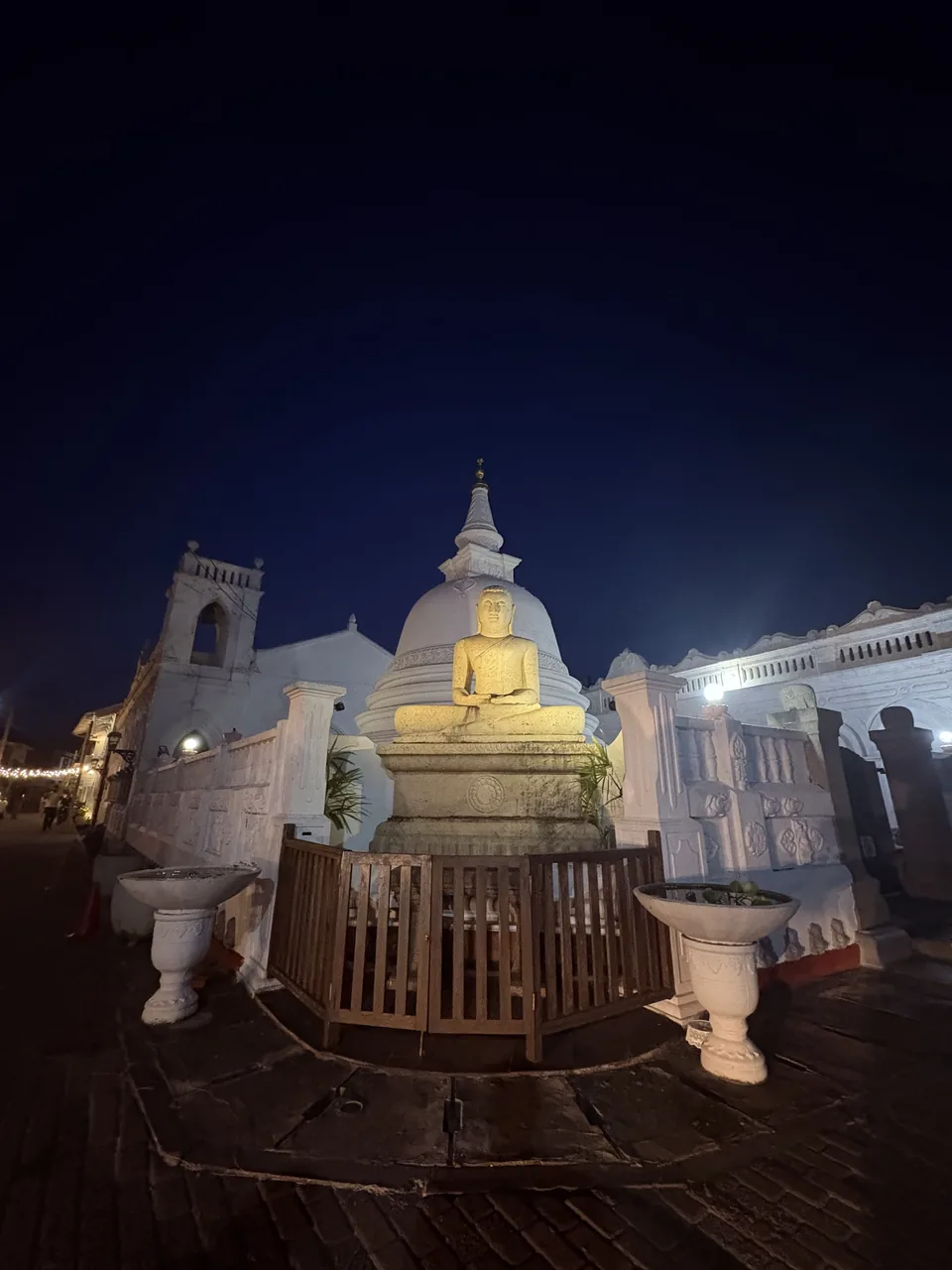
As you wander through the Fort, you can encounter the Dutch Reformed Church, All Saints Anglican Church, mosques, Catholic heritage, and influences of Sri Lanka’s Buddhist culture. These buildings are more than places of worship. They are reminders of Galle’s role as a busy maritime crossroads, where merchants, sailors, settlers and communities from different backgrounds arrived, lived, traded and left their mark. That layered coexistence is still visible today.
The Busiest Streets in Galle Fort
If you want to feel the lively side of Galle Fort, start with its busiest streets. Pedlar Street is the obvious crowd-puller, lined with cafés, restaurants, boutiques, galleries, and beautifully restored old buildings. Church Street comes next, named for the historic churches nearby. It tends to be quieter during the day but picks up as the sun begins to set. Lighthouse Street leads you towards the coast, and most people walk it for that ocean view. Then there’s Leyn Baan Street, once associated with rope-making during the Dutch period and now dotted with galleries, cafés, and charming old buildings. Still busy, but a different kind of busy.
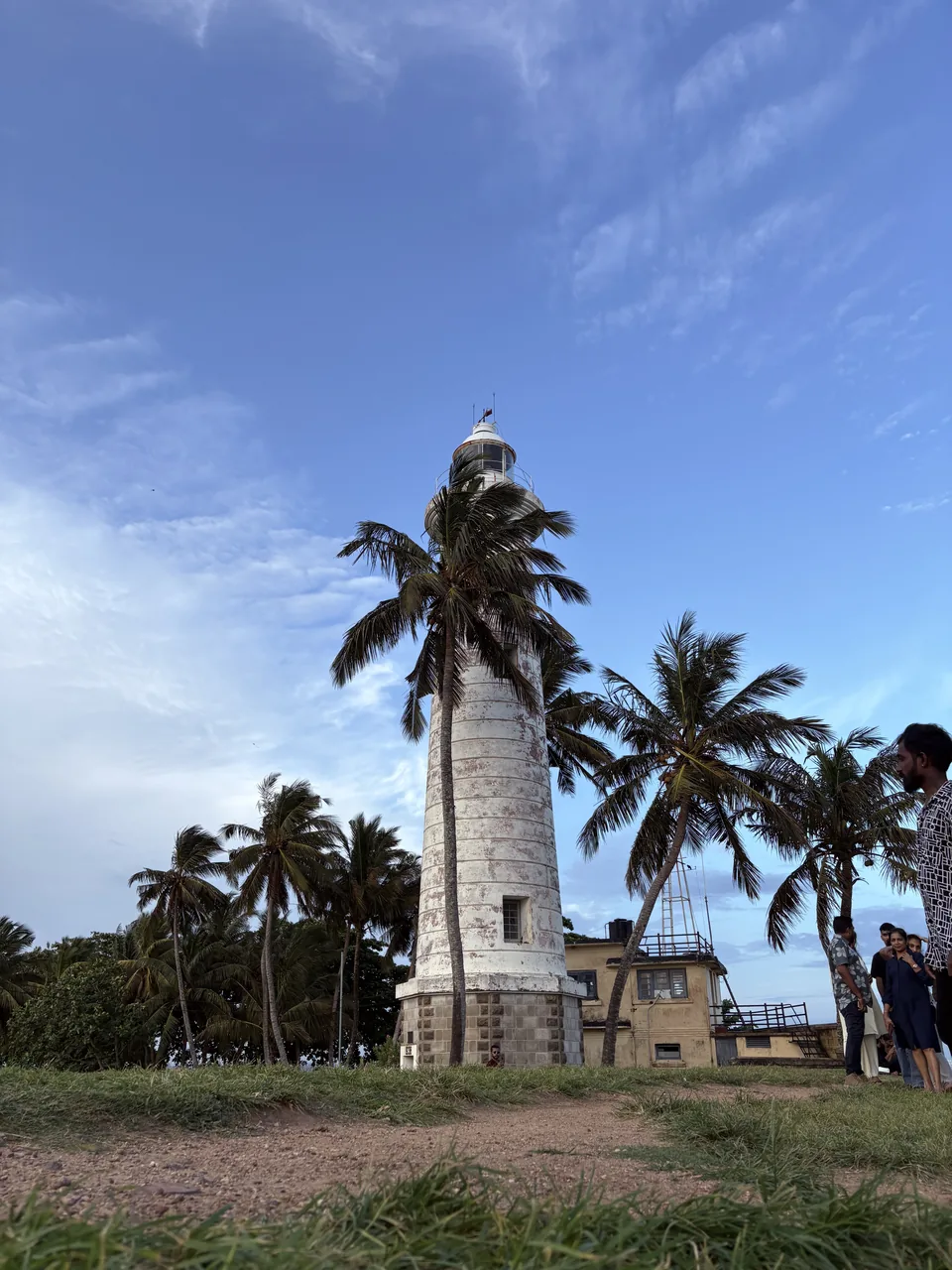
These are the streets most tourists discover first, and for good reason. But here’s my local advice: walk past them. Turn into the next lane, follow a quiet corner, and see where the cobblestones take you. Once you leave the familiar routes behind, Galle Fort starts revealing its quieter courtyards, old doorways, residential homes, and little stories. And that’s where the Fort gets really interesting.
Time Travel Has Museum Stops
Galle Fort is a museum. The whole fort, really. But it also holds smaller museums inside it. The Maritime Museum is one. It tells the story of the sea with shipwrecks, trade routes, and old maps. The National Museum sits inside an old Dutch warehouse. It holds masks, textiles, old photographs, and pieces of everyday life from centuries past. Then there’s the Historical Mansion Museum. It’s a private collection, packed room to room with antiques, coins, and old furniture.
And then there’s the cemetery. A quieter kind of museum with old graves, weathered names, and dates worn smooth by time and salt air. Dutch names mostly. People who came from far away and never left are buried here. Walk through it slowly. Sometimes, one of your ancestors who once chased Ceylon sleeps here now, calmly, for centuries.
History Makes You Hungry
All that walking works up an appetite. Good news, Galle Fort doesn’t disappoint. Bad news, your wallet might.
Most cafés and restaurants inside the fort sit in restored Dutch villas. Beautiful spaces and character in every wall. But that character comes at a price, often double what you’d pay just outside the ramparts. Sri Lankan food, seafood, fusion menus, all dressed up for tourists with the bill to match.
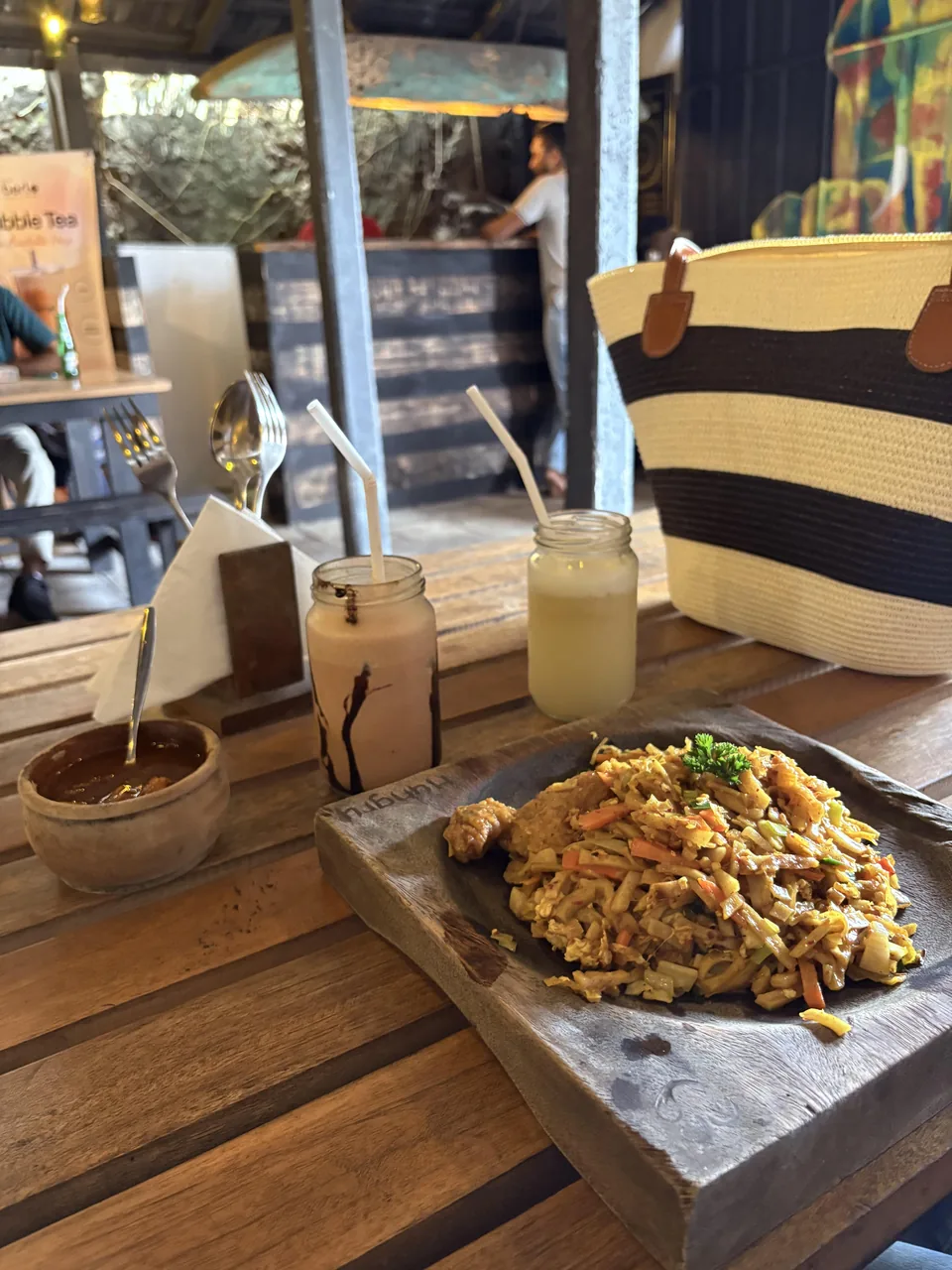
My advice as a local? Eat here once for the experience. The setting alone is worth a meal. But for regular meals, step outside or find a local kiosk tucked away in a cute corner within the Fort walls. And whatever you do, save room for ice cream. Isle of Gelato and Pedlar’s Inn Gelato are popular stops for a cold, sweet break between your walks. The real bonus is that almost every food stop can double as a photo stop.
Want a Souvenir? Start Here
Galle Fort isn’t a mall, but it shops like one. Here’s where to start looking.
- Barefoot Galle – Sri Lankan textiles, quirky homeware, books – $$
- Laksala Galle – Government-run craft shop with Batik, masks, and wood carvings – $
- Stick No Bills – Vintage-style travel posters and prints, great wall art souvenirs. – $$
- Historical Mansion Gift Shop – Antiques, old coins, and curiosities- $$$
- Olanda – Boutique home decor and gifts in a restored Dutch house – $$$
- Elephant Walk – Handmade leather goods, bags, journals, sandals.- $$
- Local lace makers (roadside stalls) – Traditional Galle lace, handmade by local women, genuine and rare.- $
- Spice and gem stalls near the ramparts – Ceylon cinnamon, tea, small gemstones. Bargain as a local. – $ to $$$
Quick tip: prices inside the fort run higher across the board. If it’s not handmade or rare, you’ll likely find it cheaper just outside the walls.
Meet the Luxe
If you want to splurge, Galle Fort knows how to spoil you. But here you’re paying for the privilege of experiencing Galle’s history in style.
- Amangalla – A former Dutch governor’s residence turned iconic Aman hotel. – $$$
- Fort Bazaar – Boutique colonial elegance with a serious design pedigree, quiet courtyards, refined rooms. – $$$
- The Fort Printers – A restored 18th-century mansion, once a printing press, now an intimate luxury boutique stay.- $$$
- Galle Fort Hotel – A 12-suite boutique hotel inside the fort walls, understated luxury with history baked in. – $$$
- Taru Villas – A colonial villa steps from the lighthouse, pool and rampart views included. – $$
- The Postcard Galle – Luxury boutique property near a serene lagoon – $$$
Titbits of Galle Fort
Beyond the history and the ramparts, Galle Fort has its little secrets too. For starters, the oldest breadfruit tree in Sri Lanka is still in the Fort as a quiet survivor of many things. Now, for a little gossip. Speaking of famous names, cricket fans might recognize No. 77, Leyn Baan Street, a boutique hotel owned by none other than handsome Kumar Sangakkara. And if you wander around the Fort’s famous banyan tree, don’t be surprised to find it doubling as a natural photography studio. Wedding couples regularly come here for their shoots, and you may catch beautiful brides in traditional sarees. It’s become such a tradition that locals joke the banyan tree has seen more weddings than the churches around it.
Commute to Galle Fort
Getting here is part of the experience, so here’s how to make the journey as smooth as the destination.
By Highway
The fastest way in is via the Southern Expressway (E01), connecting Colombo to Galle in roughly two hours. The bus takes you to Galle Bus Stand, just a few steps away from Galle Fort.
By Normal Road
Prefer the scenic route? The coastal A2 highway hugs the shoreline nearly the entire way from Colombo to Galle. It takes longer, around three to four hours depending on traffic, but you’ll pass fishing villages, beach towns, and ocean views the whole drive down. A slower journey, but a beautiful one.
By Train
For many, this is the best and the cheapest way to arrive. The coastal railway line runs from Colombo Fort Station straight down to Galle, hugging the coastline for most of the ride. Grab a window seat, or better yet, stand by the open door if you dare, and watch the ocean roll by for nearly the entire two and a half hour journey. Galle Railway Station sits just a short walk from the fort entrance, making this both the most scenic and most convenient option for many travelers.
Bye-Bye, Galle Fort
And just like that, it’s time to say goodbye to Galle Fort Travel Guide. It doesn’t ask for much. Just a day, a pair of comfortable shoes, and a little curiosity are more than enough. Walk its walls, get lost in its lanes, and say cheese more times than you can count.