Disclosure: This article contains affiliate links to tours, tickets and other Sri Lanka travel services. If you book through one of them, we may earn a small commission at no extra cost to you. It never changes what we recommend.
Sri Lanka was colonized by three different powers, and each one came for a reason. Gems, elephants, cinnamon, and geography sat at the top of that list. Among all these riches, elephants became a mark of prestige and nobility in the island’s identity. Pinnawala Elephant Orphanage shelters wounded and orphaned elephants. It also holds the title of the largest herd of captive elephants in the world. If you dream of visiting Sri Lanka and spending a day among these behemoths, this article covers everything from planning your visit and all the whatnots to becoming a certified elephant volunteer.
If you’d rather not arrange transport yourself, a day tour from Kandy that includes the elephant orphanage is a convenient option.
The Saga of the Pinnawala Orphanage
The Elephant Orphanage’s history dates back to 1975, when Sri Lanka’s Department of Wildlife Conservation established it. Its first mission was to aid victimized, injured, and helpless elephants. Wilpattu National Park served as the starting location, and later the orphanage moved to the National Holiday Resort at Bentota Beach. From there, authorities shifted it to Dehiwala Zoo before it finally found its home in Pinnawala. Over the years, the orphanage’s goals have expanded beyond rescue and care to breeding and raising elephants. Despite being wild creatures by nature, the elephants here exhibit friendly, cute, and domestic characteristics.
The Elephants of Pinnawala: From Five to a Growing Herd
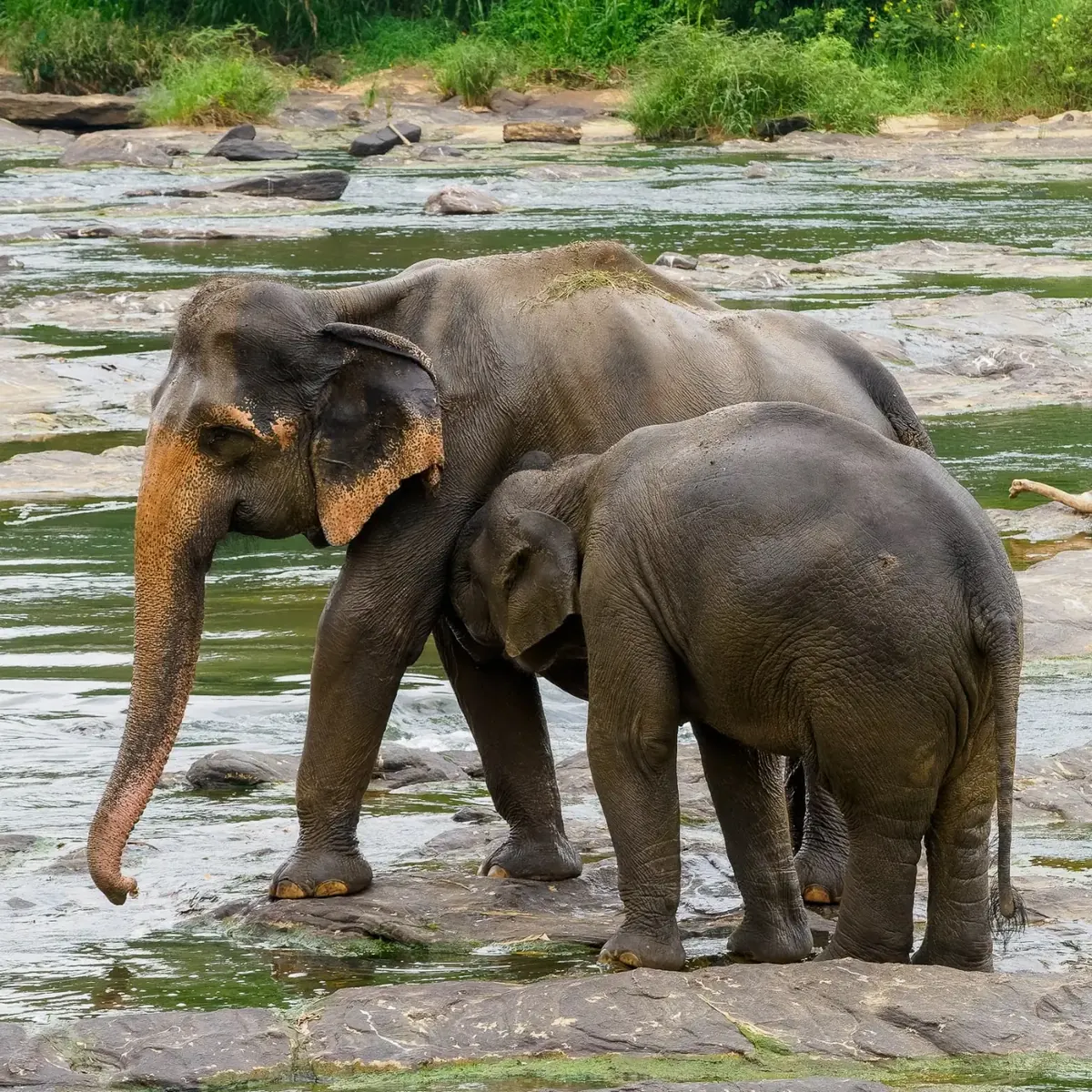
When tame elephants roam freely in herds, that’s a sight worth chasing. Get the chance to feed them, pet them, share a bath, or rub their backs, and the thrill doubles. Today, this place is home to 28 male elephants and 40 females. Forty-eight mahouts dedicate themselves to serving these massive creatures.
It all started with five elephants, and surprisingly, three of the originals still walk these grounds. The orphanage has already passed through three generations. Kumari, one of the five founding members, is the oldest of the herd and holds another title as the first elephant mother of Pinnawala. Mathalee, the matriarch and team leader, is another founding member. Sumana is becoming a superstar with his magnificent tusks. Another highlight worth mentioning is the story of twin elephants, Disa and Anjana, born in 2021. It marked the first recorded twin birth in Sri Lanka in nearly 80 years.
Daily Schedule and Bathing Times
Pinnawala elephants have a better schedule than you do, my friends. Let me share the timetable so you’ll know where to be at what time, without missing a thing during the day.
- 07.00 hours: Roam freely
- 08.30 hours: Open to visitors, 365 days a year
- 10.00 hours: Leave for Maha Oya, first batch
- 12.00 hours: Return to the sheds
- 14.00 hours: Leave for Maha Oya, second batch
- 16.00 hours: Return to the sheds
- 17.00 hours: Ticket counters close
- 18.00 hours: Closed to the public
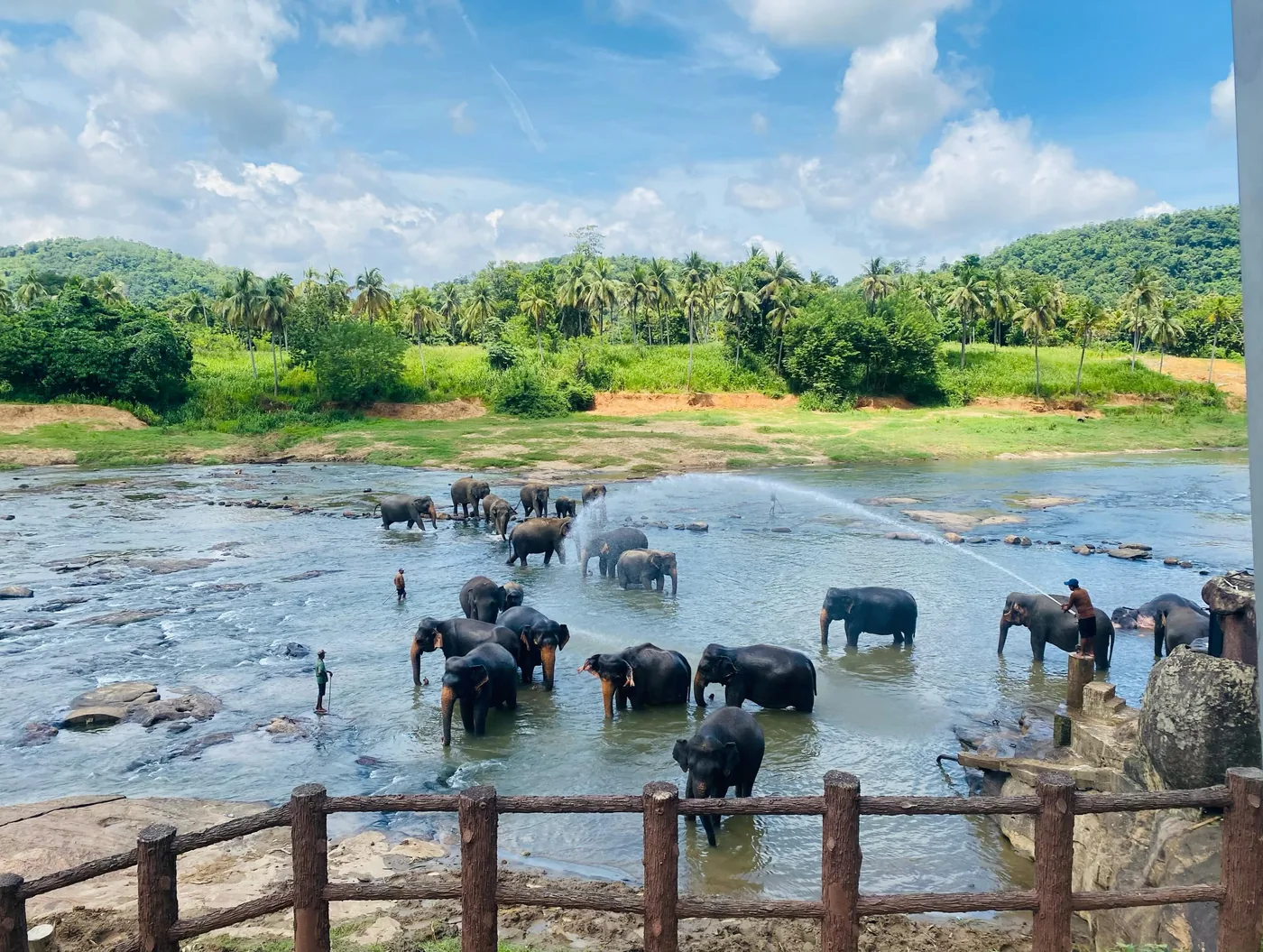
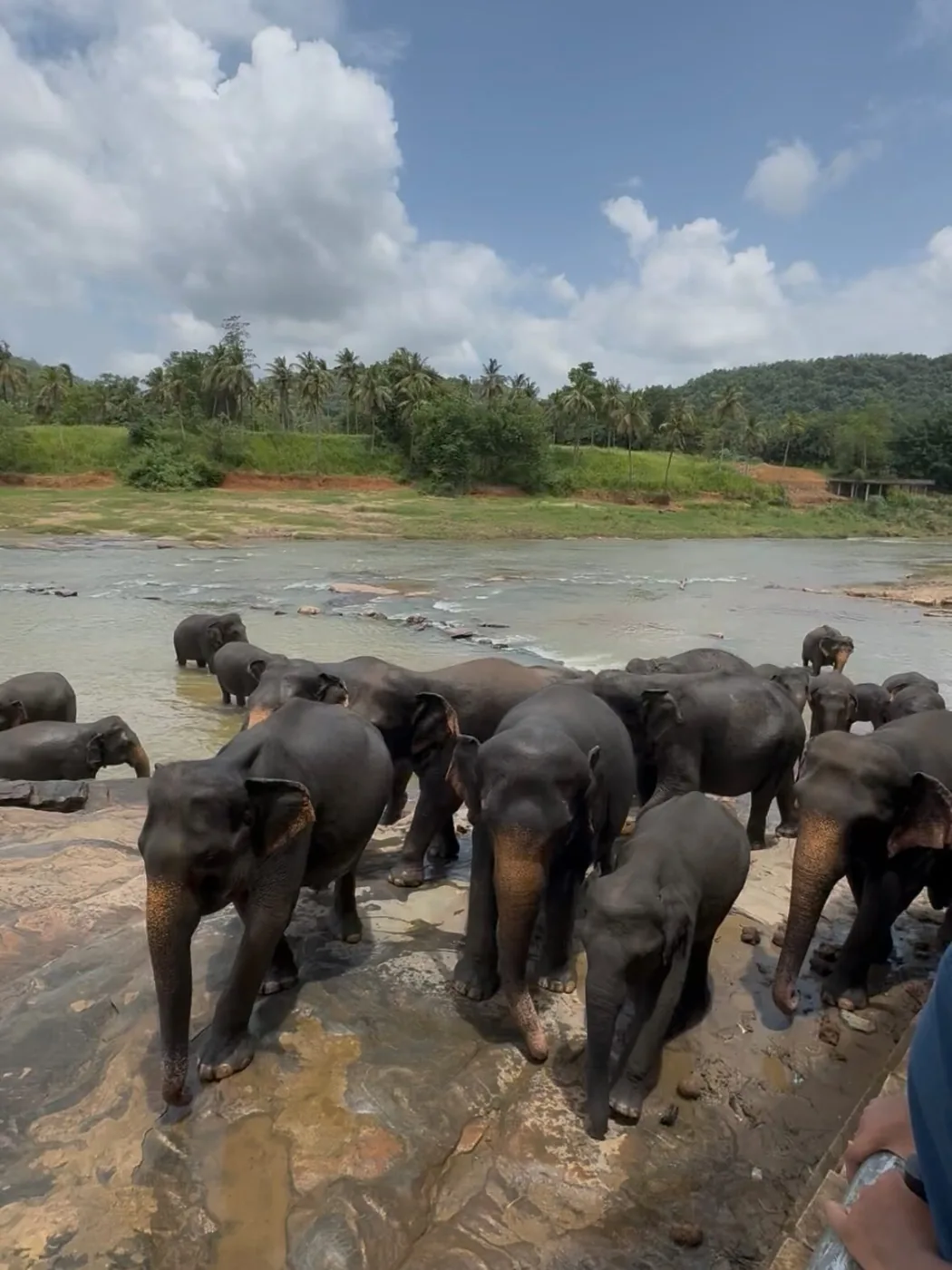
Elephants walk in a parade to the Ma Oya River for bathing, moving in the opposite direction from the orphanage. The session happens twice a day, splitting the herd into two groups. Surprisingly, they know their time and wait eagerly for their turn. Don’t miss this once-in-a-lifetime chance for anything. Follow them to Maha Oya while window shopping the local craftsmanship, or doing some actual shopping along the way. Then let your eyes witness these gentle creatures from the observation decks near the river, join the party yourself, and get a free shower.
Things to Do at Pinnawala Elephant Orphanage
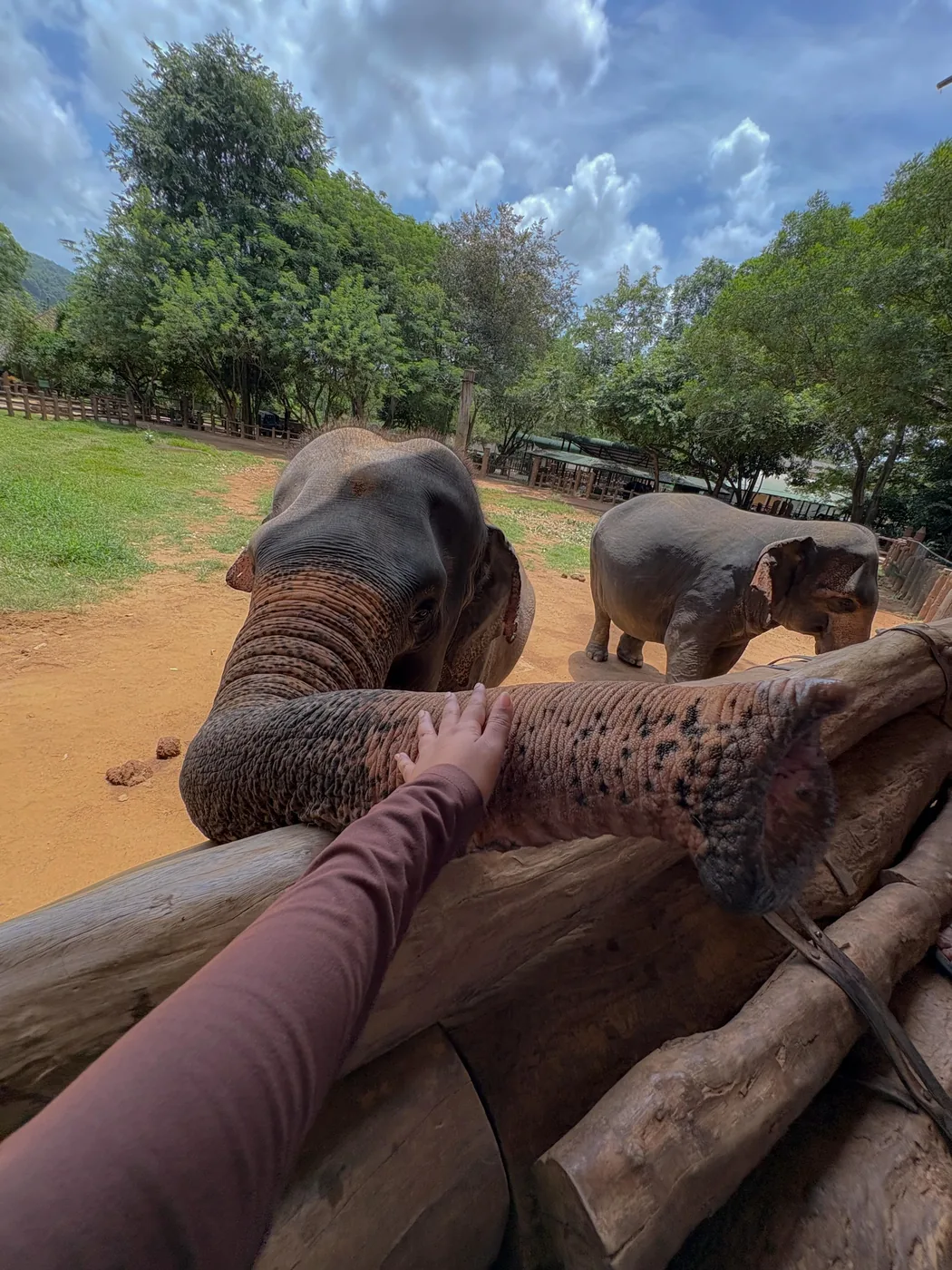
You can treat the elephants to fruit between 9.15 a.m. and 12 p.m., and buy it from the orphanage at a reasonable price. Plantains and watermelon are all-time favorites, so expect trunks extended your way.
Beyond that, a guided tour can take you around the orphanage to visit the sheds and observe elephant behavior up close. On the way, don’t forget the museum and information center, where interesting facts about these magnificent creatures await. Some giant bone parts are included on display there, for a closer look. The most popular activity here, though, is snapping photographs with the elephants. Do so, and I’m sure those pictures will top your gallery for a long time.
A few years back, visitors could bottle-feed the unweaned orphaned calves, a genuinely sweet moment at Pinnawala. These days, bottle-feeding isn’t offered, since the resident babies already have their mothers close by.
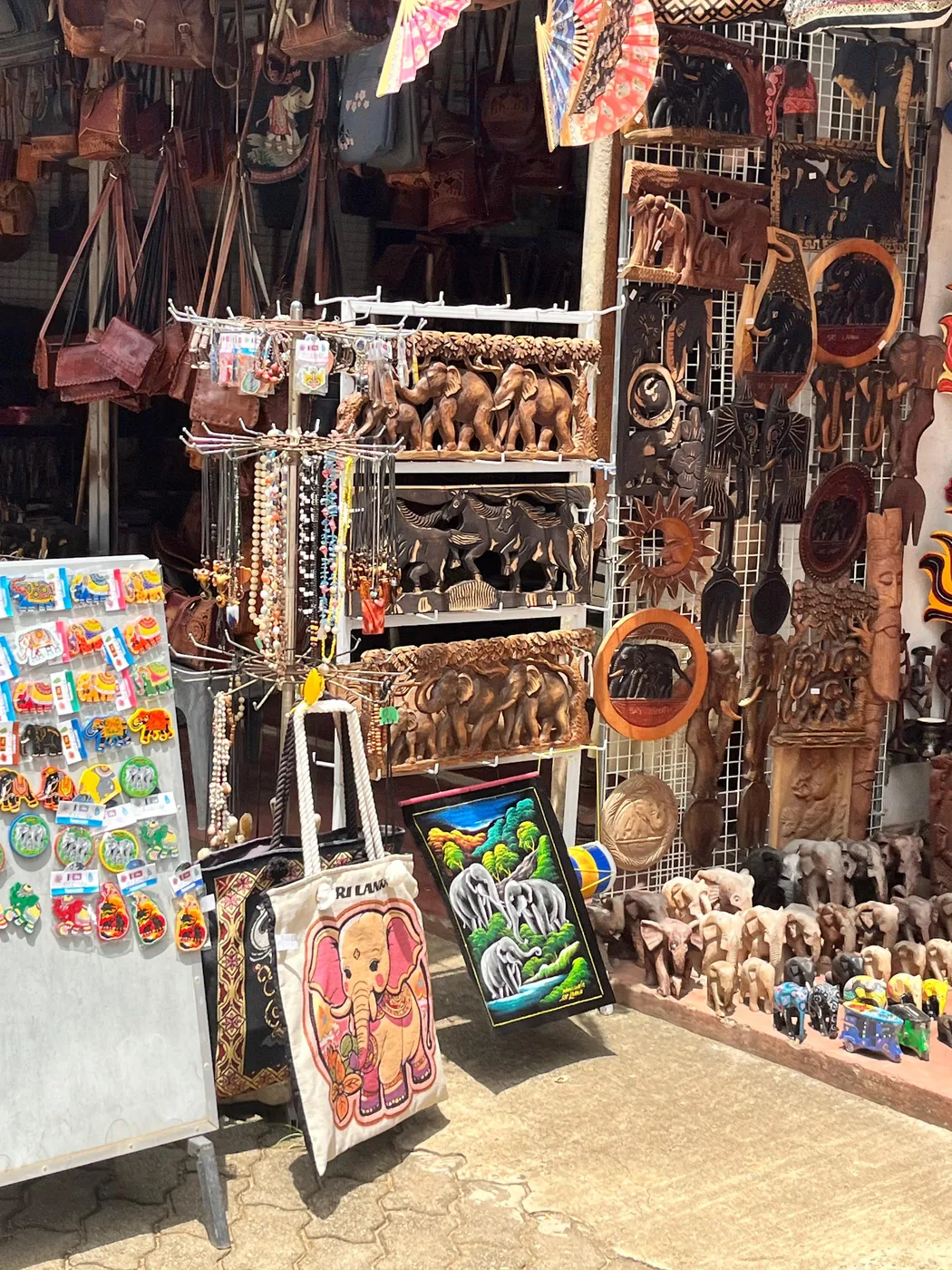
Moreover, there’s a souvenir shop, Laksala, right on the premises. Buy a small version of a giant to remind you of Sri Lanka, something worth keeping for years to come.
How Pinnawala Takes Care of Its Elephants
Even these elephants have to be chained. But for their welfare, the chains are changed every two days. If an elephant is diagnosed with a contagious disease, it’s separated from the herd. Their lifespan runs up to 60 or 70 years, and they’re known for their remarkable memory.
Naturally, one elephant drinks well over 100 liters of water daily. As I have seen, mahouts feed elephants based on their body weight, with an average diet of 75 kg of vegetation. The 25 acres of coconut land, along with the nearby Maha Oya, fulfill their needs. The diet also varies, since the same feed isn’t given every day.
When elephants grow old and can no longer chew heavy branches, mahouts cut them into smaller pieces, and vets provide vitamins to support them. Two vets are on duty at Pinnawala. During musth, male elephants are chained separately due to aggressive behavior. It’s said to last three to four months and occur twice a year. Authorities have also organized various activities to enhance the elephants’ active lifestyles and relieve stress. Hang on! There’s a way for you to check on them by yourself and see that all is well.
How to Volunteer at Pinnawala Elephant Orphanage
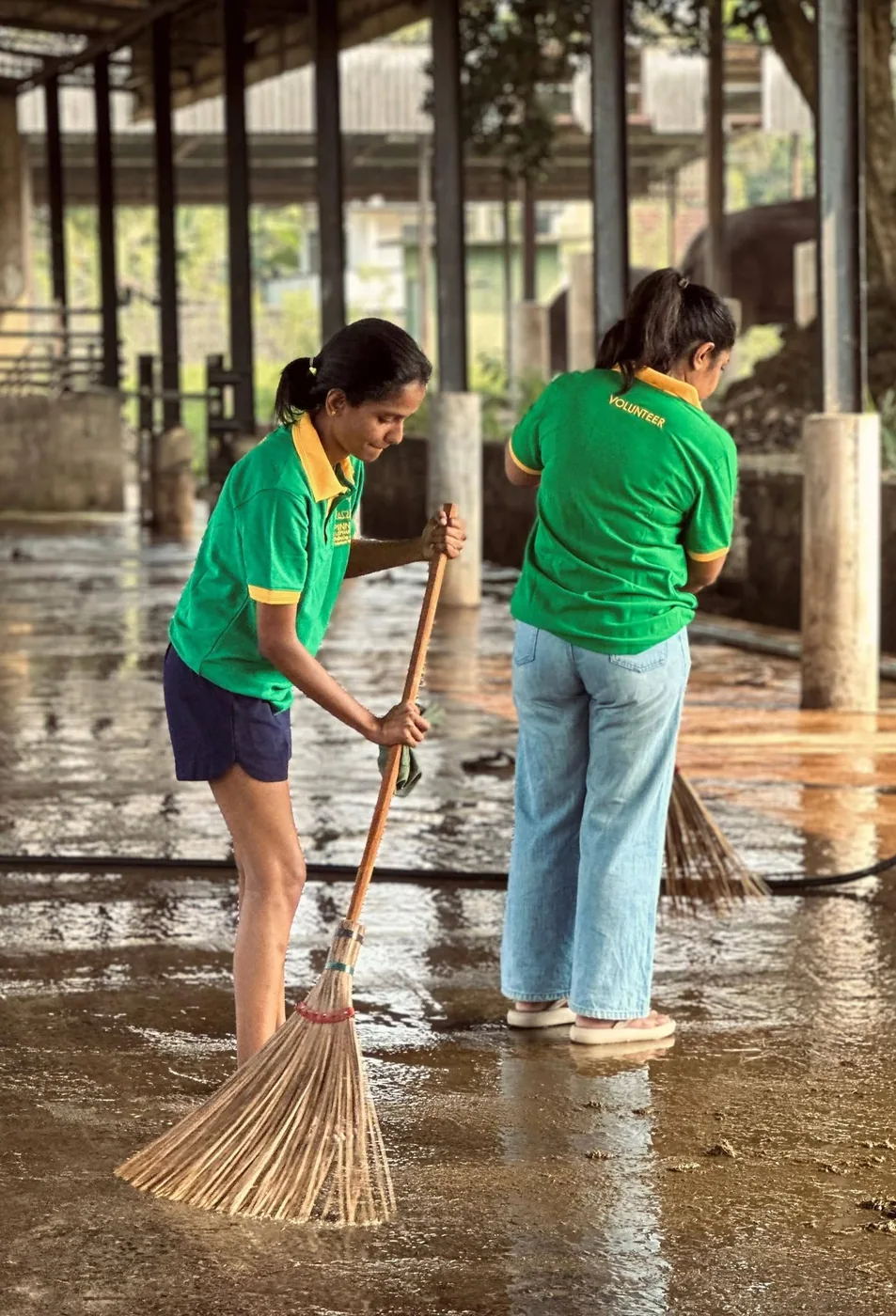
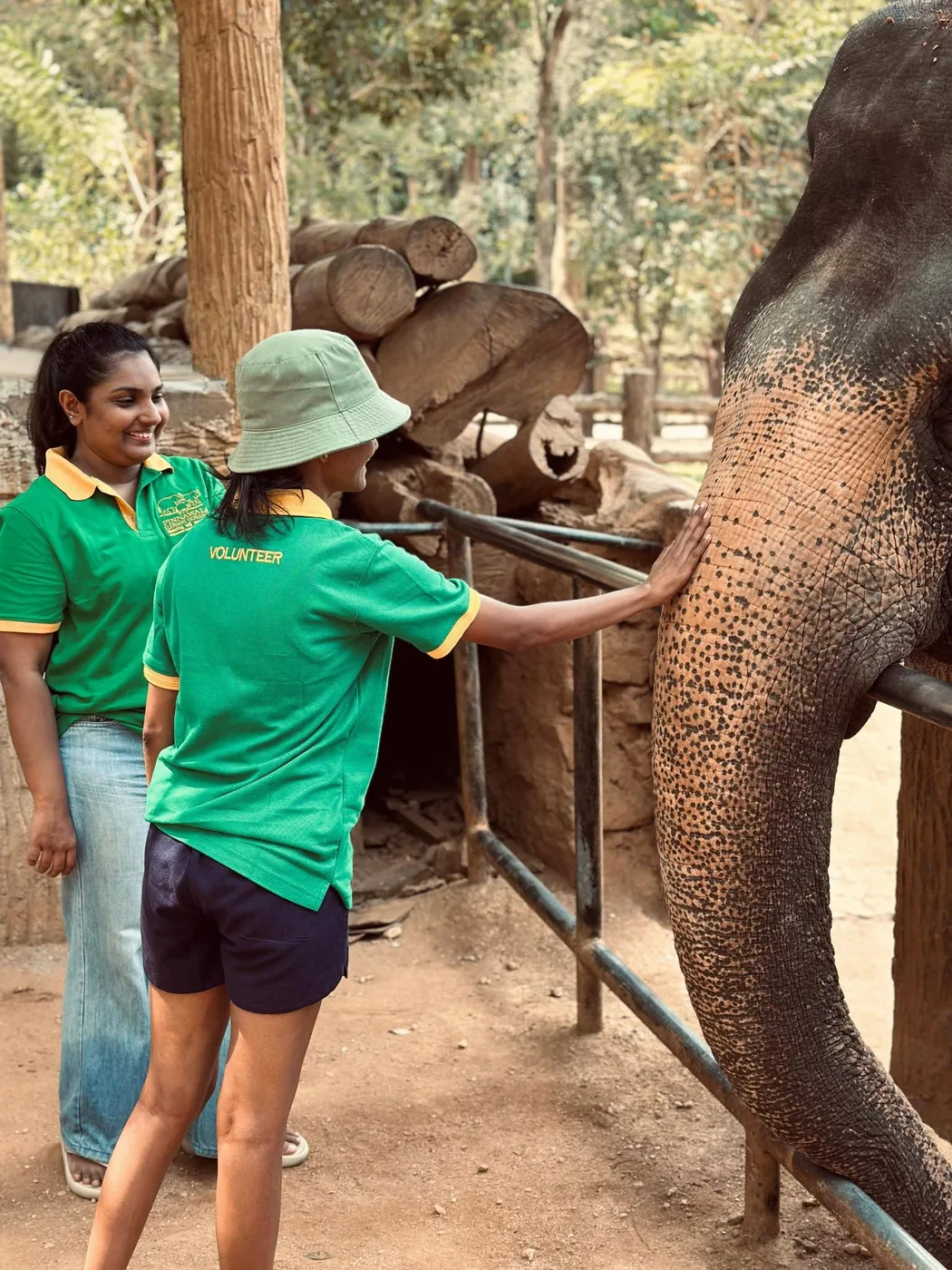
If you’re interested in volunteering, contact Pinnawala Orphanage to join their programs. Staff will issue you a volunteer pass, granting access to areas the general public can’t reach. No qualifications or training are required, just compassion, good health, and a genuine love for animals. You can stay for a day, days, weeks, or months, depending on what suits you.
Shared hostel facilities are available, and three meals a day from nearby local outlets are included in the package. The price details are mentioned below. Most importantly, once you complete your volunteering stint, you’ll receive a certificate for your effort.
Contact Pinnawala at +94 35 226 6116 and +94 35 226 6282. Lines are generally responsive, so don’t hesitate to call ahead.
Pinnawala Price List
Prices vary depending on whether you’re from a SAARC country, a non-SAARC country, or a local resident. To make things easier, I’ve arranged the price list in a table below.
| Type of Ticket | Category | Age Group | Ticket Price |
|---|---|---|---|
| Entrance | SAARC | 12 years and above | 11.8 USD |
| SAARC | 3–12 years | 5.9 USD | |
| Non-SAARC | 12 years and above | 17.7 USD | |
| Non-SAARC | 3–12 years | 8.85 USD | |
| Local | 12 years and above | 295 LKR | |
| Local | 3–12 years | 125 LKR | |
| Entrance | All infants and toddlers | — | Free of charge |
| Fruit-Feeding | Local and foreign travelers | 9.00 a.m.–1.45 p.m. | 1.78 USD (valid for one fruit basket) |
| Jumbo Bathing Event | Local and foreign | 10 a.m. and 2 p.m. | 2.67 USD |
| Volunteering | Foreign | — | 29.5 USD per day, plus a one-time registration fee of 20 USD |
| Volunteering | Local | — | 1740.50 LKR |
How to Get to Pinnawala by Bus and Train
By bus
It’s a 2–3 hour journey from Colombo to Pinnawala, and about 1.5 hours from Kandy. Start on the Colombo–Kandy A1 route, and after passing Kegalle, get down at Karandupana Junction, roughly 85 km along the way. From there, catch a bus heading to Rambukkana, or hop in a tuk-tuk for the remaining 5 km to the destination.
By train
If you take the train, the closest railway station is Rambukkana, just 2 km from your destination. From the station, you can hop on a tuk-tuk or catch a bus heading toward Kegalle. Either way, you’ll be dropped off right in front of the orphanage.
What to Explore Nearby
Pinnawala Open Zoo is close by, and combined tickets are available if you’d like to visit both. It’s worth adding on only if you have extra time; I wouldn’t recommend it as a major destination or a must-visit on its own. The zoo runs several special events, including crocodile feeding, bird feeding, leopard feeding, and photo sessions with reptiles.
Outside, there’s a Hela Bojun outlet serving delicious, traditional, and healthy vegetarian Sri Lankan food and sweet meats. Let your sweet tooth win, and lend a hand to the rural women behind it.
Pinnawala Elephants in Sri Lankan Culture
As you may already know, Sri Lanka is often called Buddha’s country. The majority of the population practices Buddhism, and within it, the Tooth Relic of Lord Buddha stands as one of the faith’s most sacred symbols. A chosen tusker carries this relic during the annual public procession, the Kandy Esala Perahera. Some other tusker elephants also participate in this honor, and from the orphanage, two proudly take part in the Kandy Procession. Alongside them, five other elephants from Pinnawala join various processions held across the country.
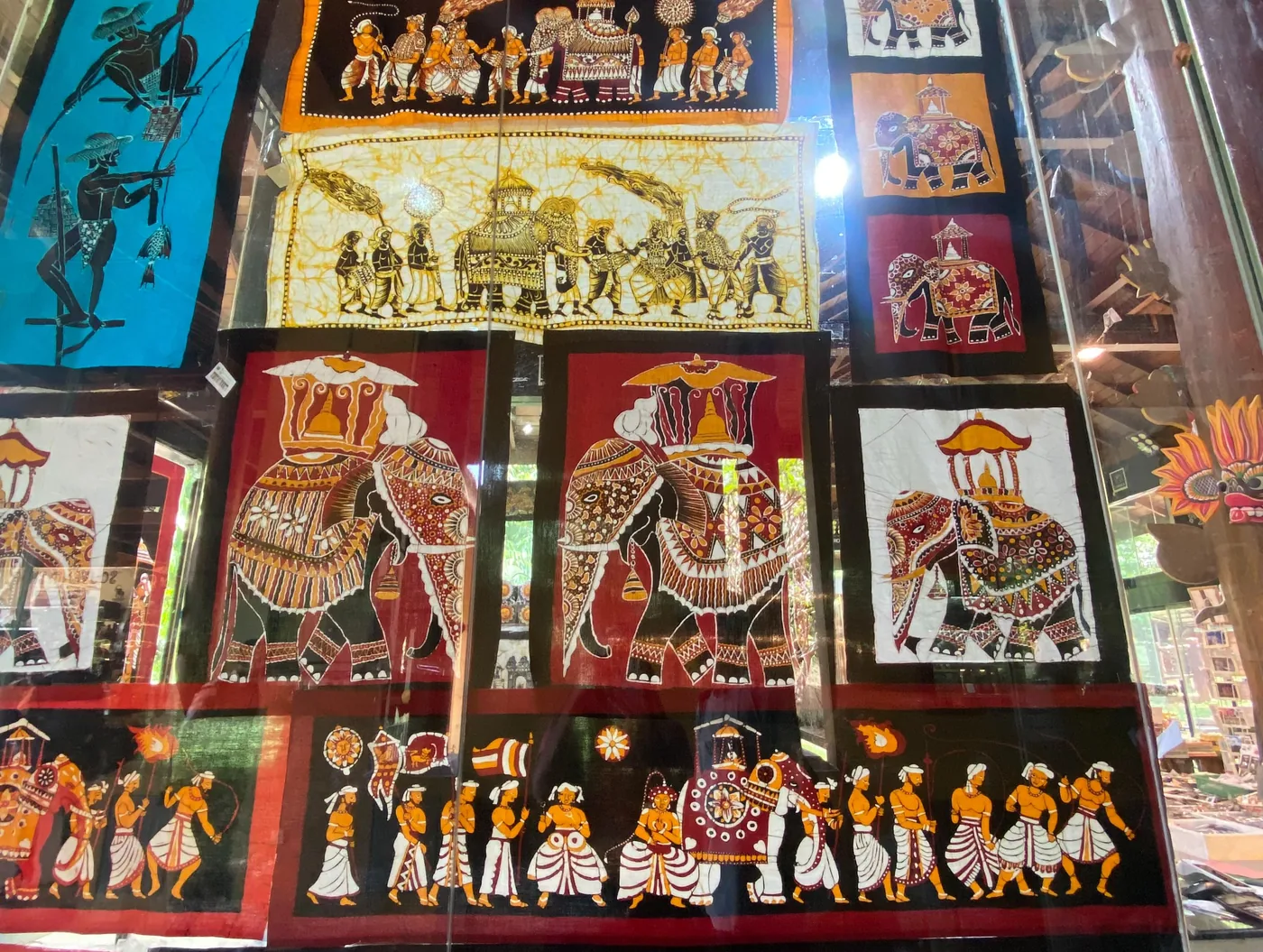
It’s great to witness their pride as they’re adorned in dazzling attire, moving in rhythm to the beat of traditional drums. Elephants always hold a significant place in Sri Lankan culture and are treated with deep reverence and majesty.