Disclosure: This article contains affiliate links to tours, tickets and other Sri Lanka travel services. If you book through one of them, we may earn a small commission at no extra cost to you. It never changes what we recommend.
When you think about Colombo, you possibly think of busy roads, old colonial buildings, cafés, and shopping malls. Wetlands probably aren’t the first thing that comes to mind. And no one talks much about the Wetlands in Colombo, since many stay in Colombo for a shorter period before heading South or North. I have written about those main attractions if you have 24 hours in Colombo. But if you have a couple more nights in Colombo, the wetlands are also worth visiting.
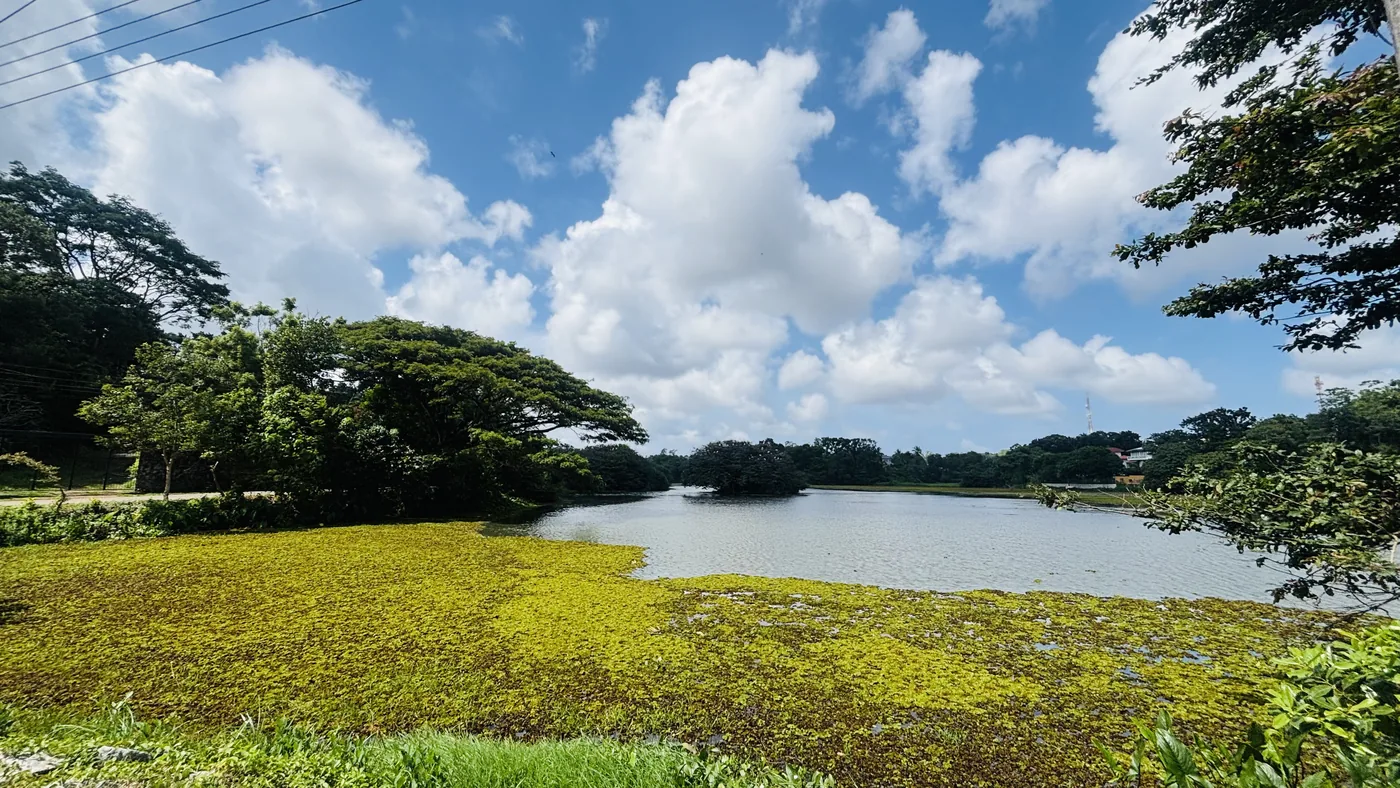
One of the things I like about Colombo is that you don’t have to go very far to get away from the noise. Pockets of marshland, lakes, canals, and thick greenery are layered around the city and its suburbs. Some are surprisingly close to busy roads. One minute you are sitting in traffic, and a few minutes later you are watching a bird from the edge of a wetland;
If you enjoy spending time in nature, love nature photography, enjoy walking, or simply want to do something a little different in Colombo, spending a morning around one of the city’s wetlands is worth your attention. The good thing is that you don’t need to be a knowledgeable birdwatcher either. These wetlands have walking paths, and some of the information boards are really helpful for bird lovers.
Why Are There Wetlands in the Middle of a City like Colombo?
It might seem strange to find large areas of swamp around a busy capital city, but Colombo has always had a close relationship with water. It’s on the coast, but there is a lake in central Colombo. The city and its neighbouring areas also contain lakes, canals, marshes and low-lying land. These wetlands are part of a bigger natural drainage system and help hold rainwater during heavy rainfall. This is especially important in Colombo, where flooding has become a constant problem during heavy rain. If you look at a satellite map in the Colombo area, you’ll see how these wetlands are connected. You’ll see many wetland parks listed on the map, but I have only picked the ones that are good to go; there have been a few development projects around these wetlands with jogging tracks, so some of these wetland parks are more like city parks with less nature.
They are also home to a shocking amount of wildlife. I’m not sure if you have heard of the crocodiles in the lake near Parliament, and, surprisingly, there are fishing cats and otters in these wetlands in Colombo.
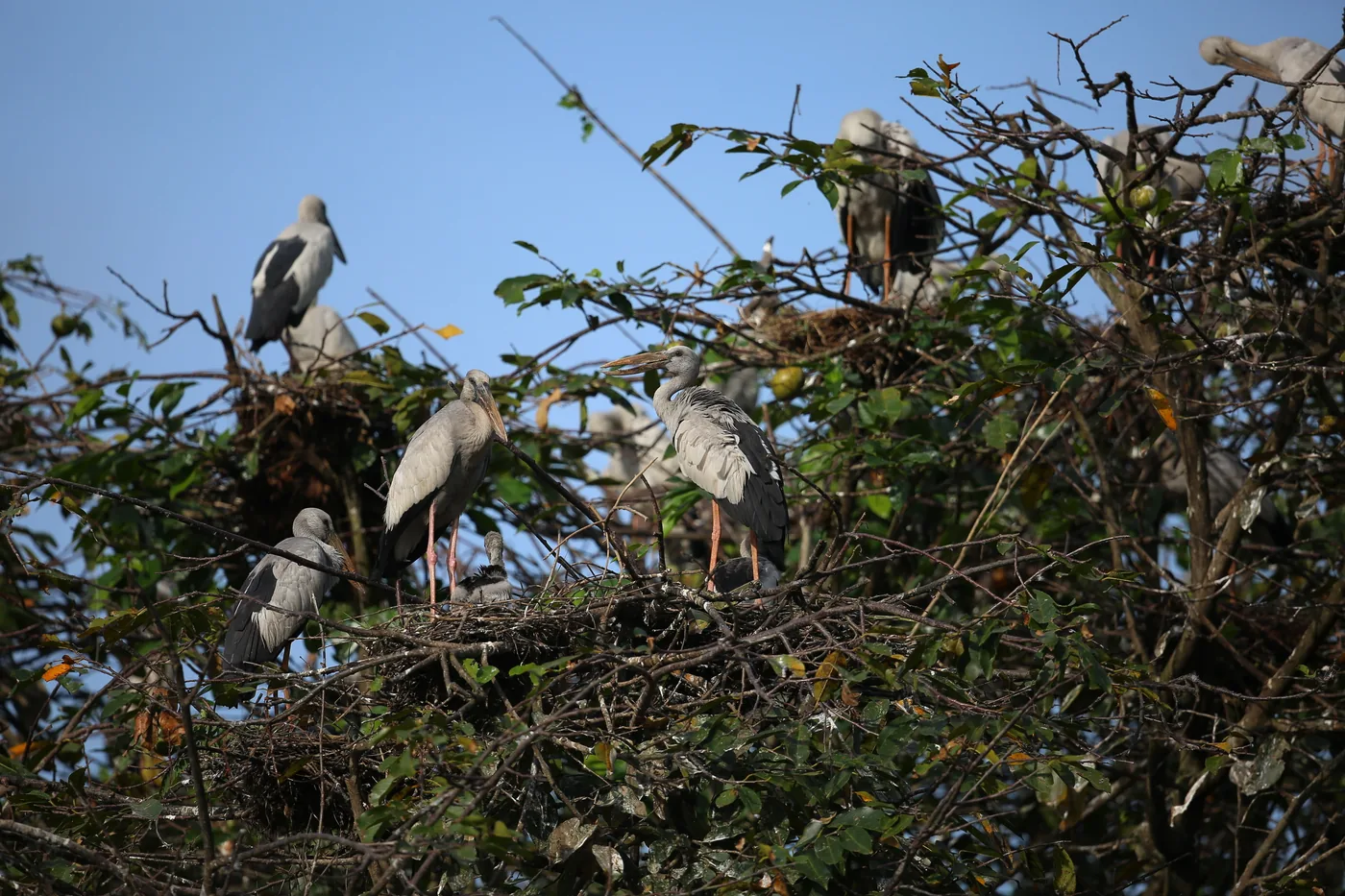
The Bellanwila-Attidiya wetland, for example, has documented more than 160 bird species, along with butterflies, fish and other wildlife. So, while you may have apartment buildings and busy streets not too far away, an entirely different world unfolds in the vegetation and shallow water.
This is one reason I think Colombo’s wetlands deserve more consideration. They aren’t just empty pieces of land between neighbourhoods. They are a vital part of the city.
Here are some Wetlands to Visit in Colombo.
If you want somewhere easy to walk around, I would choose Diyasaru Park or Beddagana Wetland Park. If you are mostly interested in birds, Bellanwila-Attidiya is more appealing.
If you have a little more time, you can go to Muthurajawela for a proper wetland and boat experience. But I’m not listing that here as it’s quite far from Colombo city.
Diyasaru Park
Diyasaru Park is probably the easiest place to start if you have never visited a Colombo wetland before.
It is in Thalawathugoda, around the Sri Jayawardenepura Kotte area, and is much more organised than some of the other wetlands in Colombo.
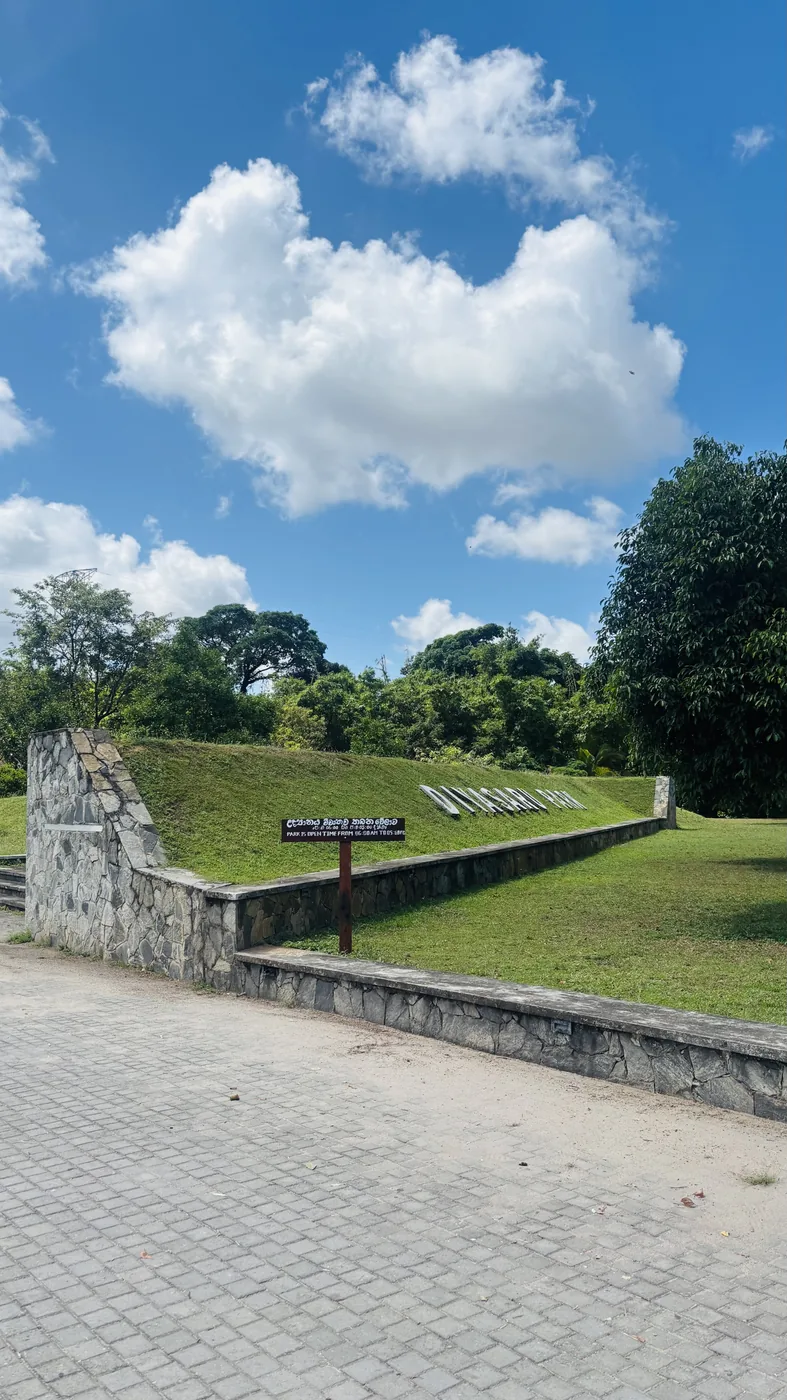
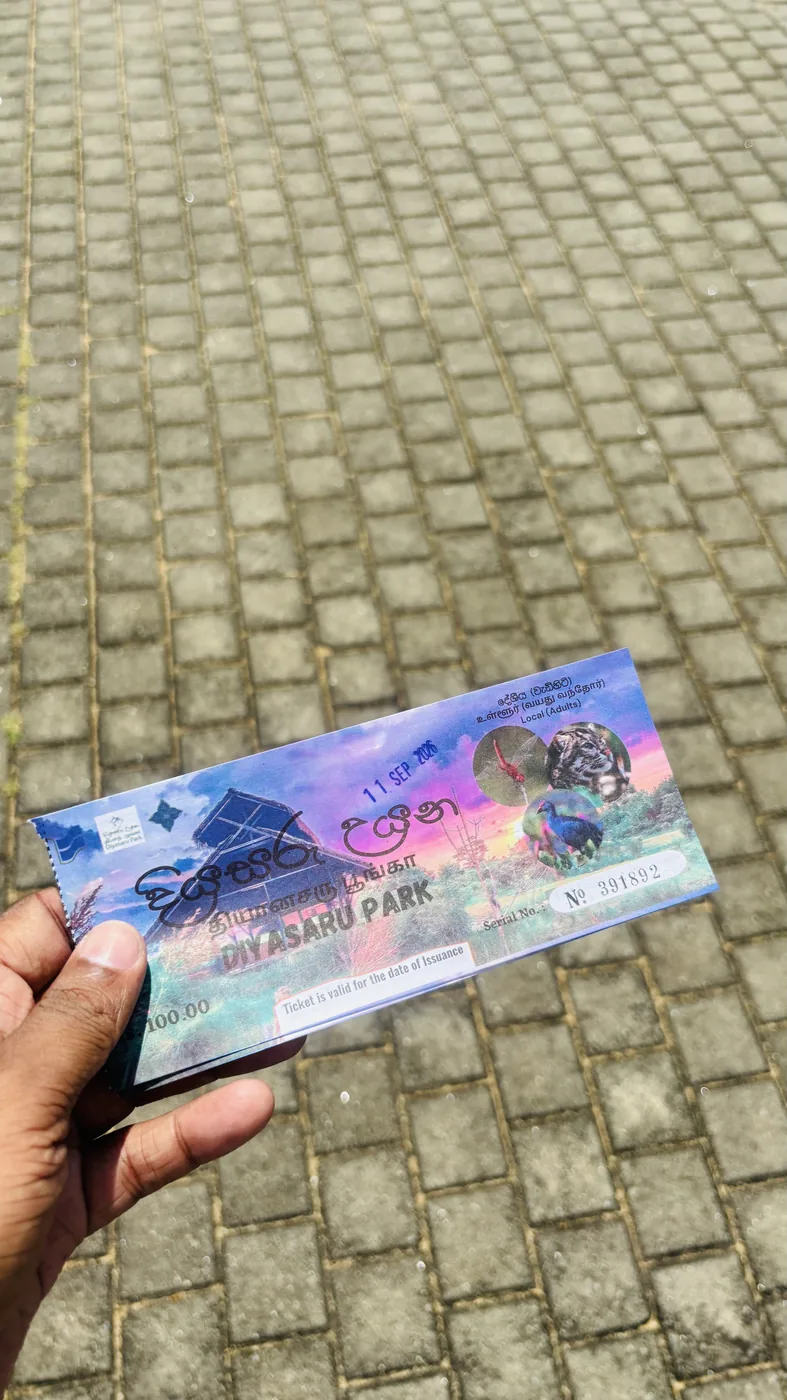
There are walking paths, ponds, wetland vegetation and places where you can stop for a while and watch the birds. The park says it is home to more than 50 varieties of birds, as well as fish and butterflies. So, it’s a very popular destination for wildlife photographers.
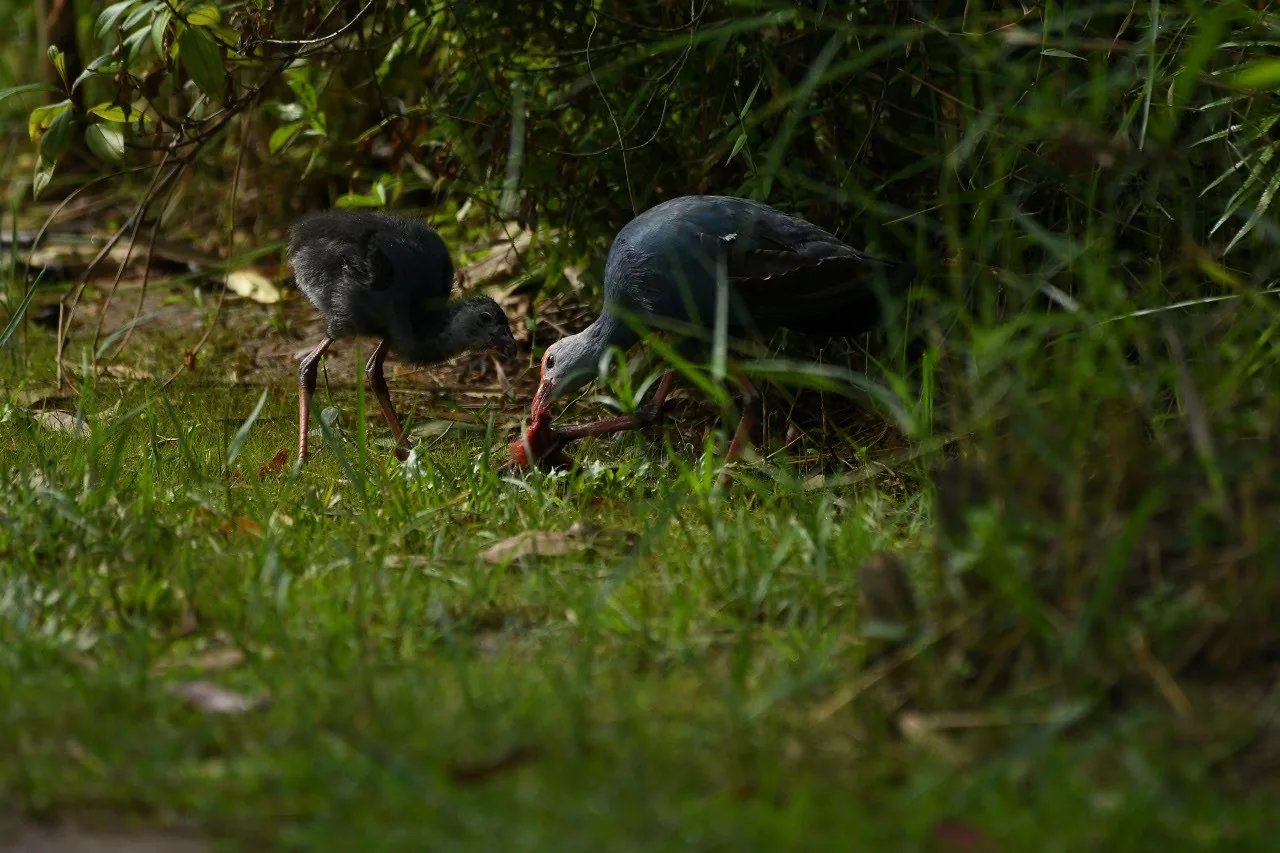
What I like about Diyasaru is that you don’t have to know exactly what you’re looking for. Just walking slowly around the park can be enjoyable. The only thing you’ll have to stay aware of is the warning signs of crocodiles. Crocodiles live in some areas of the wetlands in Colombo; although the edges are fenced, there might still be crocodiles.
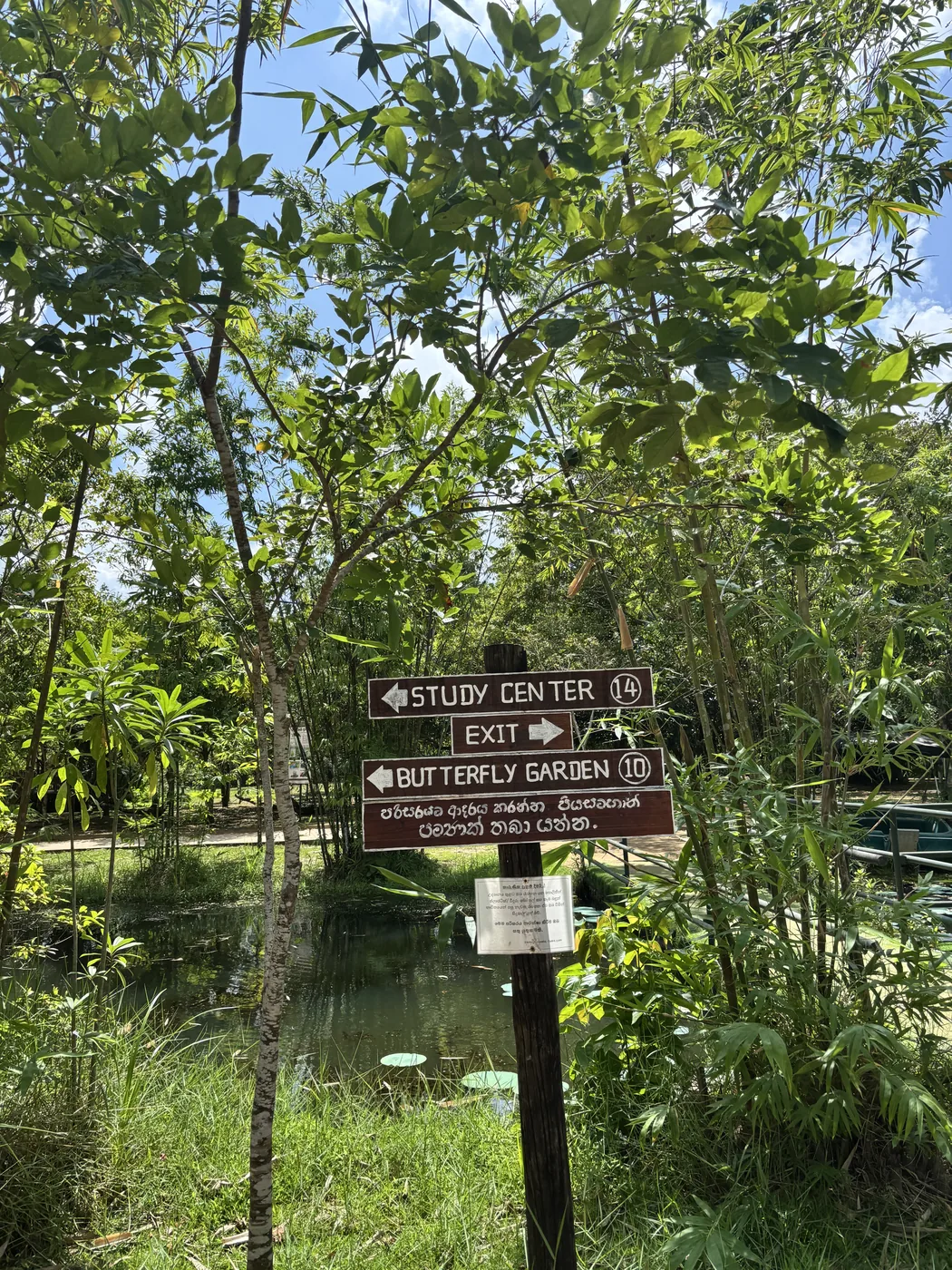
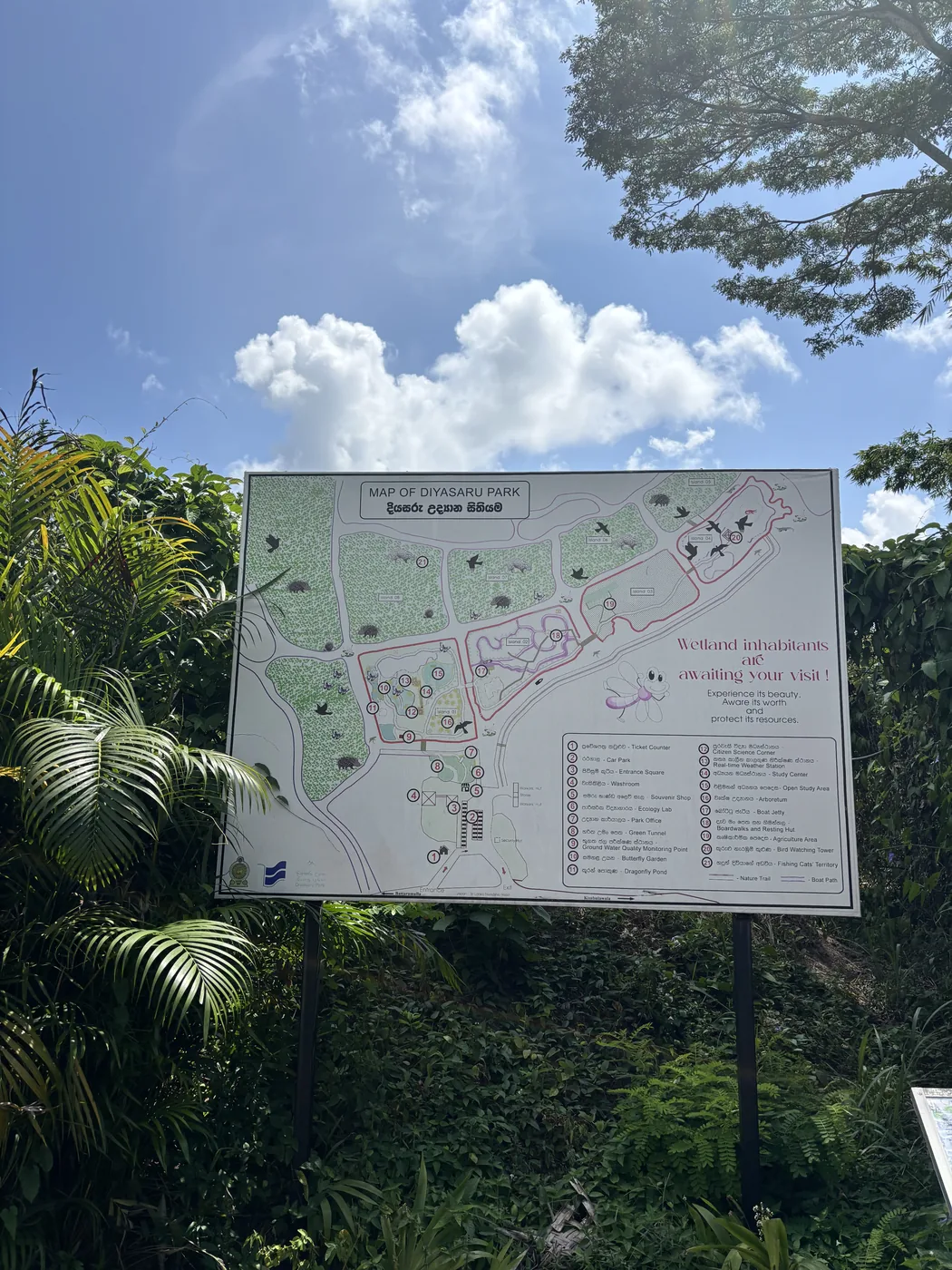
Opening hours: 6:00 AM to 6:00 PM
Location: Japan Sri Lanka Friendship Road, Sri Jayawardenepura Kotte
I would go early. Colombo gets hot quite quickly, and the morning is also a much nicer time for photography. Many birds are active at dawn, so you’ll have more chances of seeing them in action.
Beddagana Wetland Park
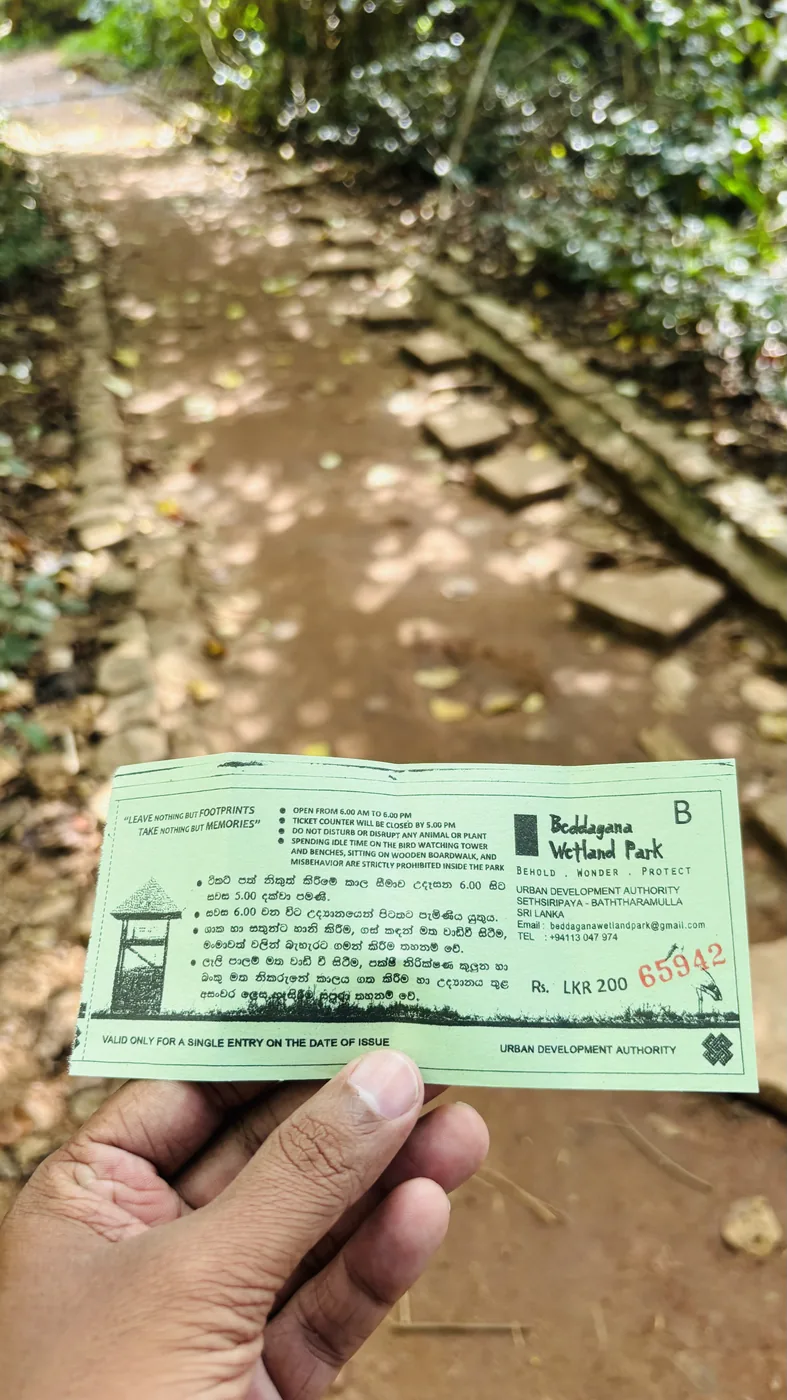
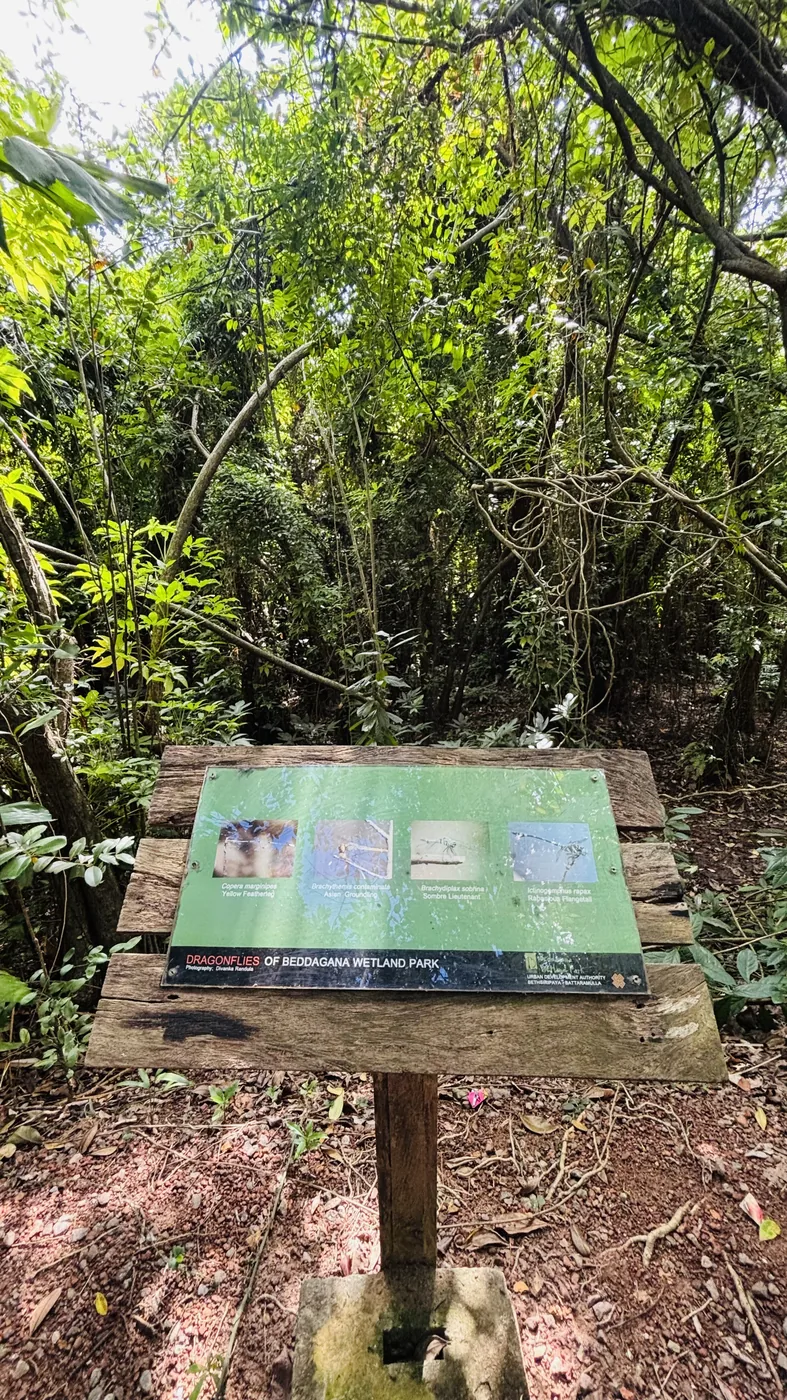
Beddagana Wetland Park is also another good option, especially if you’re looking for a quiet hour or two. It sits around the Diyawanna Lake area and has walking trails through the wetland. The landscape changes as you move around, with open areas, water, tall grasses and plenty of greenery. Colombo can be exhausting when you’ve been walking around in the heat and dealing with traffic all day. Beddagana gives you a chance to slow down.
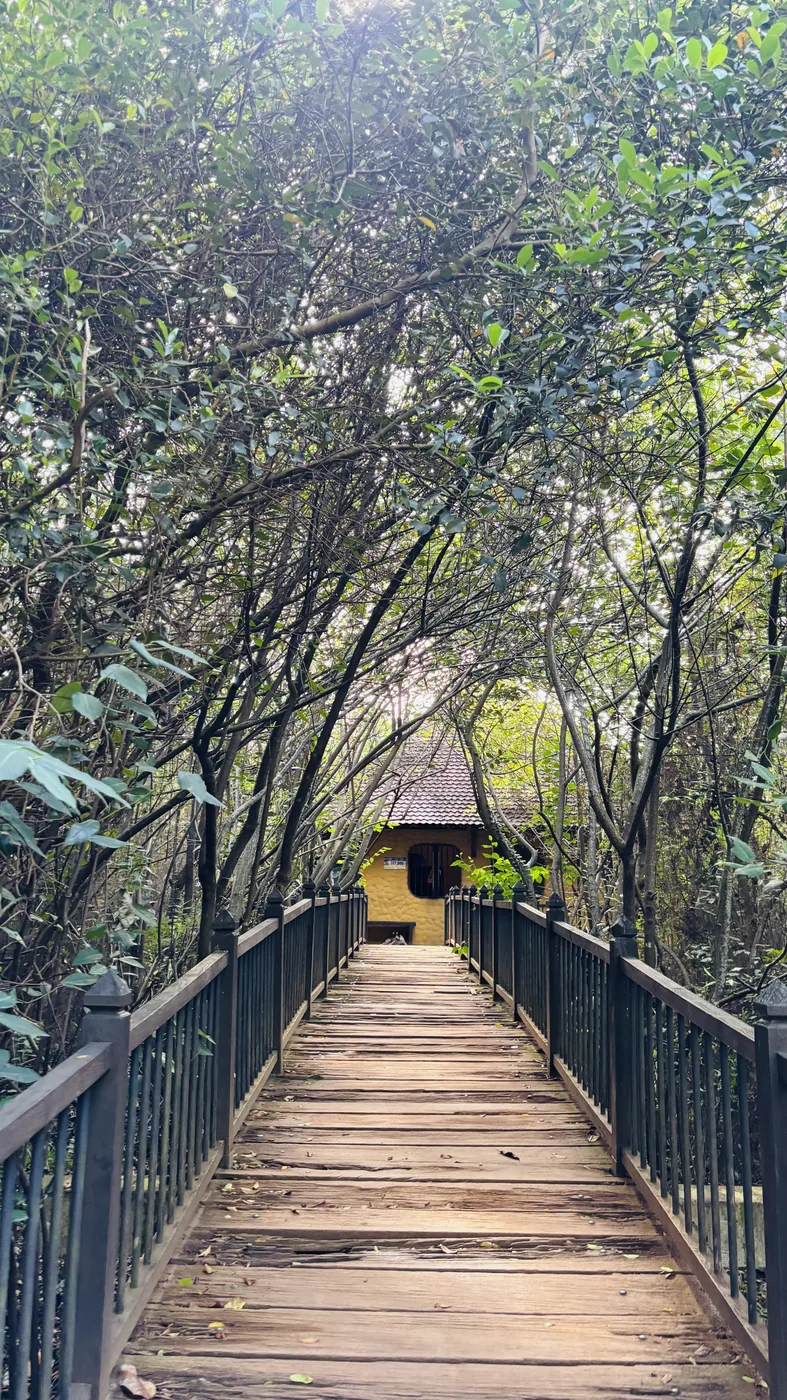
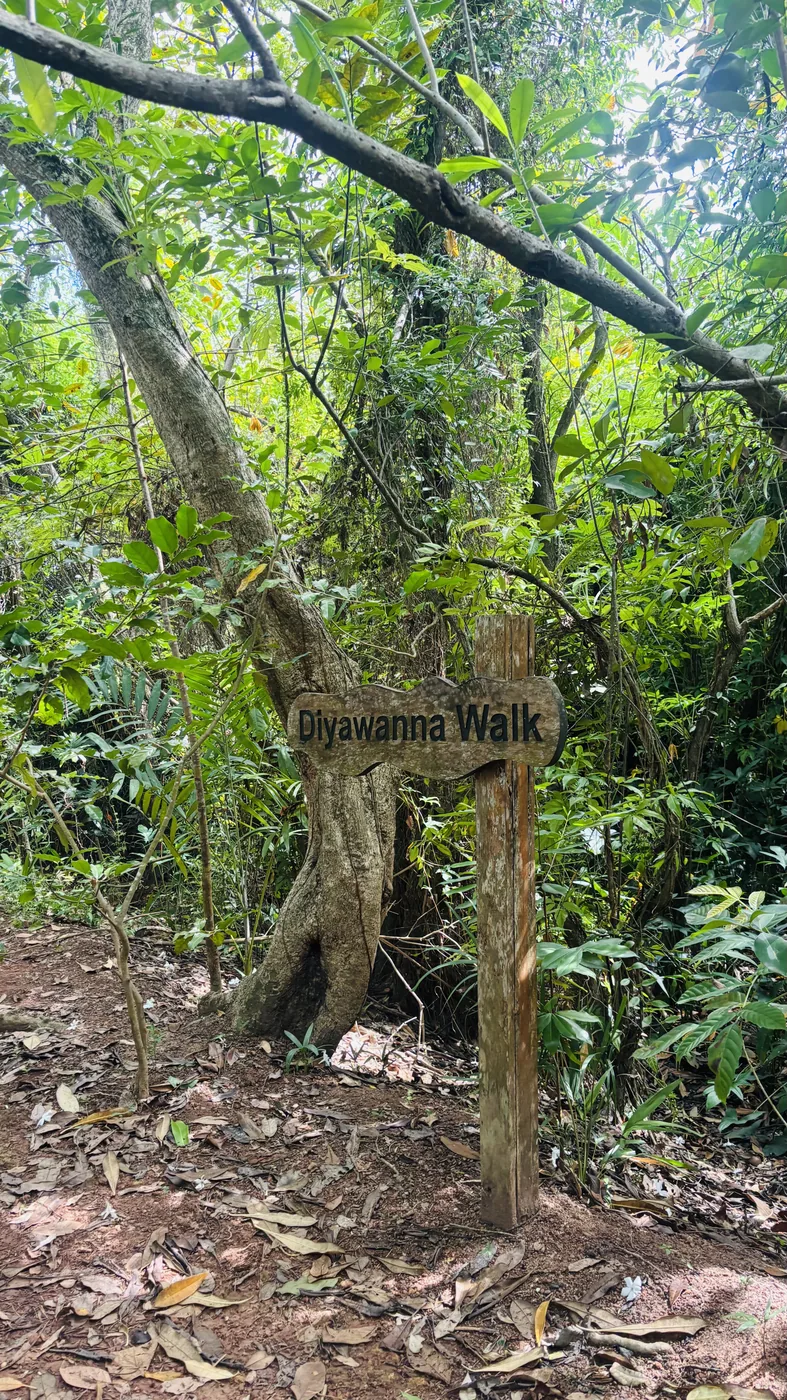
You don’t necessarily need to come here with a checklist of birds to see. Even if you aren’t interested in wildlife, the scenery makes it a pleasant break from the city. If you’re carrying a camera, mornings can be particularly nice. The water is often calmer, and the light is softer.
Bellanwila-Attidiya Wetland
If you’re visiting Colombo specifically to see birds, I’d put Bellanwila-Attidiya higher on your list.
This is a much more natural wetland environment, so don’t expect something that looks like a manicured city park. That’s actually what makes it interesting. And since it’s a huge area, you’ll need to find an access road; I suggest taking a walking path in the Bellanwila area close to the temple. This area is a popular walking path; you can enjoy wildlife while walking there. I used to jog there when I lived in the area, and I could see crocodiles every morning.
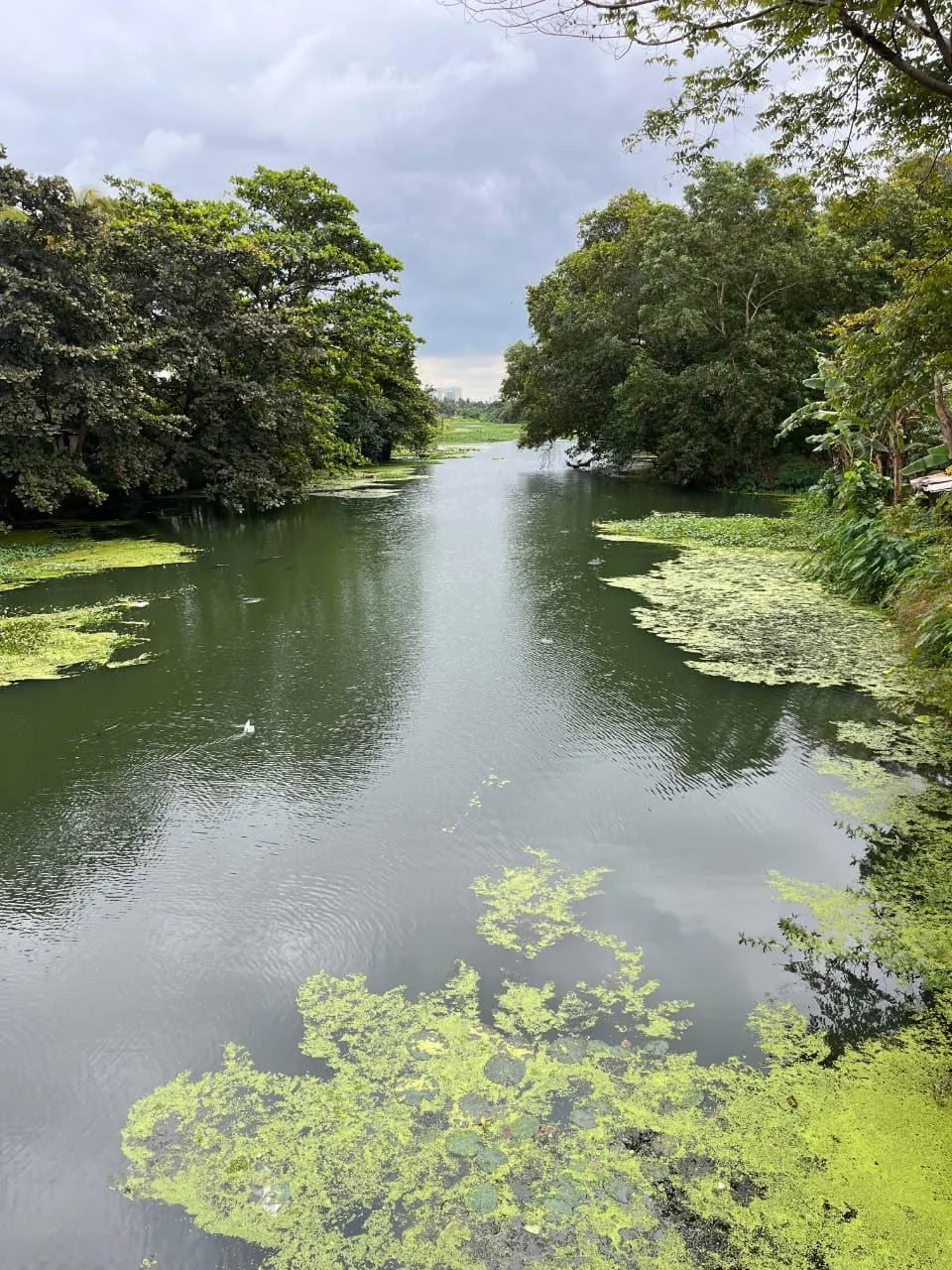
These marshes, patches of vegetation, and open-water areas provide feeding and resting spots for different bird species. You may see egrets, herons, kingfishers, waterhens, openbills and other wetland birds.
Thalangama Wetlands Surrounding the Lake
Thalangama is one of those places in Colombo that you can easily drive past without realising what is there. Around the lake is a mix of marshland, paddy fields, waterways and greenery, with plenty of birdlife if you visit at the right time. Compared to what I mentioned earlier, this is a bit far from Colombo city. And since it’s not a city park, it’s just a lake and the surrounding area, with many different bird species.
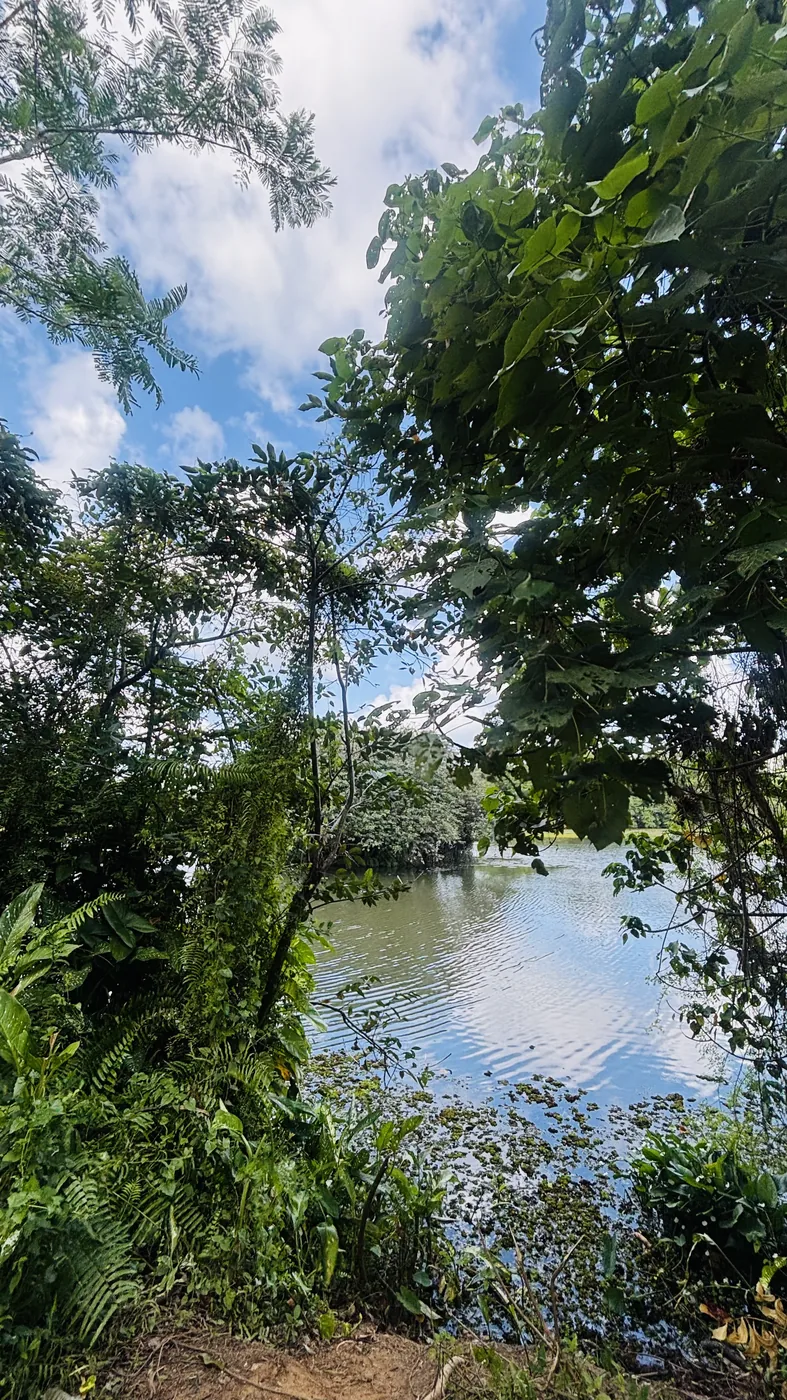
It’s a particularly nice place for an early morning walk or a quiet drive away from the busier parts of Colombo. If you visit Thalangama on a weekend, you’ll meet a lot of other birders and photographers; if you prefer fewer crowds, avoid weekends. There are some nestings in the lake area, so many people come here to watch those chicks.
What Is the Best Time to Visit Colombo’s Wetlands?
My honest advice is to go in the morning. If you can get there around 6:00 or 7:00 AM, that’s even better. The temperature is much more comfortable, and you have a better chance of seeing wildlife in action.
By late morning, Colombo starts getting properly hot. Walking around an open wetland under the midday sun isn’t particularly enjoyable. Late afternoon is another option, especially if you’re more interested in the scenery than birdwatching.
How to Get There?
For most tourists, the easiest option is Uber, Pick Me or a tuk-tuk.
You can use public buses if you’re comfortable navigating Colombo’s bus system, but if you’re visiting for a short time, a ride-hailing app will probably save you some hassle.
If you’ll be relying on ride-hailing apps to get around, a local eSIM makes it much easier to stay connected from the moment you land.
Diyasaru Park and Beddagana are relatively straightforward to reach from central Colombo.
For Bellanwila-Attidiya, check the exact entrance you’re travelling to before you leave. The wetland is spread across a fairly large area, so simply putting “Bellanwila-Attidiya” into your map isn’t always enough.
What Should You Bring?
Nothing complicated.
I’d take:
- Water
- Sunscreen
- Mosquito repellent
- A hat
- Comfortable shoes
- Binoculars, if you have them
- Your phone or camera
- An umbrella if rain is expected
- Cash for the tickets
Mosquito repellent is particularly useful around wetlands. This is one of those things you don’t want to remember only after you’ve already been bitten.
For less developed wetland areas, I would also avoid wearing your nicest shoes. A little mud is part of the experience.
Is It Worth Bringing a Camera?
Definitely.
Even if you aren’t into wildlife photography, wetlands can give you some of the nicest natural photographs in Colombo.
Early morning is especially good. The water, reflections and soft light can make even an ordinary-looking pond photograph well.
For birds, though, a phone camera may struggle unless the bird comes quite close. A camera with a zoom lens or even a pair of binoculars will make the experience much more enjoyable.
One thing I wouldn’t do is walk into restricted areas trying to get closer to a bird. You will probably scare it away anyway.
Can Children Visit Colombo’s Wetlands?
Yes.
Diyasaru Park and Beddagana are probably the easiest choices if you’re travelling with children because they are more structured and easier to walk around.
Older children who enjoy animals and nature may also enjoy Bellanwila-Attidiya.
I’d just avoid going during the hottest part of the day. Bring plenty of water and sunscreen, and don’t expect children to quietly birdwatch for two hours. Let them explore at their own pace.
Do You Need a Guide?
Not necessarily.
You can visit Diyasaru Park and Beddagana independently without any special knowledge.
But if birds are your main reason for visiting, a local birdwatching guide can make a huge difference.
There are plenty of birds that I would walk straight past because I simply don’t know what I’m looking at. Someone who knows the area and local bird calls can point out things that you would otherwise miss.
For a casual visit, though, you really don’t need one.
Final Thoughts
Colombo’s wetlands probably won’t be the first thing someone recommends when you ask what to do in the city.
If you’ve already seen the usual Colombo attractions and want something quieter, spend a morning around Diyasaru or Beddagana. If you enjoy birdwatching, try Bellanwila-Attidiya. You don’t need expensive equipment or a full-day tour. Just go early, take your time and pay attention.
Colombo is a busy city, but these wetlands remind you that plenty of nature still hides between all those buildings and roads. And honestly, finding that little bit of quiet in the middle of the city is one of the nicest things about them.