Disclosure: This article contains affiliate links to tours, tickets and other Sri Lanka travel services. If you book through one of them, we may earn a small commission at no extra cost to you. It never changes what we recommend.
Colombo is a very diverse city with chaotic traffic, but still a cool place to visit where colonial history meets a modern, high-energy metropolis. As a Sri Lankan woman who has lived and worked in and around Colombo for the majority of my life, you don’t need to chase every tourist attraction on travel blogs or Instagram. Let me warn you: traffic in Colombo is very unpredictable, and it feels much better when you leave room to wander.
So, if you want to see the major highlights without spending the entire day in traffic, here are the things to do in Colombo that I recommend as a local. This guide covers the best things to do in Colombo if you have 24 hours. It includes a realistic route, transport tips and practical advice for first-time visitors. You can skip what’s not of interest, and you can pick what’s good at your pace. These are my suggestions, and most of these are free activities.
Gangaramaya Temple – Seema Malaka & Beira Lake
Start your day early at Gangaramaya Temple; it is one of Colombo’s most interesting and oldest Buddhist temples.
This temple has a huge collection of statues, antiques, donated relics, and objects collected over decades. And what’s interesting is that many of these collections are from other Buddhist countries in Asia. That clutter is the point; it shows how this island has absorbed influences from all over Asia for centuries, almost like a museum that happens to also be a place of worship.
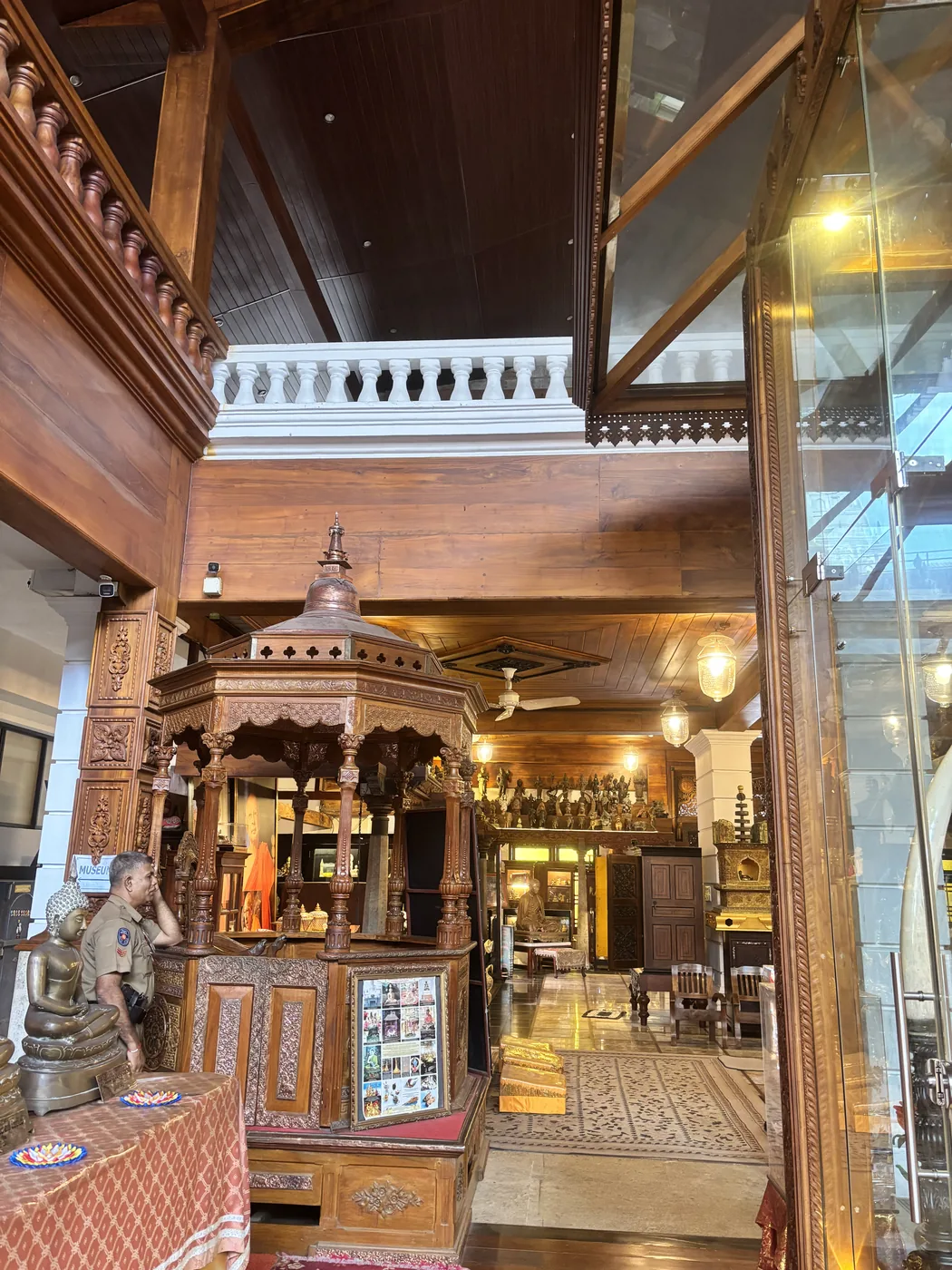
An architectural replica and miniature design inspired by Indonesia’s iconic Borobudur temple. It spotlights the temple’s global representation of diverse Buddhist traditions and international architectural styles. Please note that taking photographs is prohibited, and the entire temple is under surveillance cameras.
Early morning is a good time to visit because the temperature is more comfortable and the city has not yet reached its daytime traffic levels. Keep in mind that this is an active religious site, so dress respectfully; you don’t have to wear white clothes. You’ll need to cover your shoulders and knees and remove your shoes before entering certain areas. Entrance to the main Gangaramaya Temple is free for all visitors, though foreign tourists may be asked to pay a small fee or leave a donation (typically around 300 to 500 LKR) for the on-site museum and maintenance. If anyone tries to force you to donate to another charity, ignore them. It’s a scam!
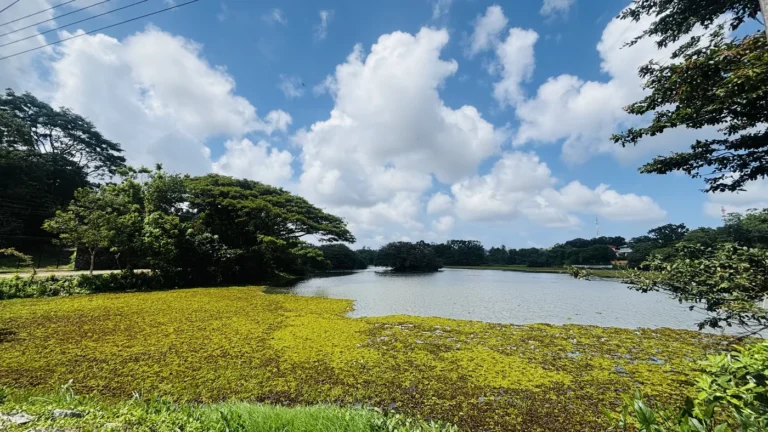
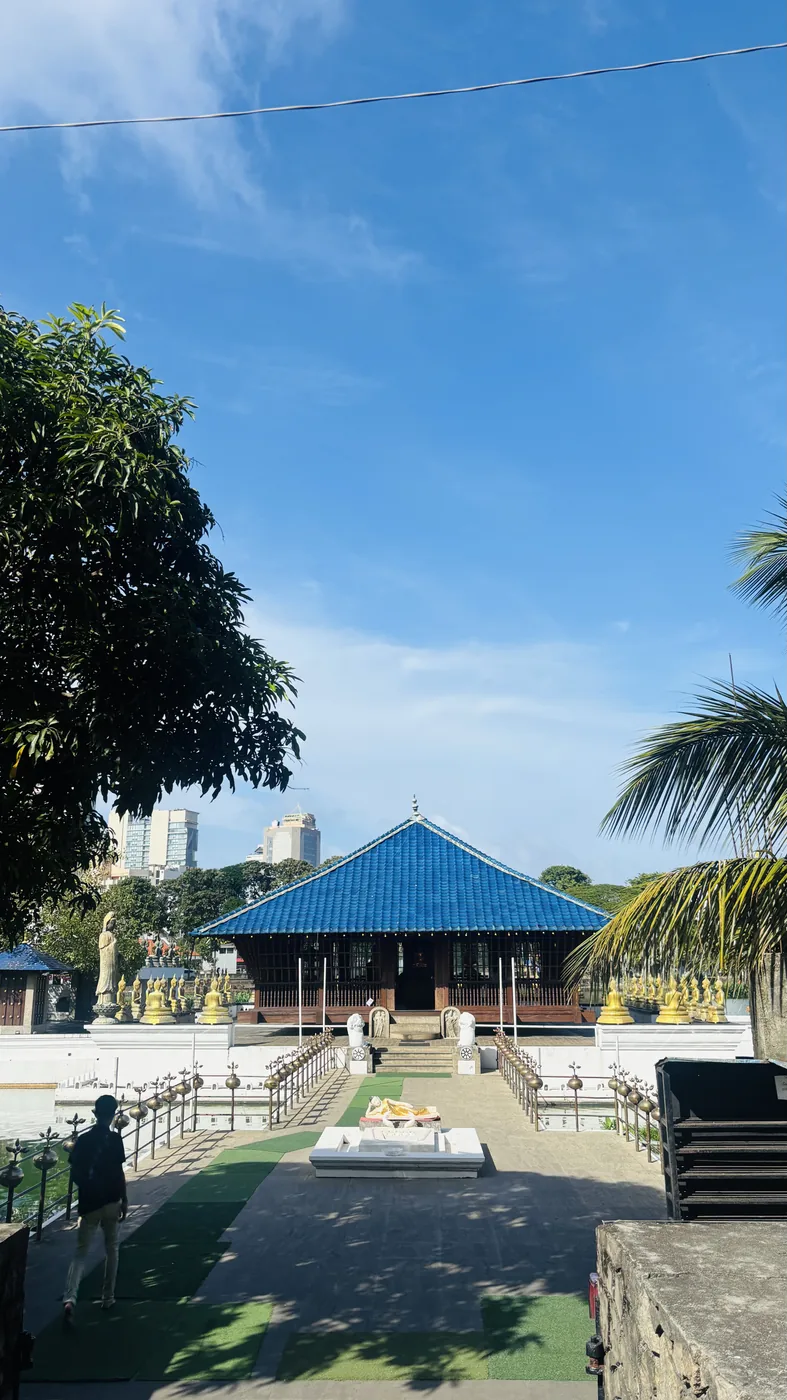
Walk to Seema Malaka and Beira Lake; from Gangaramaya, head to Seema Malaka, a small Buddhist meditation centre on Beira Lake.
The open-air structure sits over the lake and was designed by a renowned Sri Lankan architect, Geoffrey Bawa. Compared with the Gangaramaya Temple, Seema Malaka feels much more peaceful. Statues surround Seema Malaka, and a “Bo” tree stands beside it, serving as a place for pilgrims. You will have to keep your shoes off when entering here as well.
Experience the Chaos of Pettah Market
Pettah is Colombo’s historic commercial district, and it is very different from the polished shopping malls and hotel areas you may have already seen. The streets are crowded with buses, tuk-tuks, shoppers, shopkeepers and delivery vehicles. You’ll find shops selling clothing, electronics, spices, jewellery, household goods and almost anything else you can imagine. Don’t expect a relaxing stroll. Pettah is noisy and crowded, but that’s exactly why it is worth experiencing.
You can use an Uber or PickMe to travel from Seema Malaka to Pettah, a journey of less than $ 2 through the app on a busy morning.
Jami Ul-Alfar Mosque – The Red Mosque
Standing out with its striking red-and-white striped exterior, almost resembling a giant candy cane, Jami Ul-Alfar Mosque, also known as the Red Mosque, is one of Colombo’s most recognisable landmarks and one of the most photographed buildings in Sri Lanka. Located at the intersection of Second Cross Street and Mosque Street in Pettah, the mosque was built in 1908 and features an absorbing blend of Islamic, Indian, and colonial architectural influences.
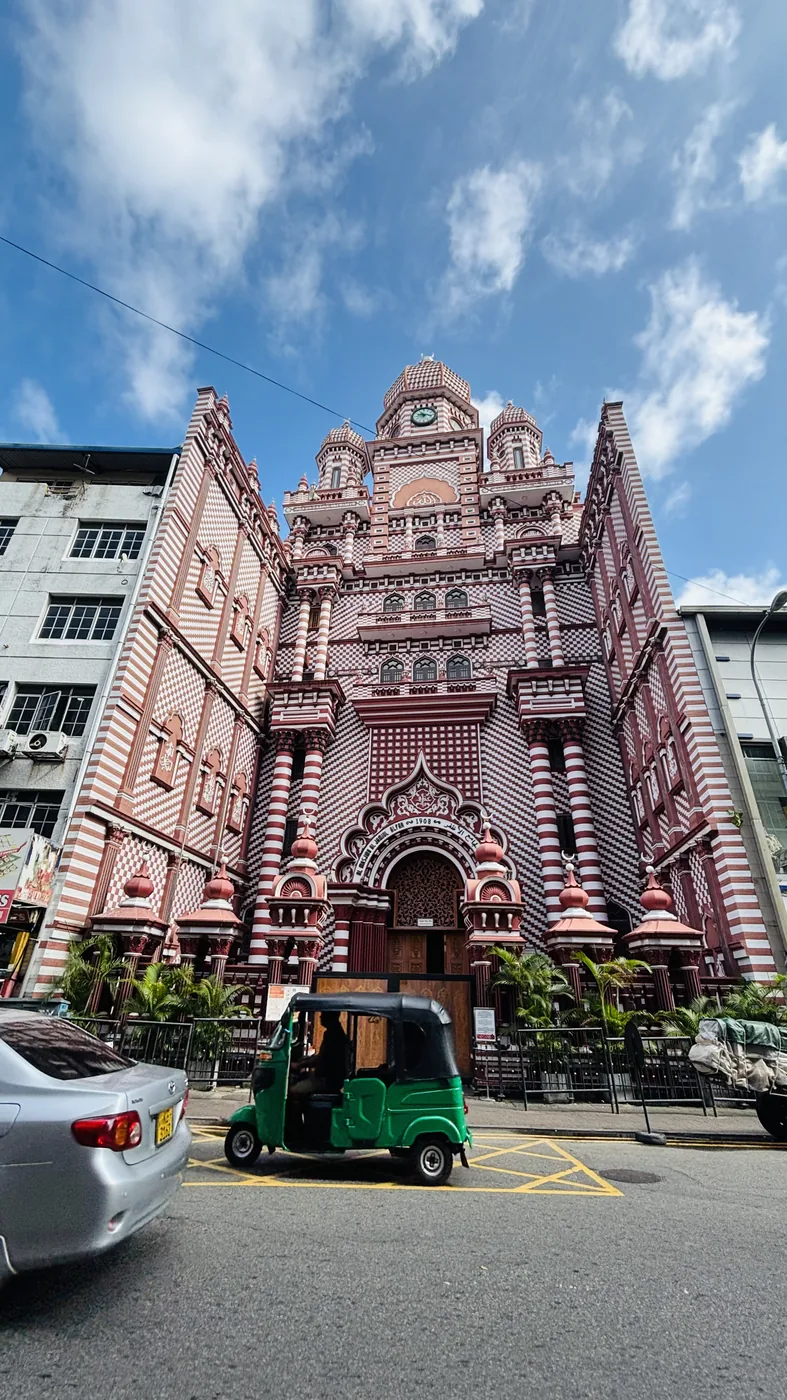
Visitors are welcome to enter the mosque if they are dressed appropriately and respectfully. Female visitors have to cover their heads. As it is an active place of worship, make sure your shoulders and knees are covered, and follow any instructions from mosque staff during your visit.
You don’t necessarily need to spend hours exploring Pettah. Give yourself around an hour and walk through some of the main streets. If you’re carrying a camera, remember that Pettah is a real working market, not a tourist attraction built for photographers. Ask before photographing people, particularly shopkeepers and vendors. And if you’re a woman travelling solo, I’d call the area safe, but crowded streets mean pickpockets are a real possibility, so keep your bag close and stay alert.
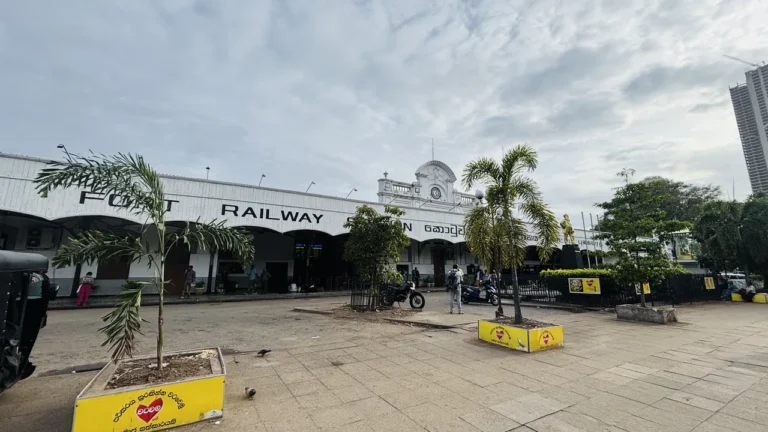
From Pettah, walk or take a short tuk-tuk ride towards Colombo Fort.
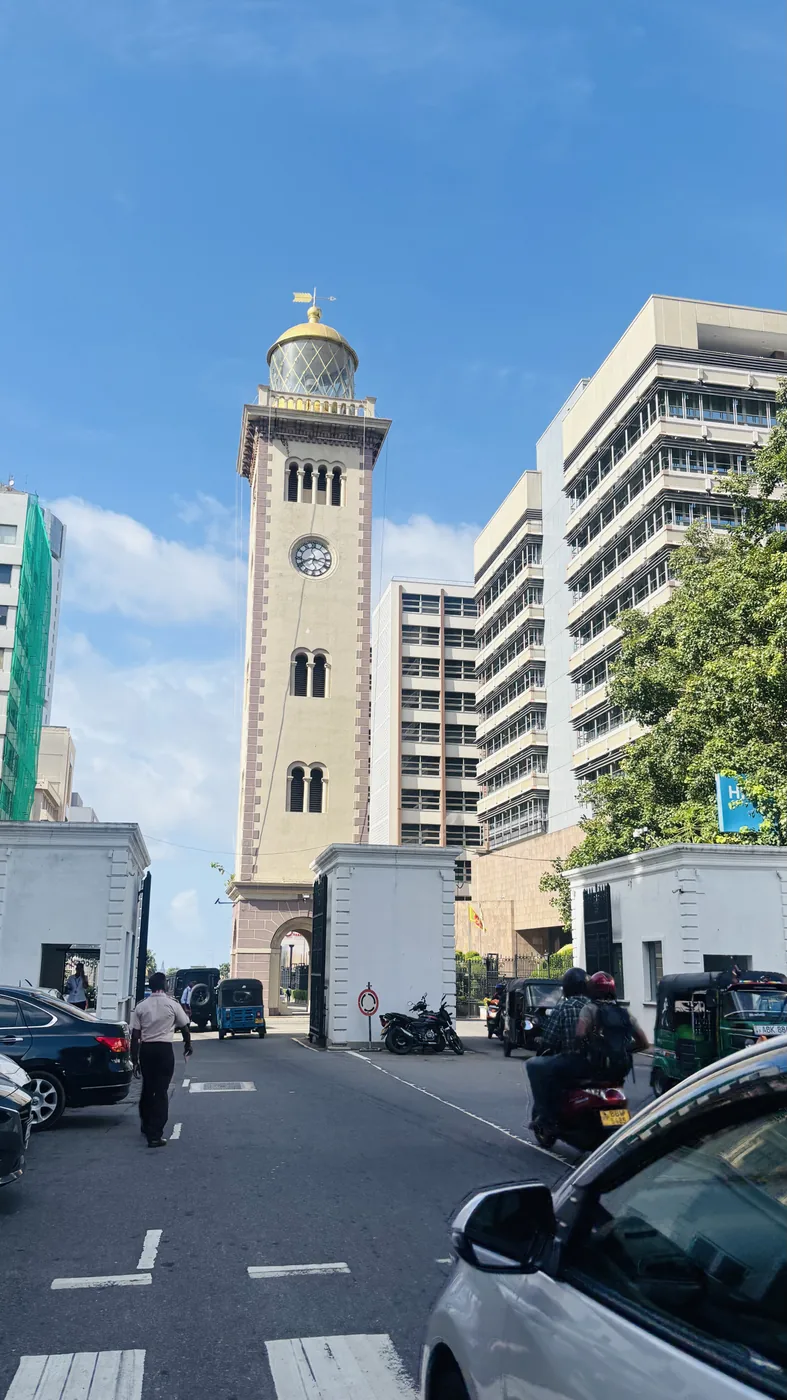
The Fort area shows another side of the city. The chaotic market atmosphere gives way to colonial-era buildings, banks, hotels and modern office towers.
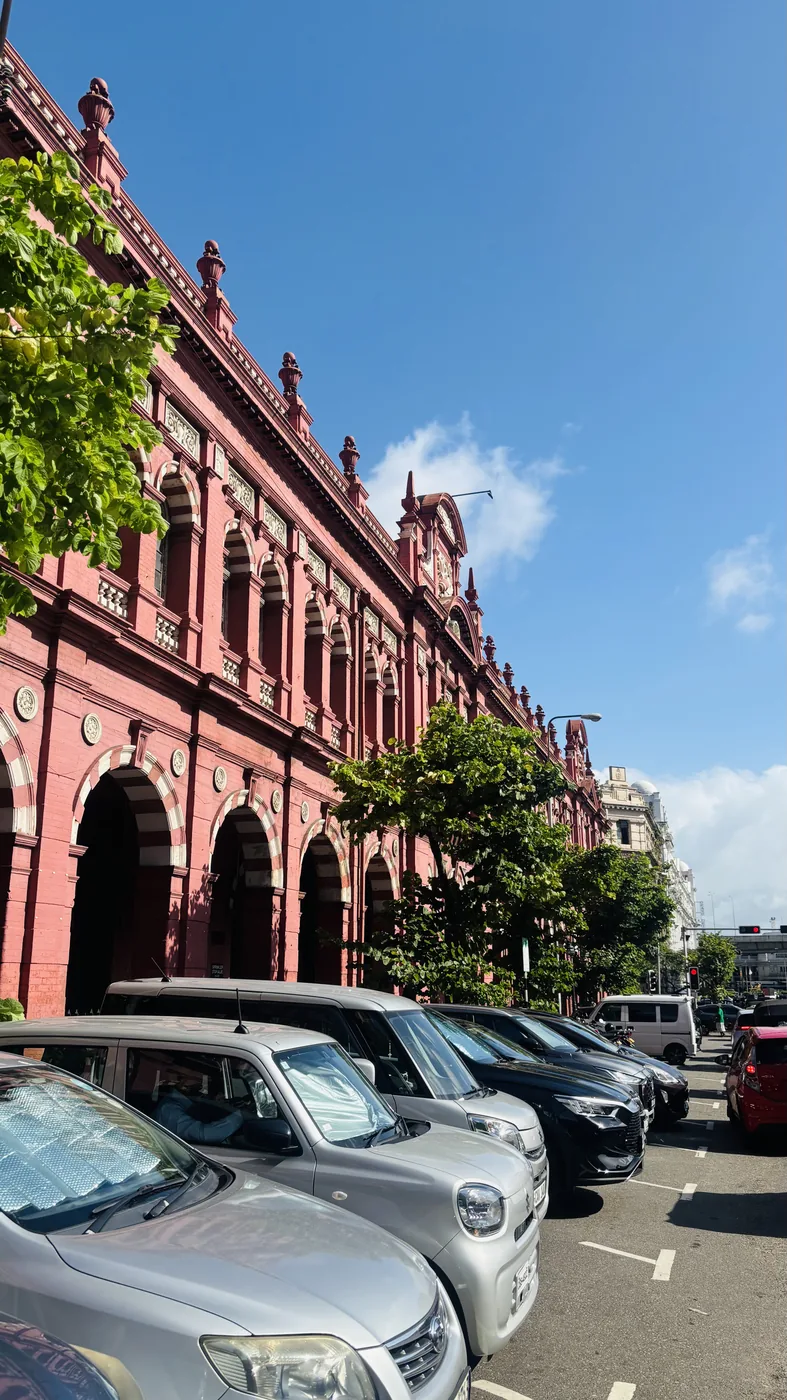
This part of Colombo reflects the city’s long history as a trading port. You don’t need to follow a strict sightseeing route. Walk around the streets and look up at the old architecture. One large red building is a very popular photo spot. It’s known as the “Cargills” building, built in 1902. You can also look around for some other old colonial buildings as well.
Visit the Dutch Hospital Complex
The historic buildings of a Dutch hospital have been transformed into restaurants, cafés and shops, making this a convenient stop if you want to take a break. This is also a good place to get some souvenirs and do some shopping. If you are in for a quick lunch, a local restaurant is often a better choice than a long sit-down meal because you still have plenty to see. In the Dutch Hospital area, there are great restaurants with Sri Lankan Lunch options.
Budget: You can eat locally for a few thousand rupees, while hotel restaurants and higher-end Colombo restaurants can cost considerably more.
Visit the National Museum of Colombo
If you’re interested in Sri Lankan history, this is one of the most worthwhile things to do in Colombo. After lunch, head towards Colombo 7 and spend some time at the National Museum of Colombo. The museum’s collection covers different periods of the island’s history, including ancient kingdoms, Buddhist art, traditional objects and Kandyan-era artefacts.
It also helps put the rest of your Sri Lankan trip into context. If you’re heading to Kandy, Anuradhapura, Polonnaruwa or Sigiriya afterwards, you’ll have a much better understanding of the history behind what you see.
Walk Around Independence Square
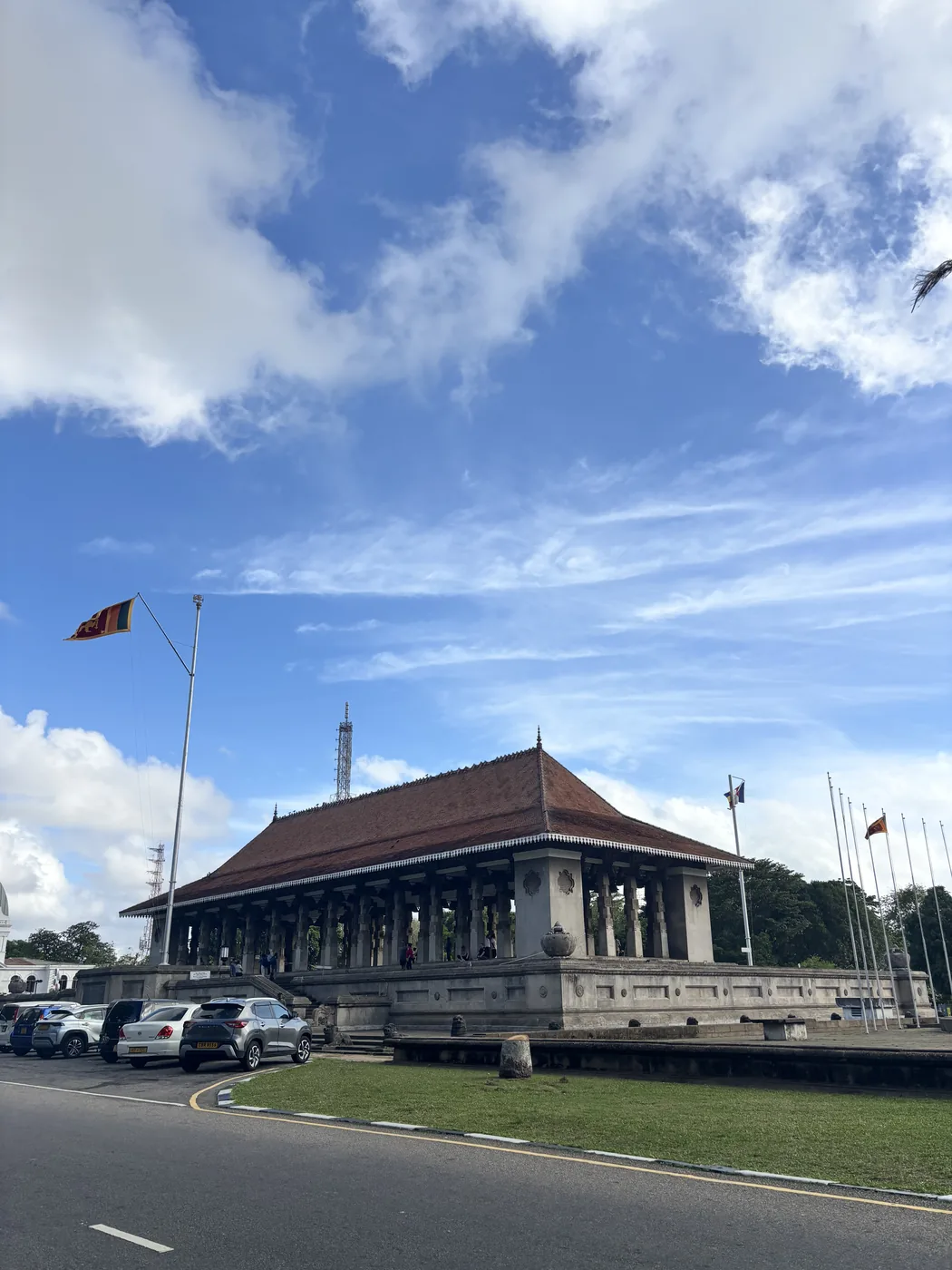
After the museum, you can walk down the road until you reach another green area. The Independence Memorial Hall commemorates Sri Lanka’s independence from British rule in 1948, and the surrounding area is one of the more pleasant places to walk in central Colombo. Unlike Pettah, this part of the city feels spacious and relatively calm. If you’re travelling with someone who isn’t particularly interested in museums, this is also a nice place to slow down after several hours of sightseeing.
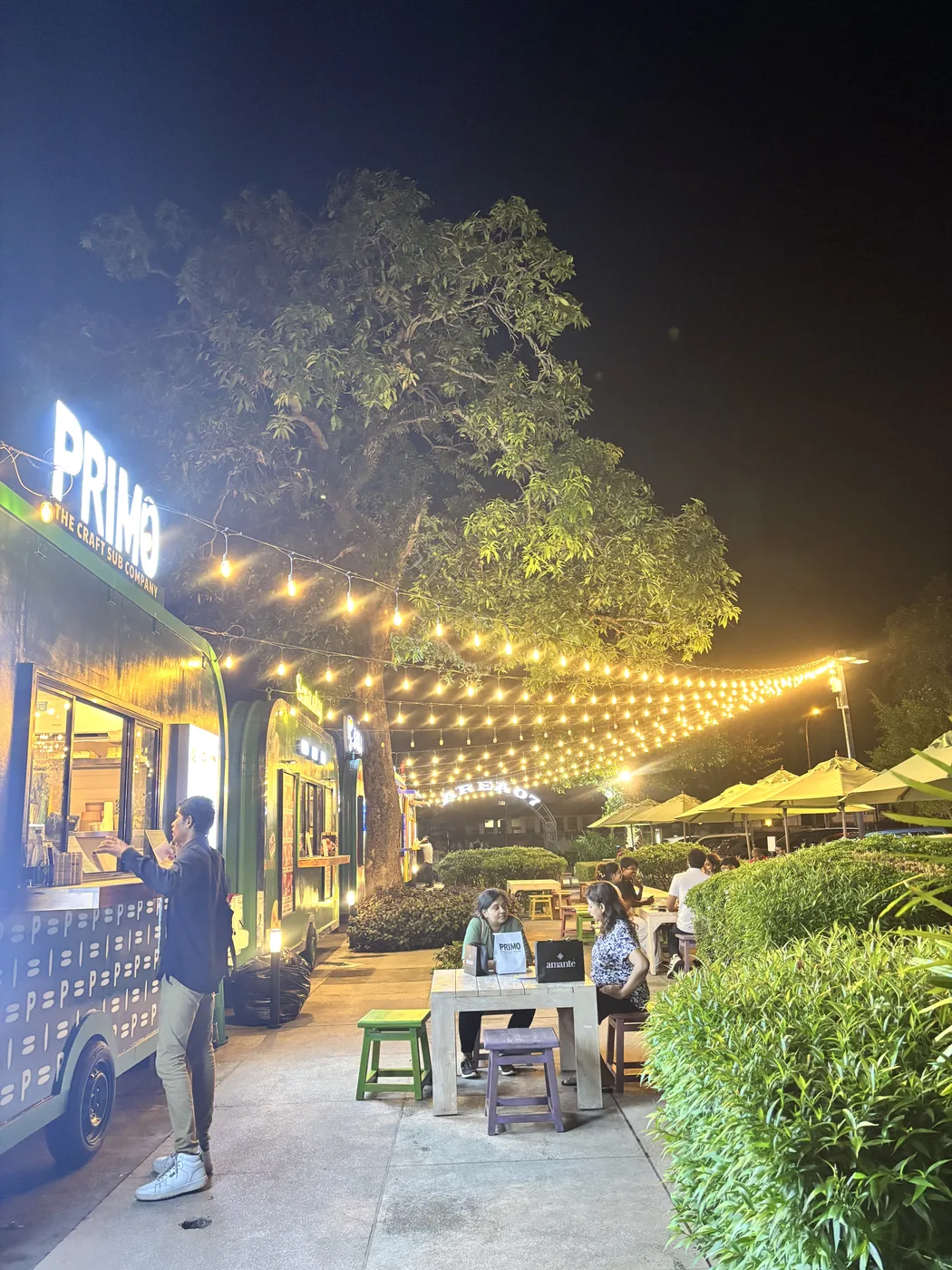
And when you walk past the Memorial Hall, you’ll see a white building, which has a few cafes and a food court. I usually go there in the evening; some good food stalls are open by then.
Viharamahadevi Park
If you still have energy, continue to Viharamahadevi Park. It’s close to the large lotus flower-shaped “Nelum Pokuna Theatre”, so you won’t miss that. This park is Colombo’s main central green space and a nice contrast to the traffic and buildings you’ve experienced earlier in the day. However, if you visit on a weekend, families will be spending time together, so if you are coming to relax, I wouldn’t recommend going.
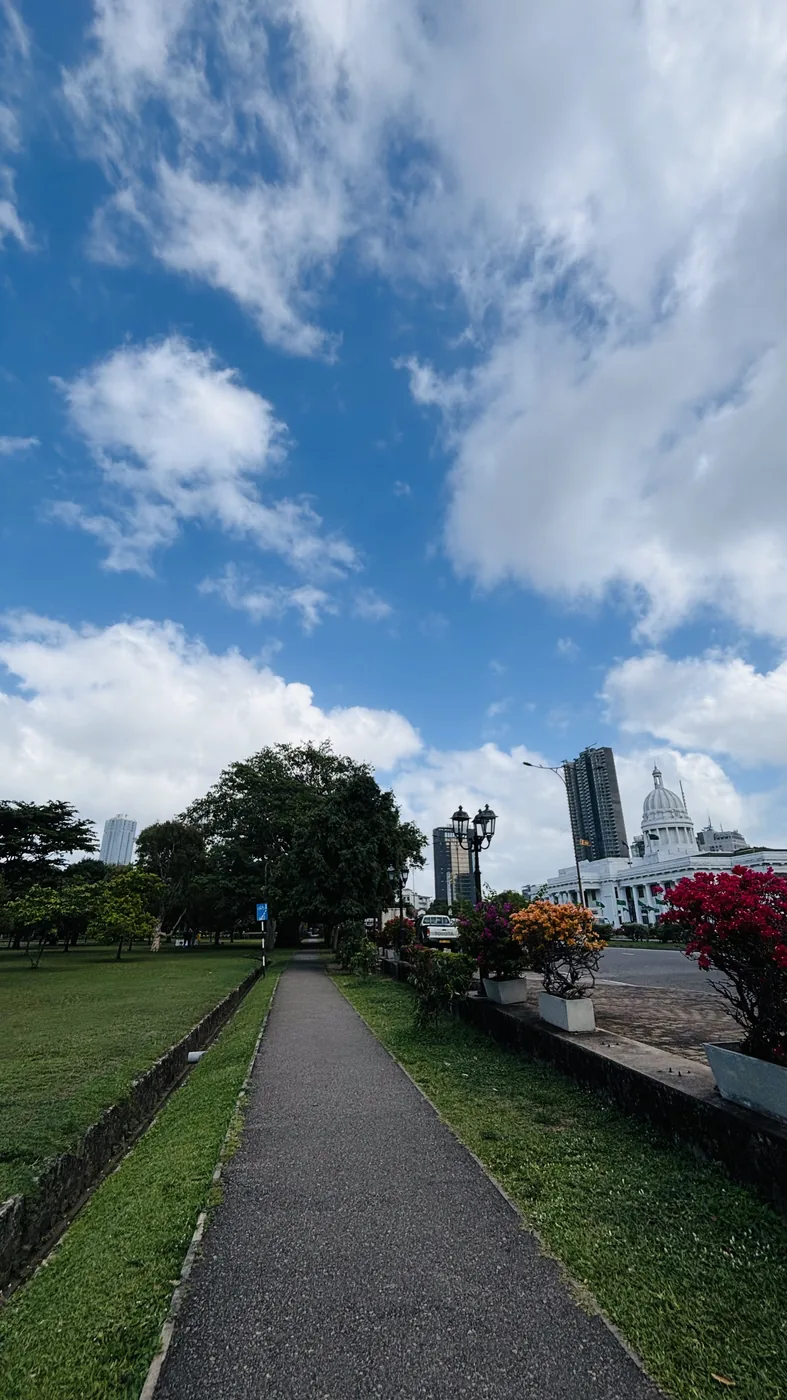
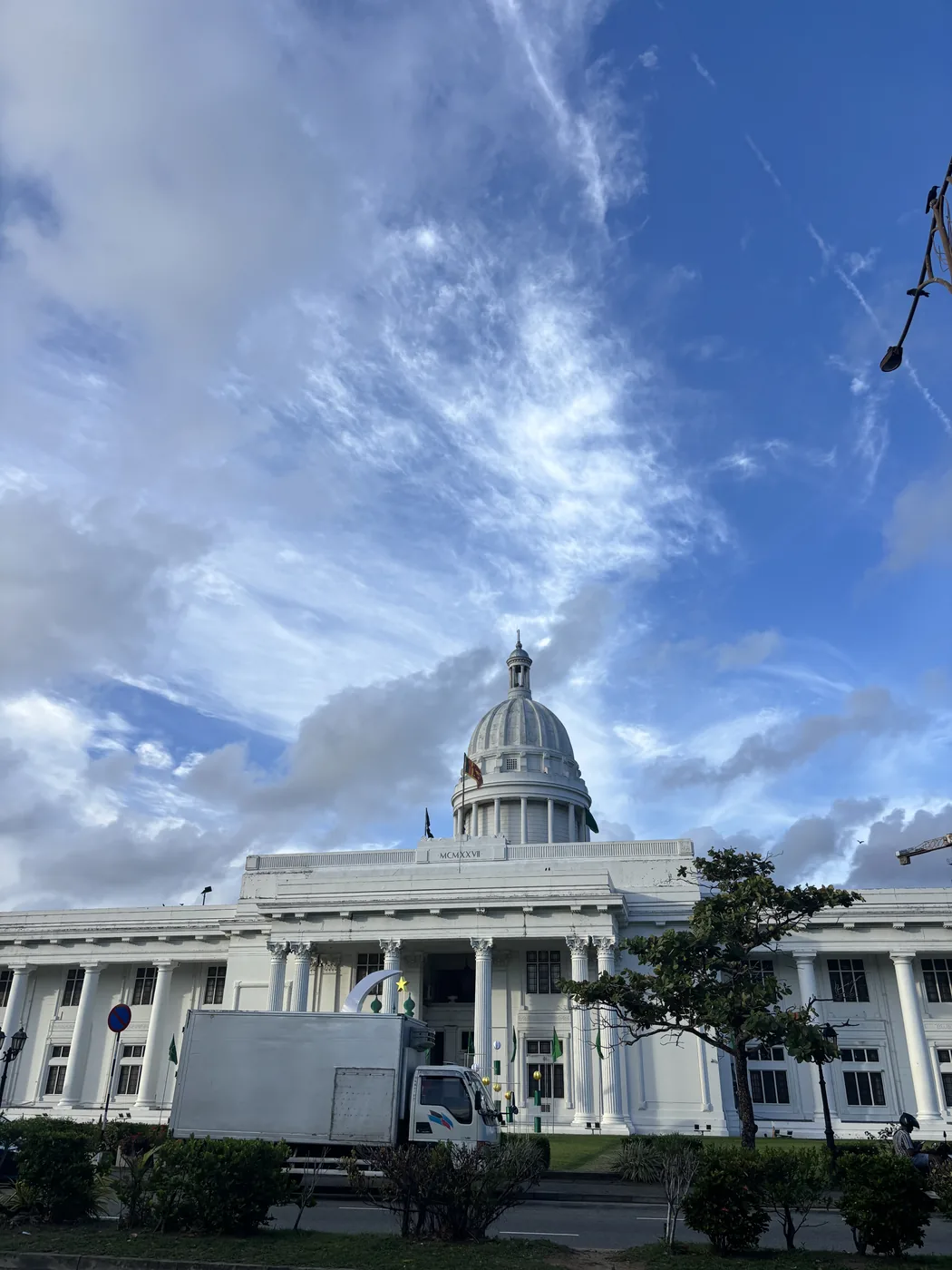
It has some walking paths on the borders, and you’ll also see the Colombo Municipal Council building on one side beyond the road.
See Colombo From Above at Lotus Tower
For a completely different view of the city, consider visiting Colombo Lotus Tower. This is a bit off the route; you’ll have to travel by tuk-tuk to reach it. I’d recommend doing this only if you enjoy viewpoints. If you’re more interested in food, architecture, or just relaxing, you can skip the tower and head directly towards the coast.
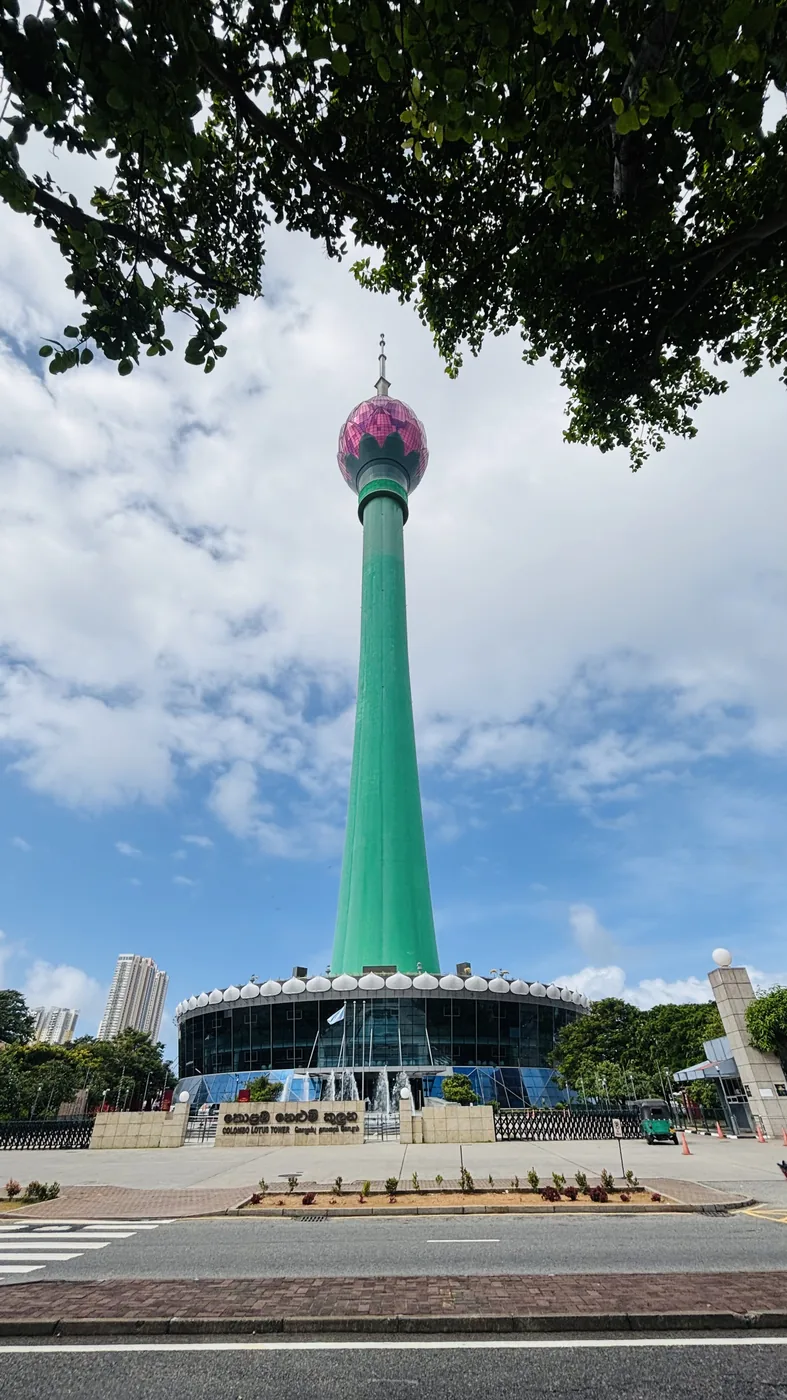
The tower has become one of the city’s most recognisable modern landmarks. From the observation areas, you can look across Colombo and see how quickly the city changes from dense urban streets to the Indian Ocean coastline. There is a restaurant, which is Sri Lanka’s first and only revolving restaurant. They don’t accept walk-in guests, so you’ll need to arrange a reservation to dine there.
Visit the One Galle Face mall
If you don’t like heights and want to go shopping, there is a huge mall in Colombo with many international brands and a food court with several Asian food outlets. I usually go there because they have some great biriyani shops, but there are also areas for other food, such as snacks and dessert shops. And don’t miss the rooftop bars with amazing views of the port city and the beach area.
Watch the Sunset at Galle Face Green
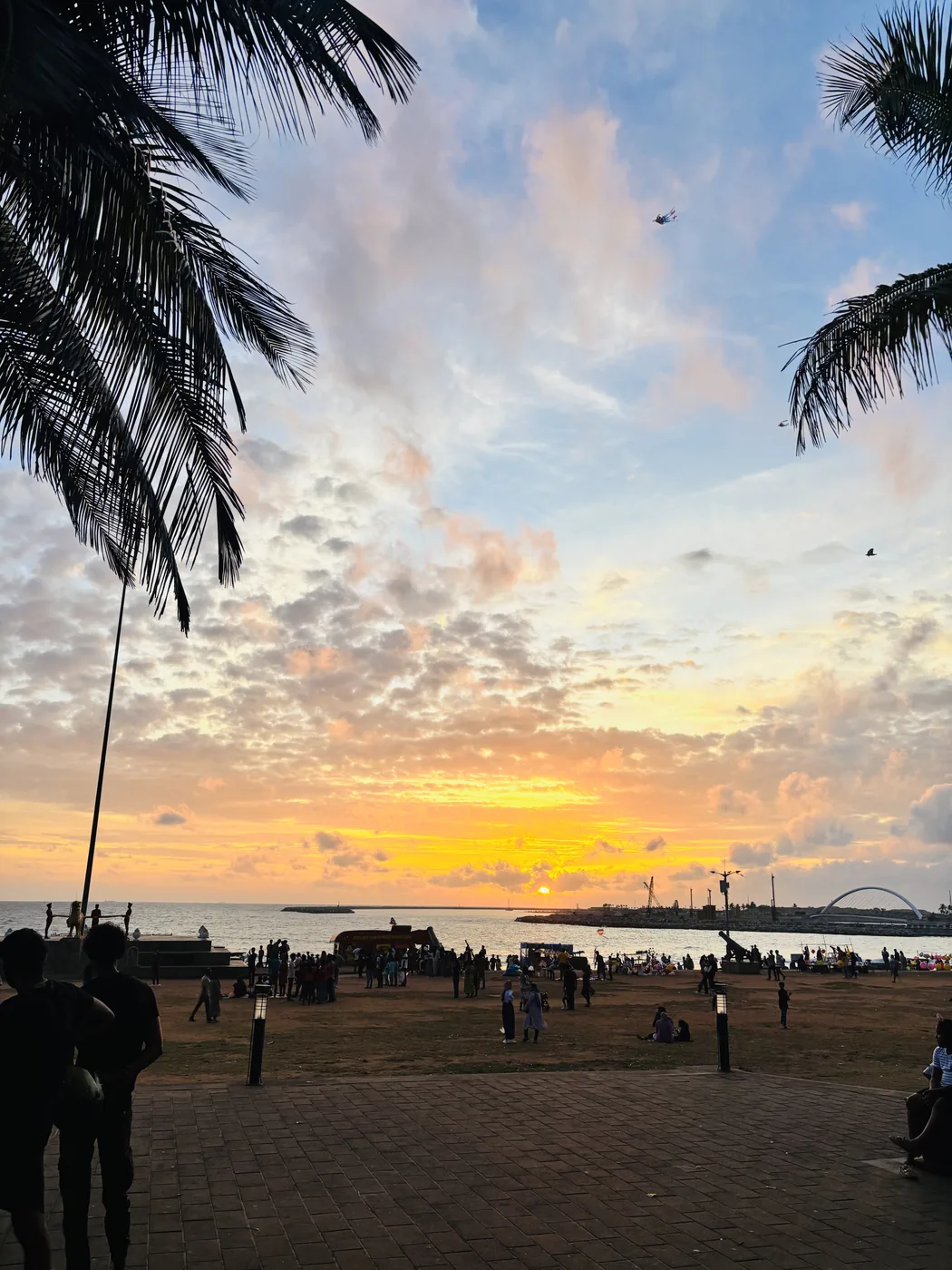
Out of everything on this list, this is the one thing I wouldn’t skip. Get to Galle Face Green in the late afternoon and stay until the sun goes down. Galle Face is a long oceanfront open space where locals come to walk, fly kites, meet friends, bring their children and eat street food.
Try an isso wade, a spicy prawn-topped lentil fritter, or some corn, achcharu or other local snacks. You don’t need to do anything here. After a full day of sightseeing, watching the sky change colour over the Indian Ocean is a pretty good way to finish your day.
Attention: If you’re visiting Galle Face Green on a weekend or a public holiday, be prepared for it to get surprisingly crowded, especially with local families coming for evening picnics. If the main stretch feels too busy, walk further along the promenade towards the Galle Face Hotel. It is more comfortable for enjoying the sea breeze and sunset without being right in the middle of the crowds.
Dinner in Colombo
For dinner, you have plenty of options depending on your budget. For a relaxed local experience, look for a Sri Lankan restaurant serving rice and curry, kottu, or seafood.
If you’re staying in Colombo overnight, don’t feel pressured to go clubbing or find an after-hours attraction. A good dinner followed by a quiet drink or dessert is more than enough after a busy day.
How to Get Around Colombo in 24 Hours
Getting around is one of the biggest things to consider when planning things to do in Colombo. Colombo isn’t huge geographically, but traffic can make short distances surprisingly slow.
For visitors, app-based rides are usually the easiest way to move between neighbourhoods. PickMe is a particularly useful option in Sri Lanka, while Uber is also available in Colombo. I’ve also shared an article here about using PickMe in Sri Lanka.
Tuk-tuks are convenient for short journeys, but if you’re taking a street tuk-tuk rather than booking through an app, agree on the price before starting the journey. Walk when it makes sense. Fort and Pettah are close enough to combine on foot. Gangaramaya and Seema Malaka can also be combined easily. When you choose to walk on your own, the entire route is on Google Maps, making it very easy to follow.
However, don’t underestimate the heat. Colombo can be hot and humid, so carry water and take breaks.
Final Thoughts: The Best Things to Do in Colombo in One Day
If you only have 24 hours here, don’t turn it into a checklist. The combination above will give you a far better feel for the city than ticking off a list of monuments ever could.
You won’t see everything, and honestly, you shouldn’t try. What this route gives you is everything at once: religion, history, food, shopping, architecture, and the ocean. You can visit these places without spending the whole day stuck in traffic, ticking off a checklist.