Disclosure: This article contains affiliate links to tours, tickets and other Sri Lanka travel services. If you book through one of them, we may earn a small commission at no extra cost to you. It never changes what we recommend.
If you are a traveller who loves exploring the national parks in Sri Lanka, Wilpattu National Park is worth considering in your itinerary. Wilpattu is a large protected area of dry zone, scrubland, grassland and natural lakes in the northwestern part of the country.
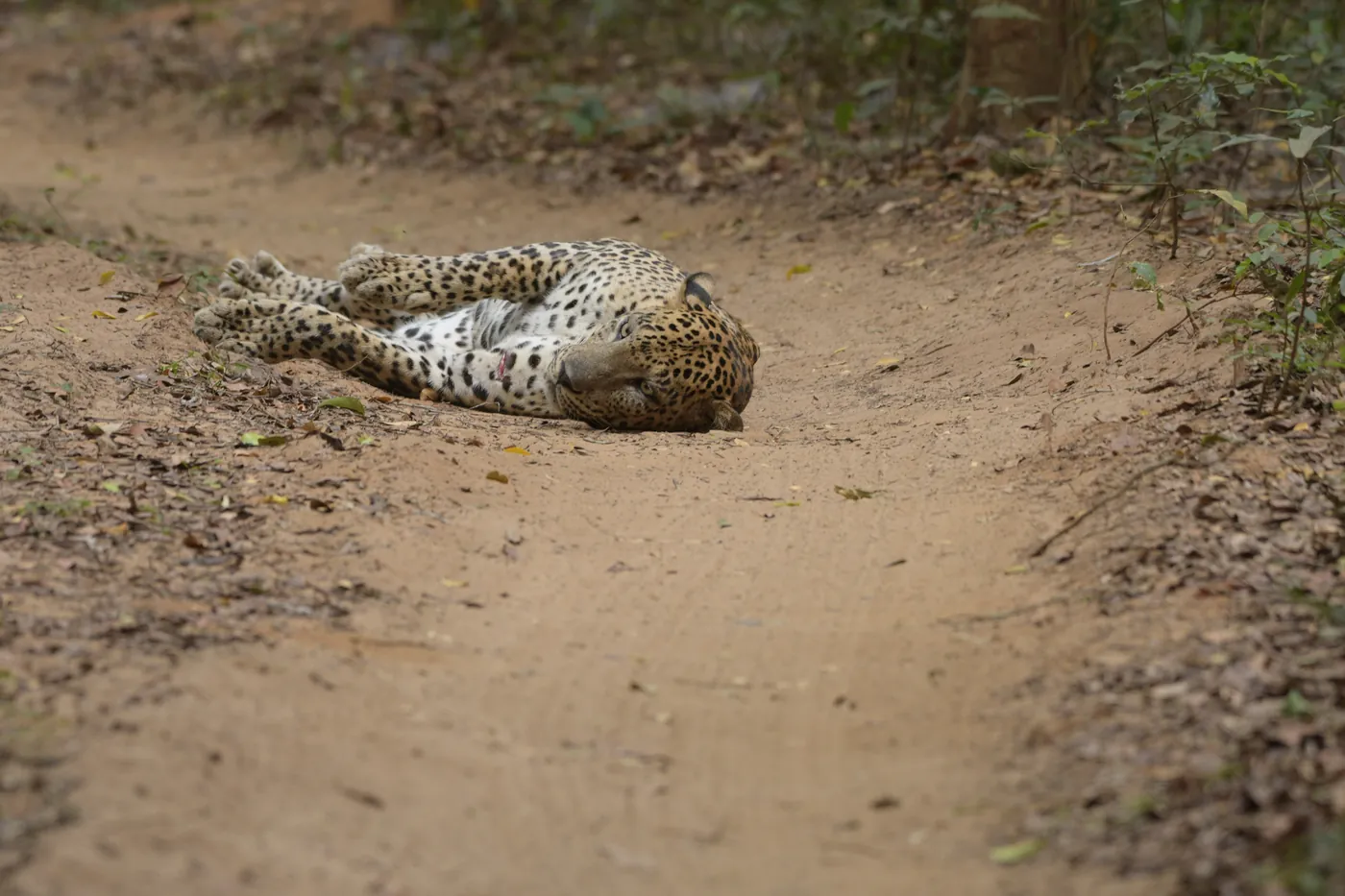
One thing I like about Wilpattu National Park is that it feels very different from the more familiar safari routes in Yala National Park. The landscape is thicker, the roads are shady and sandy, and there are long stretches where you may see nothing but the forest. Then suddenly, you may come across a sloth bear or a leopard walking under the shade. But not every safari guarantees great sightings, so you’ll have to understand that before doing a safari there.
Where is Wilpattu located, and how can I reach there?
Wilpattu is located in northwestern Sri Lanka, mainly across the Puttalam and Anuradhapura districts. The park has two entrances; the main one is in the Hunuwilagama area, located off the Puttalam to Anuradhapura road. The other one is called Eluwankulama; it lies on the northern fringe of Wilpattu National Park in the North Western Province. The access route passes through scrub forest areas and seasonal wetlands. Roads leading to this entrance can become difficult to navigate during heavy monsoon rains, so it’s not a very popular way to enter the park.
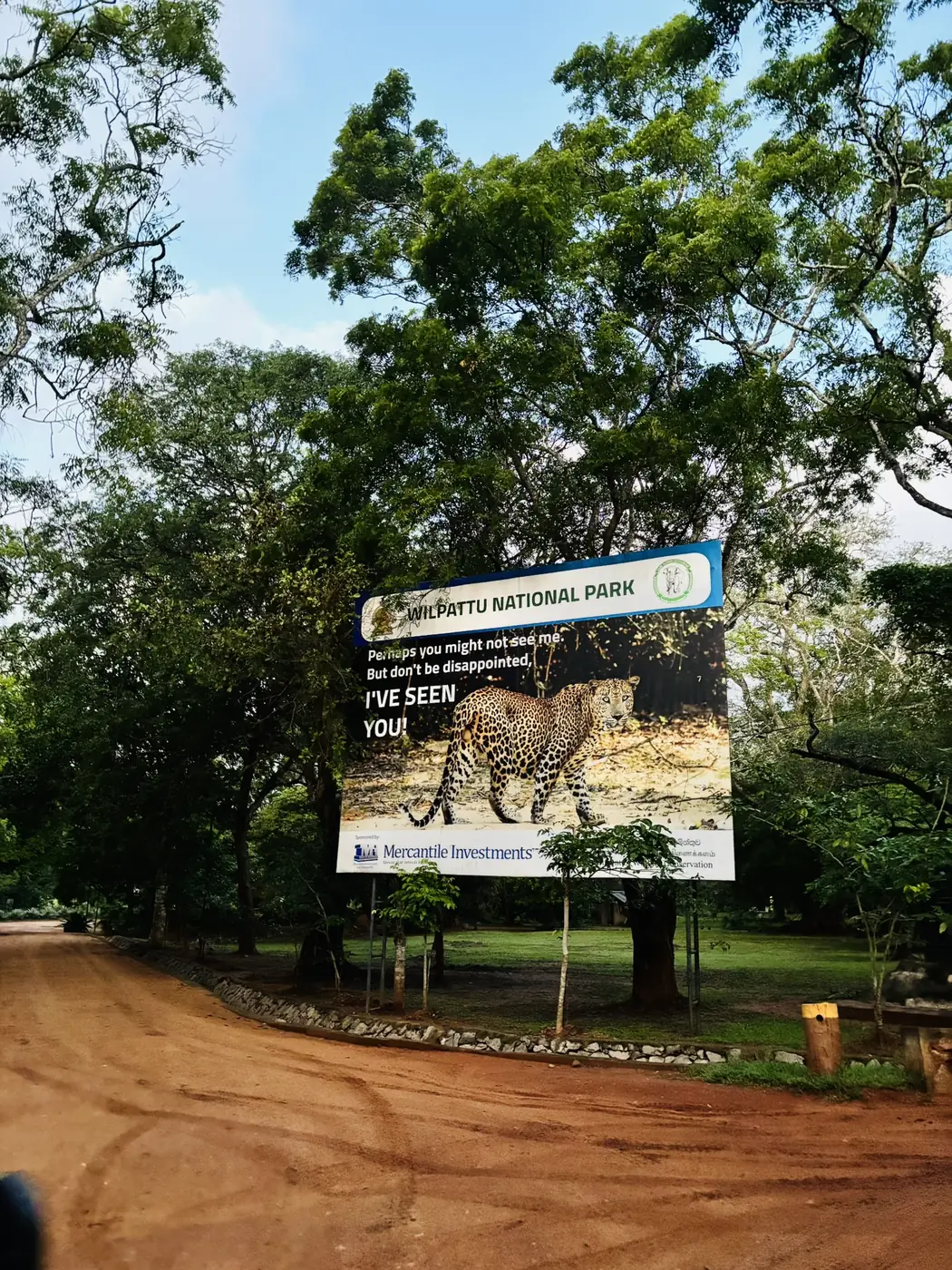
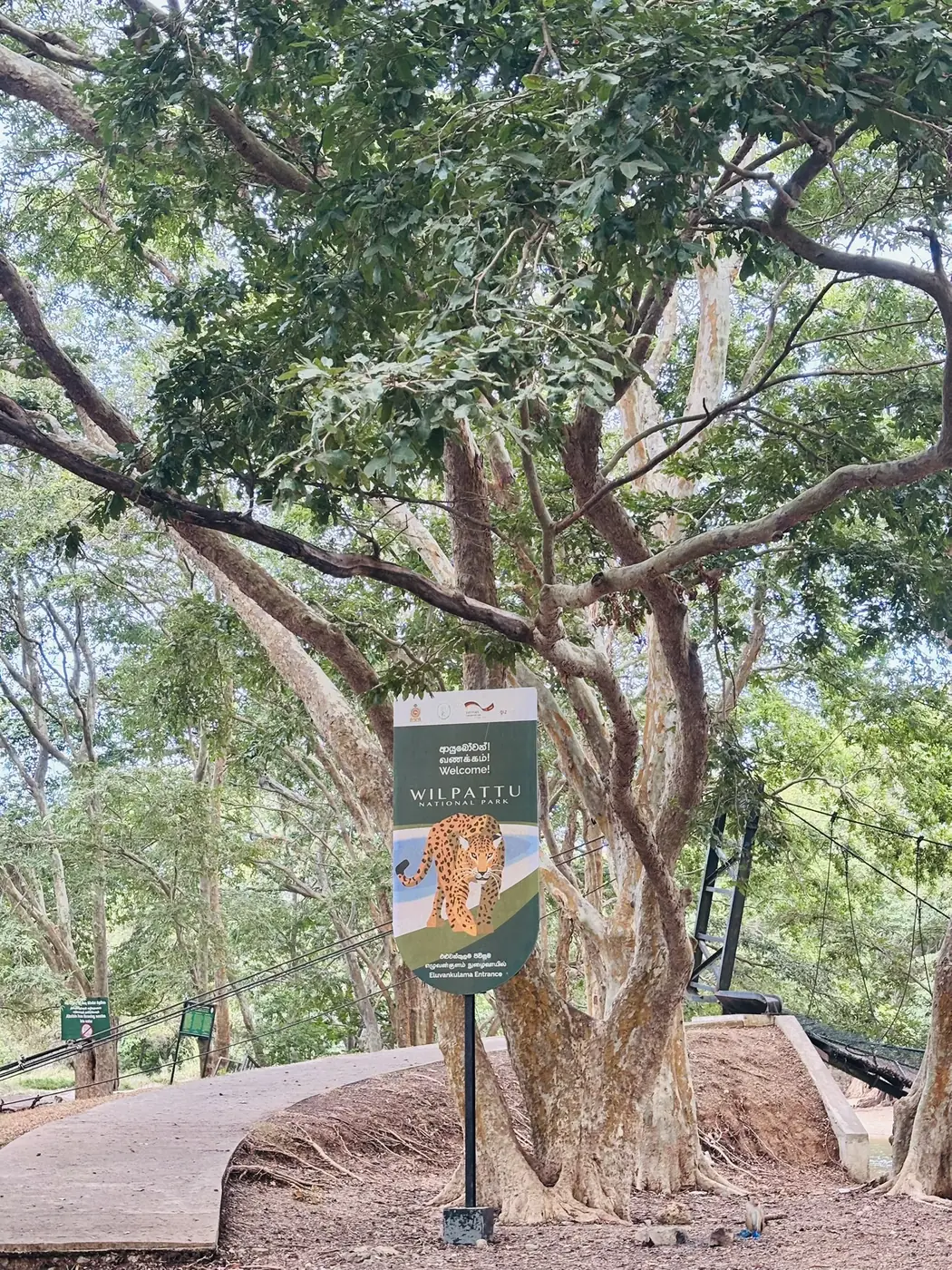
Wilpattu is roughly 190-190 kilometers away from Colombo, depending on the route you take. If you are coming from Colombo, I wouldn’t recommend driving there for a short safari and returning to Colombo on the same day. There are many hotels, from budget options to star-class hotels, in the area. Also, Anuradhapura is a great base for visiting Wilpattu National Park. So, if you are travelling across the Cultural Triangle, visiting Wilpattu while you are in Anuradhapura can be a great option.
If you’re planning to base yourself in Anuradhapura, there are plenty of places to stay to choose from.
The most comfortable option is a private car or taxi. If you prefer, buses pass through Nochchiyagama. However, no buses run to the park entrance, so the safari jeep must pick you up from the main road.
What’s special about Wilpattu National Park?
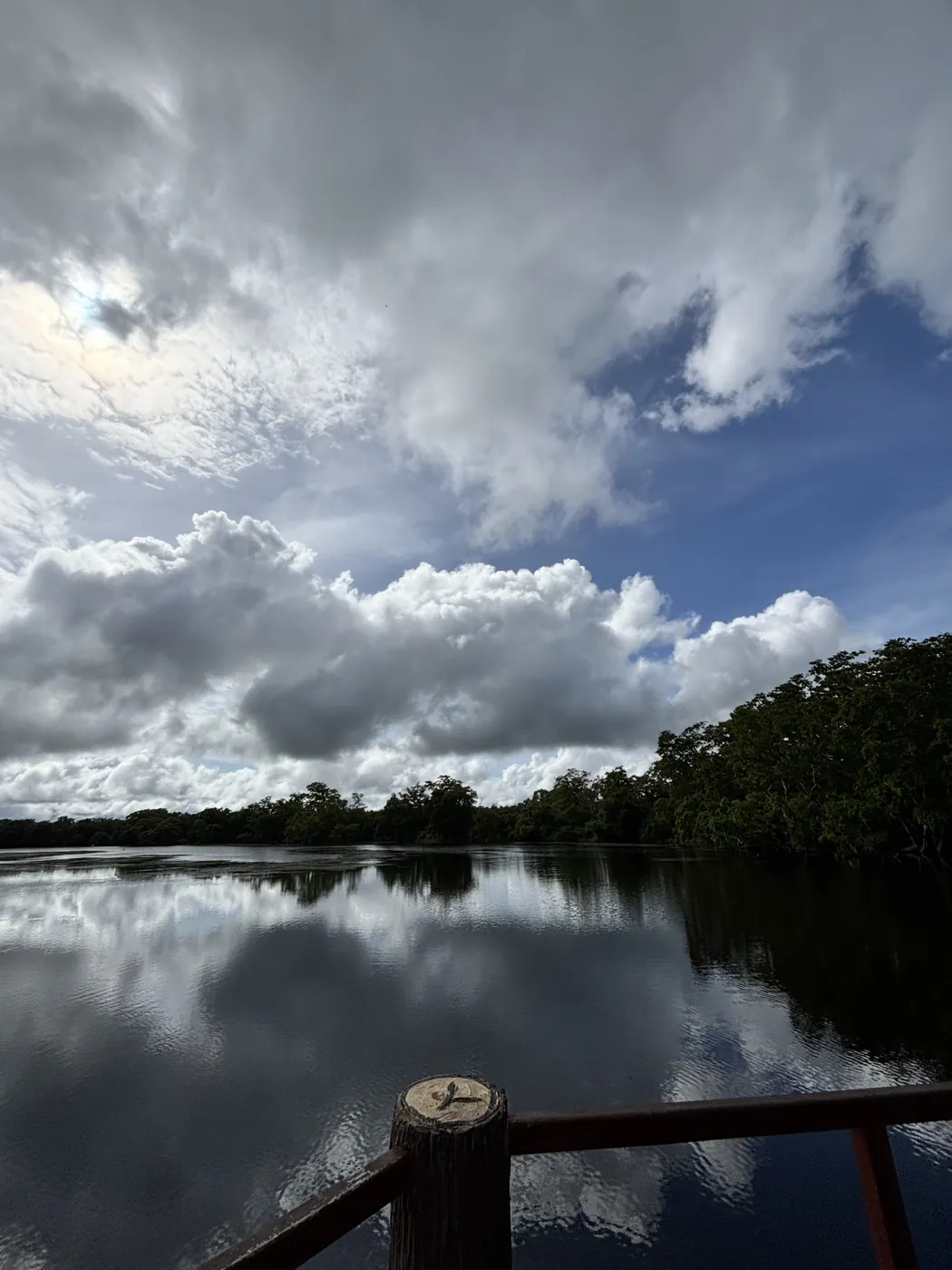
Wilpattu is famous for the natural shallow lakes. These are water-filled depressions you can see throughout the forest, called “Villus”. The name of Wilpattu is associated with that idea: a “land of lakes”. These water bodies play a major role in the national park. When it comes to the dry season, these become hotspots for wildlife viewing as the animals are more likely to use the available water resources.
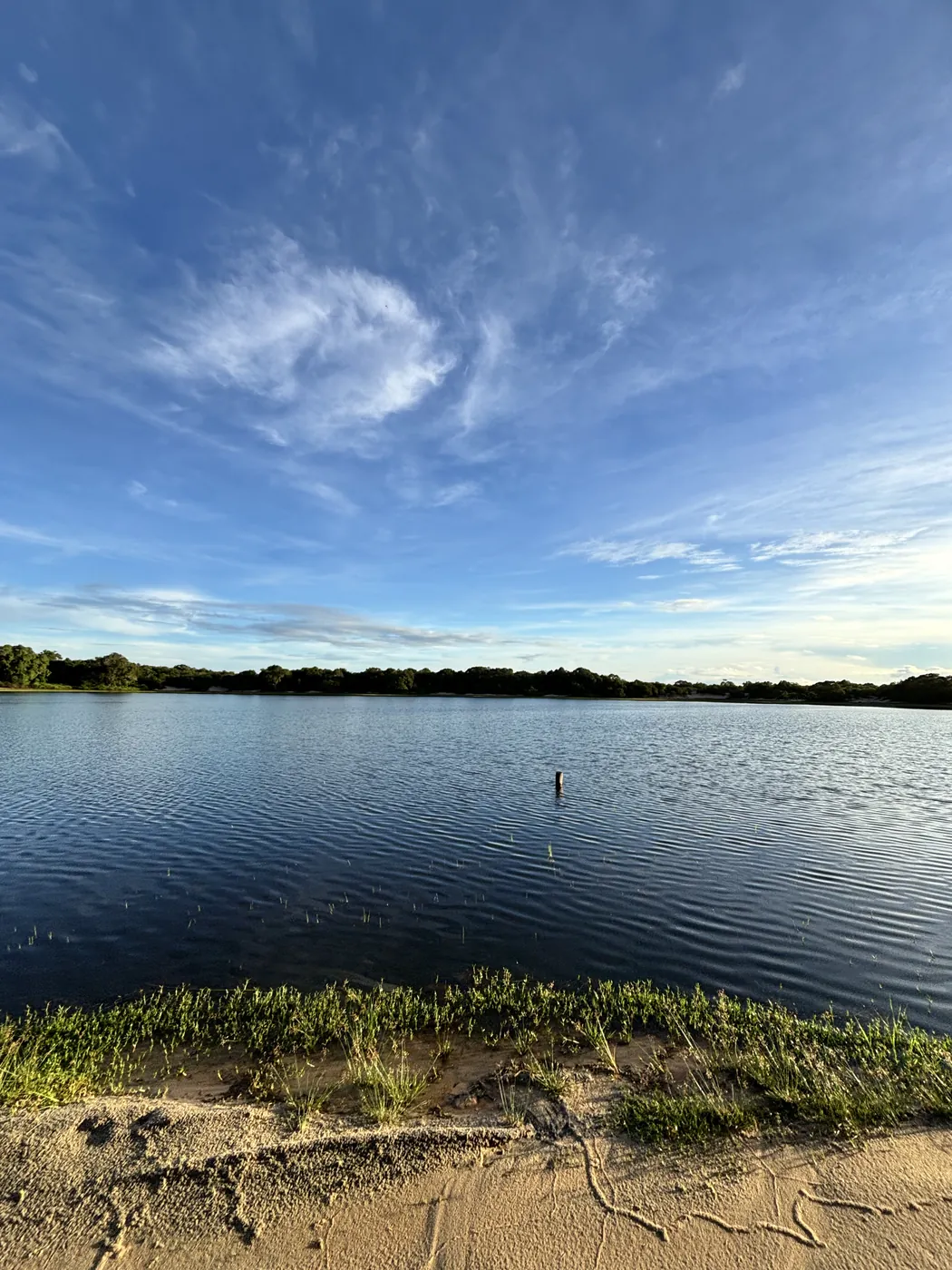
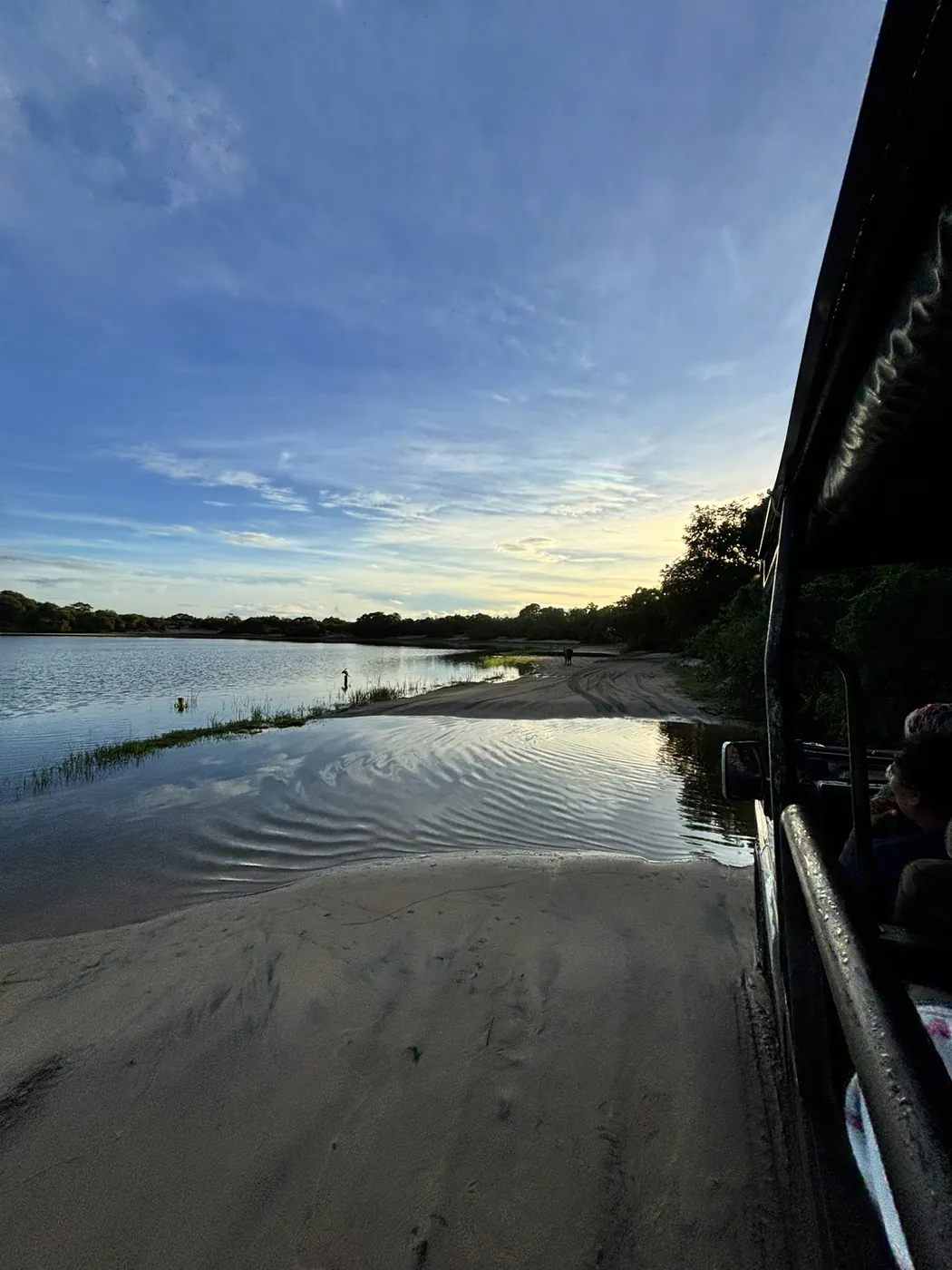
If you are a birder, you will find these to be fascinating birding spots. And the landscape also makes Wilpattu more special compared to other parks with open plains. You will often drive through dense vegetation before entering the areas with lakes and sand banks.
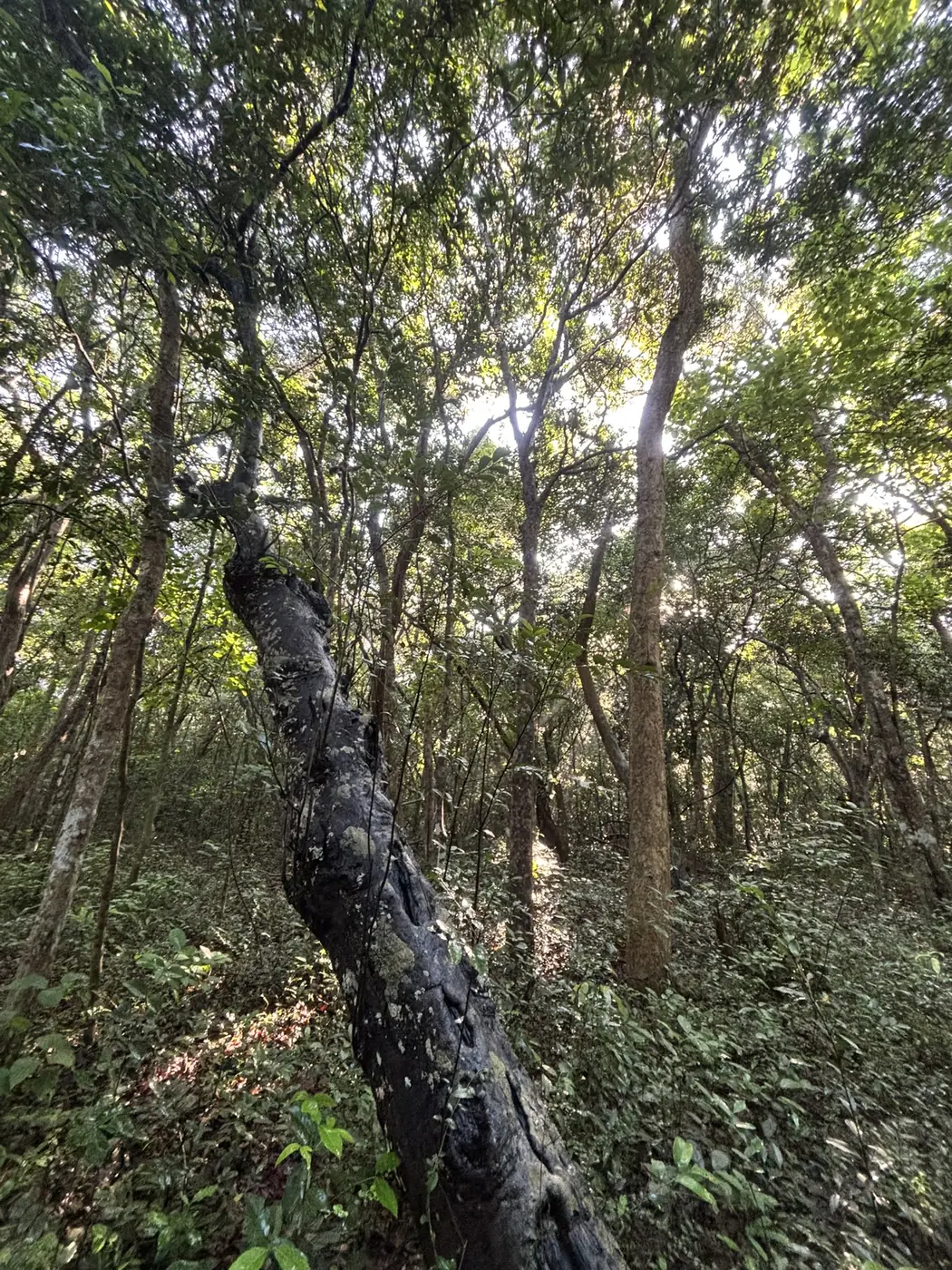
Other than the wilderness of the national park, this is one of the oldest national parks in sri Lanka and the largest National Park as well. The history of the area goes back to 543 BCE; there is a point on the edge of the National Park where Prince Vijaya landed on this island and met the local princess Kuveni of the Yaksha tribe. Traditional chronicles like the Mahavamsa state that recorded civilisation began around 543 BCE with the arrival of Prince Vijaya from North India. So there are some ruins of the buildings of this era as well, but to reach those you’ll need a full-day safari as they lie deep inside the jungle. And the access road to the famous Kudiramale beach area has been blocked by floods due to a cyclone in November 2025.
What to expect in Wilpattu National Park?
Wilpattu is famous for leopard sightings, but there is much more to enjoy during a safari. Many international visitors choose Wilpattu for leopards. The park is a great habitat for leopards, but spotting them is a bit difficult with the thick forest patches. If you don’t spot one, keep in mind that wildlife keeps moving all the time.
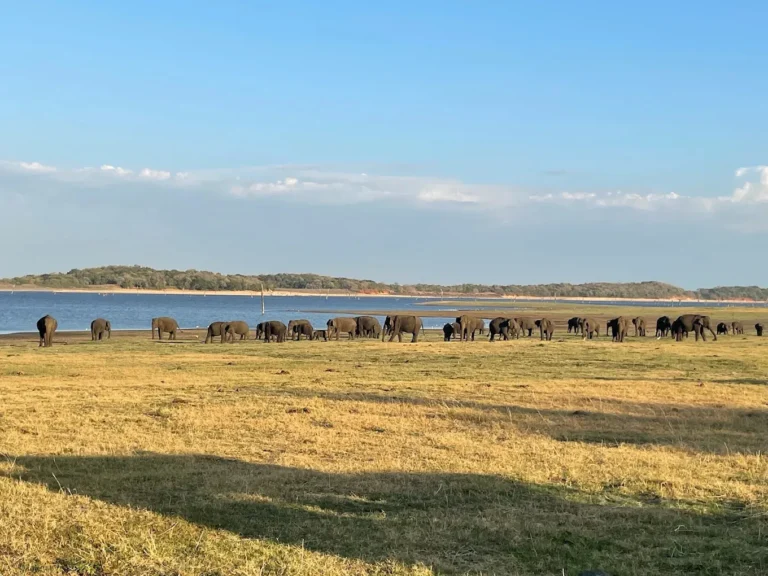
Other than leopards, the sloth bears are exciting animals. If you come during April – July, there is a high chance of seeing them, as the seasonal fruits are available during these months. Elephants are also found in the park. The last time I visited through the Eluwankulama entrance, we saw a herd of elephants even before entering the park.
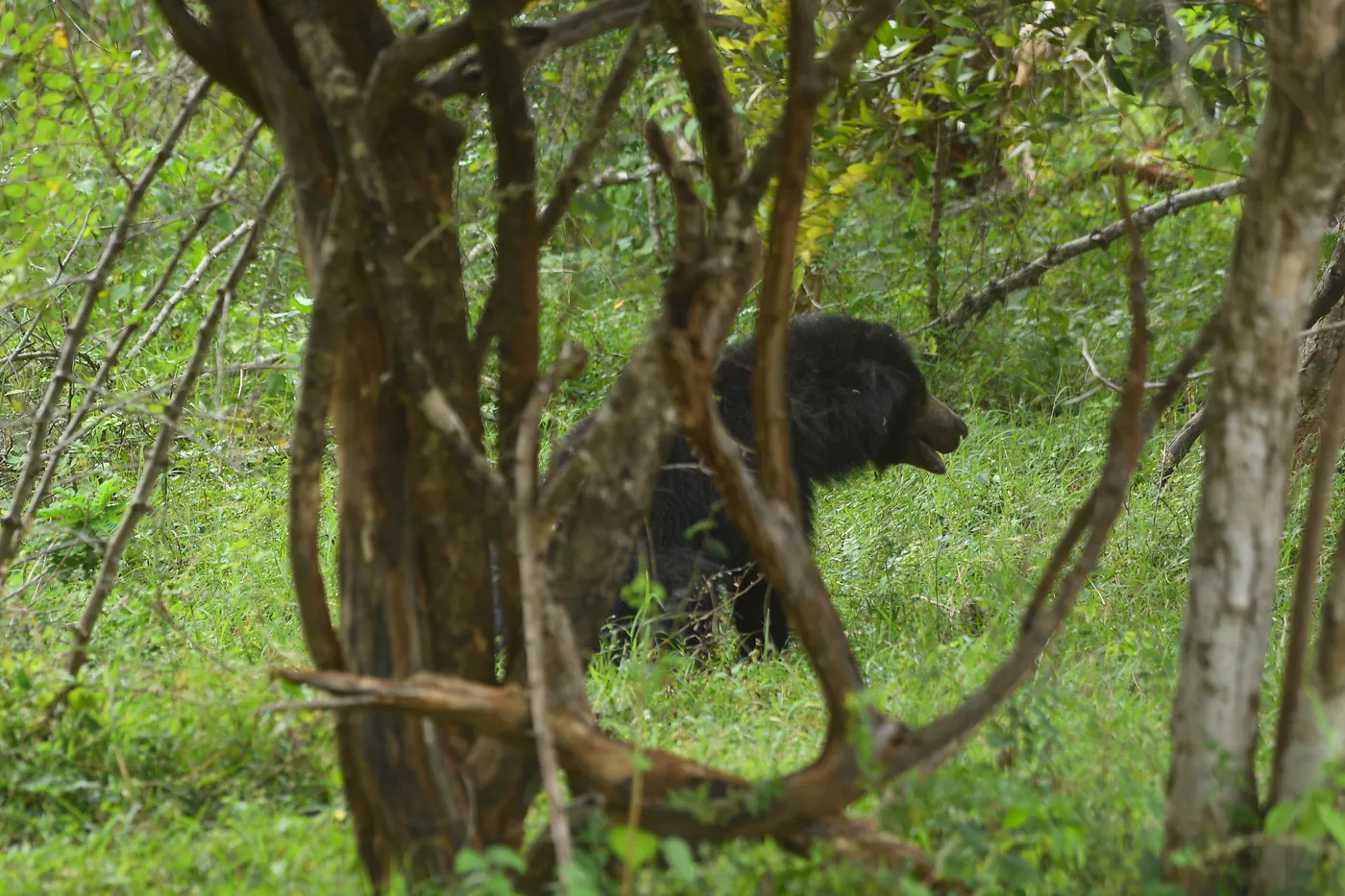
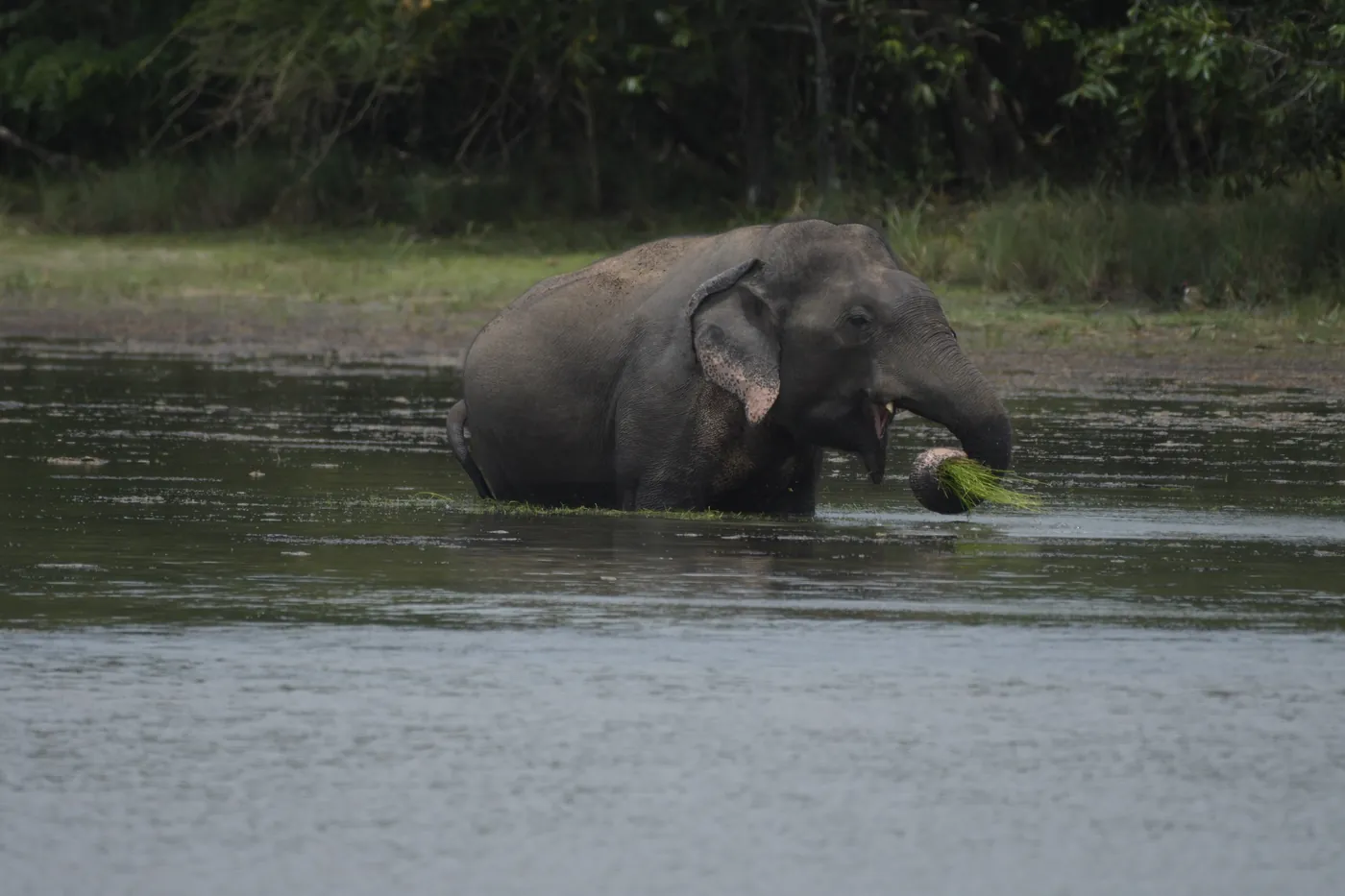
And then the deer, monkeys, and buffaloes are also there in the national park. Other than the birds around the shallow lakes, you’ll see serpent eagles and crested eagles close to the main road of Wilpattu. Even the large animals are hard to spot; a safari can still be rewarding if you take time to enjoy smaller wildlife.
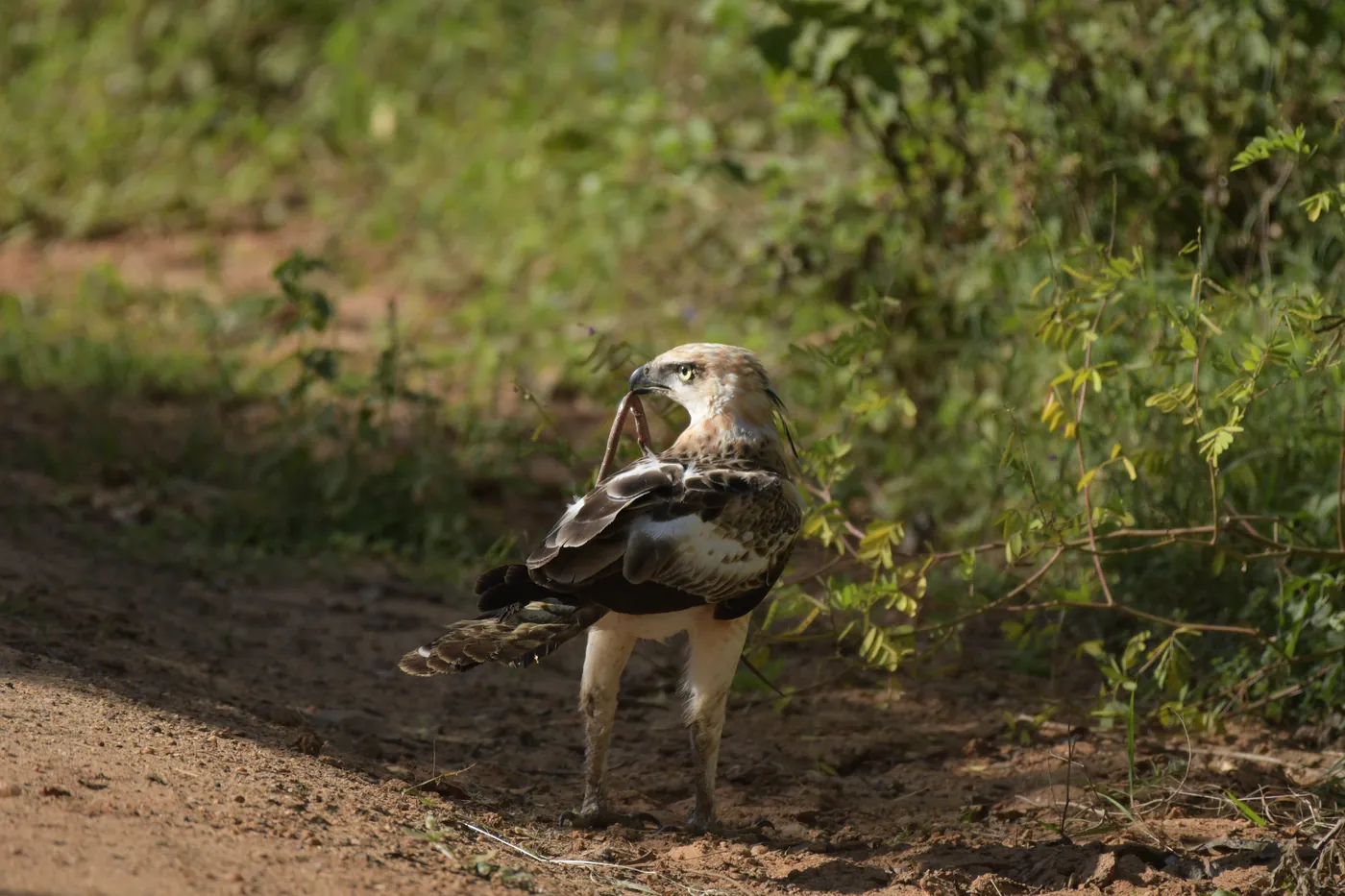
A good safari driver can make a difference in your experience as they understand the animal behaviour and know the tracks and areas where sightings have occurred in previous days.
What time is good for a safari and what time of year should you visit?
As I said, this is the largest national park in Sri Lanka, so if you have time in the itinerary, I would suggest a full-day safari. Unlike Kaudulla National Park, it doesn’t change the experience much if you go in the morning or afternoon. But if you prefer to see the birds, you can pick the early morning safari. Same as any other national park in Sri Lanka, Wilpattu is also open from 6:00 AM to 6:00 PM. A half-day safari is a good option if you are short on time, but if you need to spend a good day in the wild with wildlife photography opportunities, go for a full-day safari.
If you are travelling during the dry season, you’ll probably see more wildlife around the water holes. It’s generally from May to October, but there is no one month as guaranteed as the “best” month to visit the area. Weather in Sri Lanka is very unpredictable, and since Wilpattu is a large ecosystem, the drier months and rainy months can give you different experiences.
How can I visit Wilpattu National Park?
As with any national park in Sri Lanka, you’ll have to buy a ticket from the gate before entering Wilpattu. There are two entrances; you can either buy on site or book the tickets online from the wildlife department website.
And you need a safari jeep to enter; do not expect to drive in your regular car, as the roads are not in good condition. If you plan for a full-day safari, contact the operators and get the full amount, including lunch, as there are no shops to stop and eat in the rest area of Wilpattu.
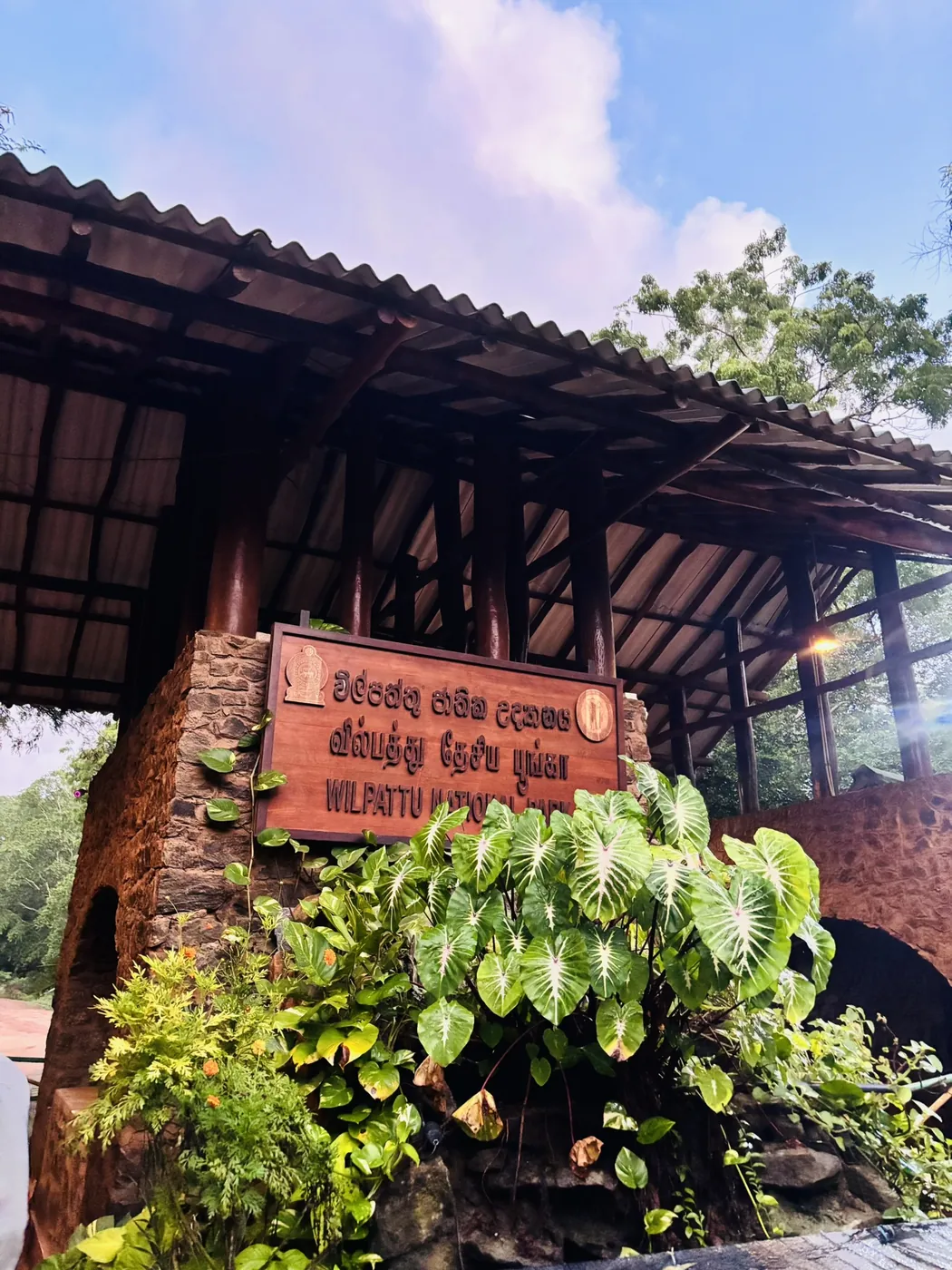
If you’d rather not arrange the jeep and driver yourself, a private full-day safari from Anuradhapura, with hotel pick-up, takes care of it.
And a packing list?
It’s the usual safari packing list I would suggest here.
- Drinking water ( Reusable bottles)
- Hat or a Cap
- Sunscreen
- Light, comfy clothes that are in ground colours.
- Binoculars and the camera (telephoto lenses if you have)
- Power bank
- Snacks ( When having snacks, be mindful about monkeys!)
Any tips for a great safari?
Find a good operator, and explain the driver before you head in about your expecvtions. I have seen some visitors only focus on birds during a safari. And other than that, I would say the safaris should be ethical. Just don’t encoutrage a drivwe to chase a leopard , elephant or a bear for a photograph. Never feed wildlife. I speacially mention this as there are a lot of monkeys in the rest area that will have sad faces asking for food.
Is Wilpattu National Park worth visiting?
If you are a wildlife lover or even a regular traveller looking for new experiences, Wilpattu is a great location. This park is less crowded than other national parks, and it’s not about ticking animals off a list you made. In the wild, some days are good with spectacular sightings, and some days you only see birds.
For me, seeing birds around the water holes, the long shady road and the landscape is also important, as well as seeing a leopard. So if you are planning a Sri Lankan wildlife trip and want to experience the usual, most popular southern safari route, you can put Wilpattu National Park on your trip.