Disclosure: This article contains affiliate links to tours, tickets and other Sri Lanka travel services. If you book through one of them, we may earn a small commission at no extra cost to you. It never changes what we recommend.
Welcome, sweet travellers!
Jungle and beach. Two words that seem to contradict each other, don’t they? So let’s uncover the reality behind the name. Join me as we explore the story of this lovely place, along with its dos and don’ts. Let’s dive into the beauty of Jungle Beach together.
What Makes Jungle Beach So Special?
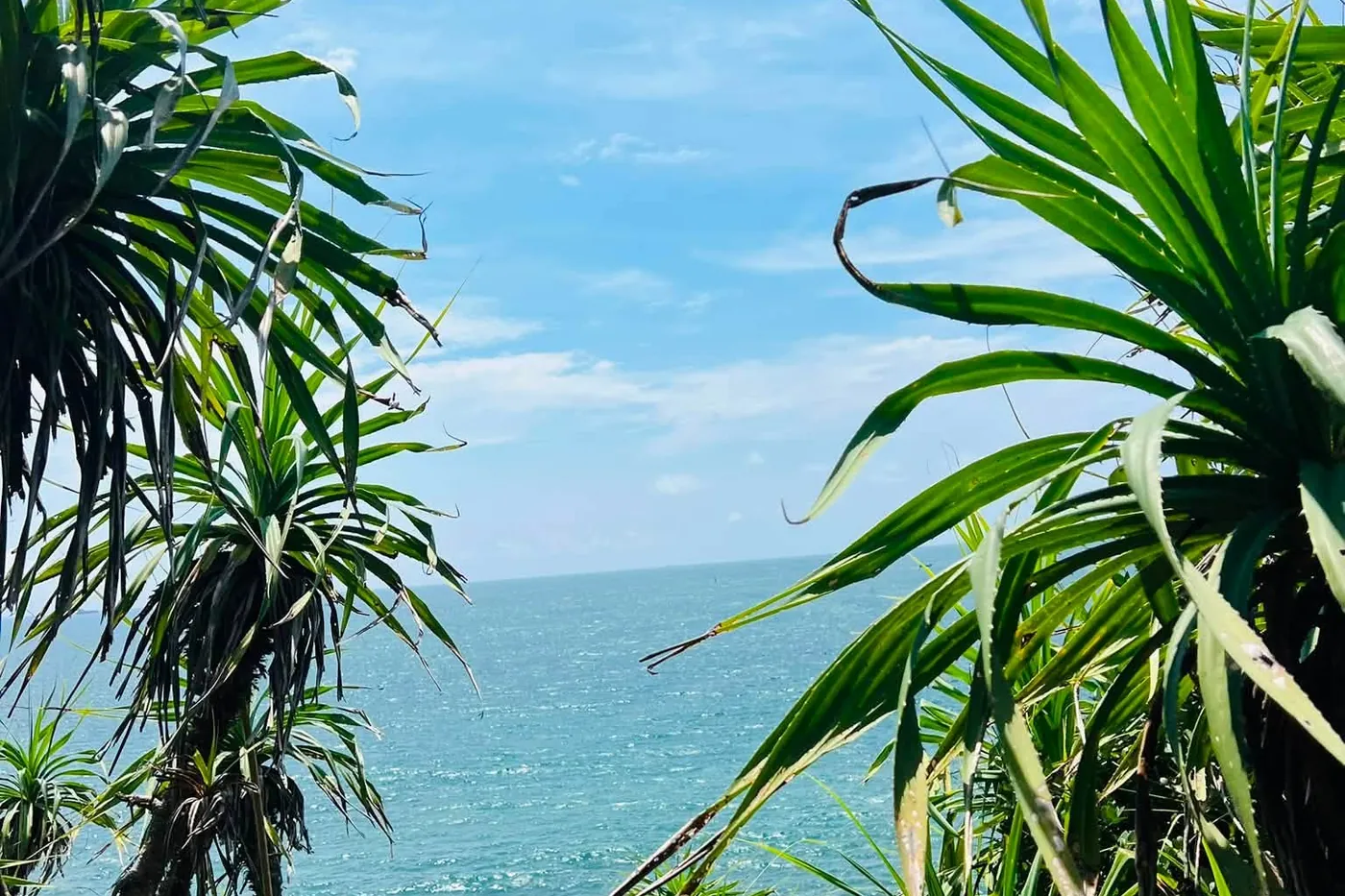
Jungle Beach takes its name from its setting. The bay lies between the forested slopes of Rumassala Mountain on one side and the open sea on the other, so this is a place where the shore meets the greenery.
Arthur C. Clarke, the celebrated author and futurist who made Sri Lanka his home, lived in this area. He was drawn to its rich biodiversity, and it is said he even speculated that this land might be part of a meteor. Whatever the truth, the variety of plants, the pale sand, and the colourful coral reefs offshore make this beach stand apart from its neighbours.
A reef like no other
The coral reef here is among the most diverse in Sri Lanka. A 1993 IUCN report recorded about 491 species of fish. Of 72 endangered fish species, 36 were found right here. Another 64 species had not been seen anywhere else in Sri Lanka, and some say there may be more still waiting to be identified. Pretty amazing, isn’t it? No wonder the reef is so loved for snorkelling.
The legend of the Himalayan hill
Local legend ties the place to the Ramayana. When Rama’s younger brother Lakshmana was wounded in the war against King Ravana, Hanuman was sent to fetch a healing herb. Forgetting its name, he carried back an entire piece of the Himalayas, and Rumassala is said to be a chunk of that mountain. That, the story goes, is why the hillside holds such a variety of plants, some believed to have come from the Himalayas.
How to get to the Jungle Beach
If the hustle and bustle of the southern beaches has left you weary, this is the place to come for peace and tranquility. I bet you’re already dreaming of Jungle Beach after reading all that, so let’s go straight to the directions for the eager ones.
By road
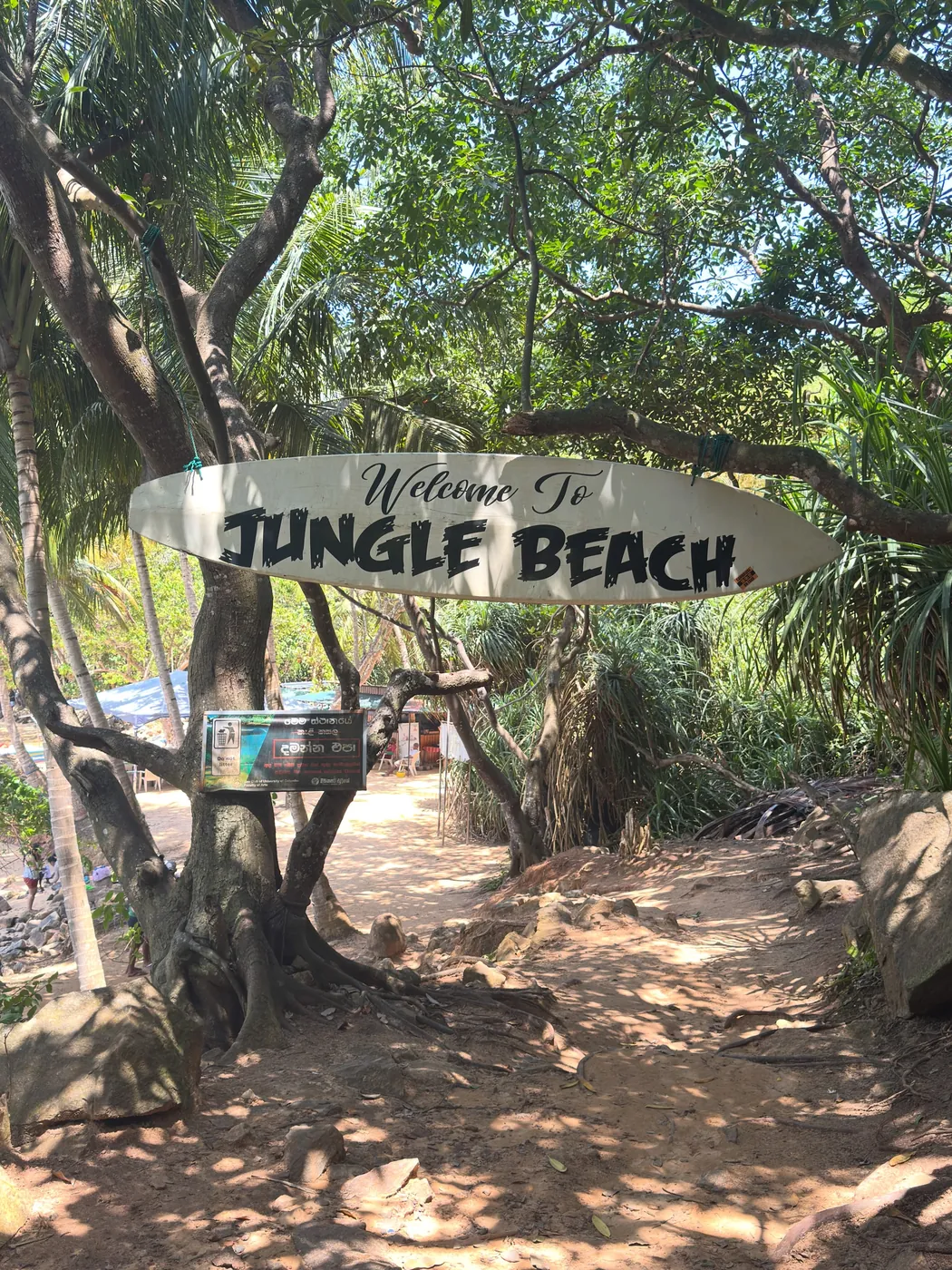
Jungle Beach sits on a part of Rumassala Mountain, as mentioned earlier. To find it, search for “Jungle Beach Unawatuna” on Google Maps. From Galle, head about 5 to 6 km towards Matara along the main road, then follow a narrow road for 2 km beneath a cool canopy of trees. After passing a few roadside kiosks, look for the signboard that reads “Jungle Beach” and the parking lot.
Before the final destination, there is another place. If you follow the signboards of the Blue White restaurant, that will lead you to the white sand beach. The last stretch of road is damaged, so park your vehicle and walk the final 250 metres. But difficult roads often lead to beautiful destinations! Look to your left, and you’ll see the rocks. Jungle Beach lies right next to them.
From Unawatuna
If you’re staying in Unawatuna, you have a few ways to get here:
- By boat: A breezy boat ride is a fun and scenic way to arrive.
- On foot: The walk takes about 30 minutes. Bring a water bottle and apply a good amount of sunscreen, as the sun can be fierce along the way.
- By tuk-tuk: A tuk-tuk from Unawatuna costs around Rs. 500. Confirm the price with the driver before you set off.
Whichever you choose, you’ll enjoy lovely views of the sea, forest, and beach along the way.
Jungle Beach Ticket Price
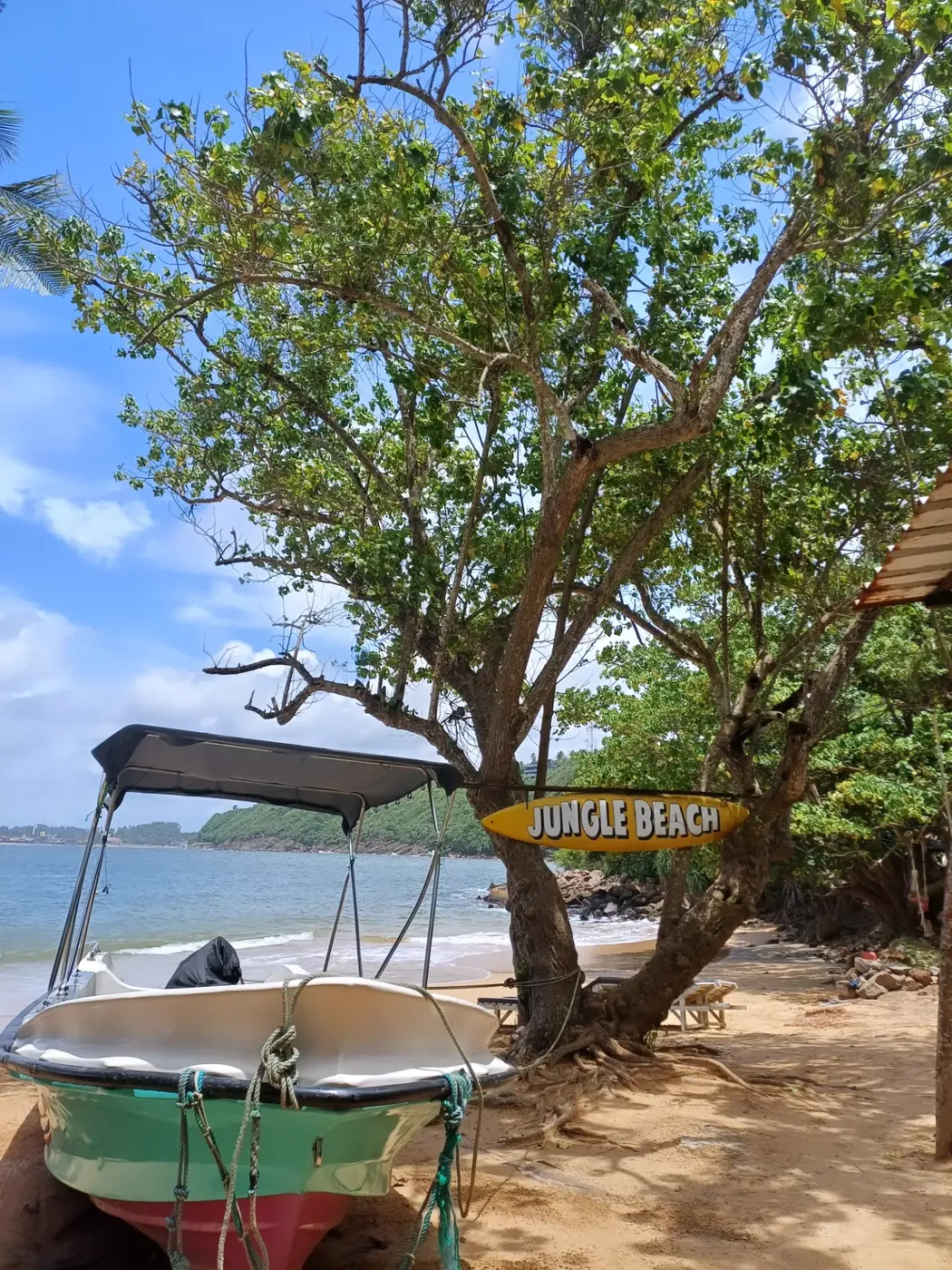
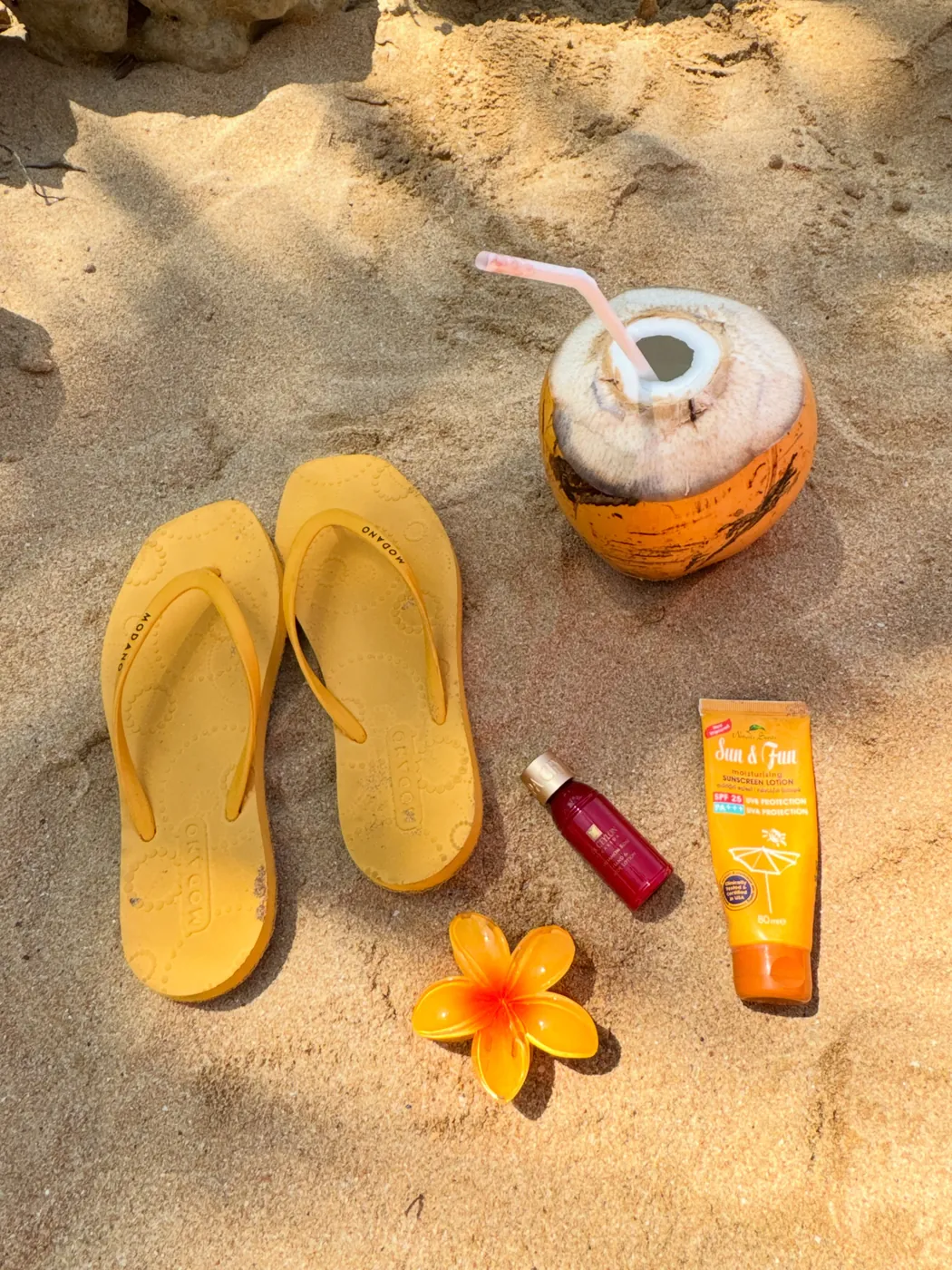
Entry to Jungle Beach is completely free, and if you’re not convinced, just swing by and see for yourself. The only thing you’ll pay for is parking: Rs. 200 for cars and vans, and Rs. 100 for tuk-tuks and bikes. Beyond that, you only pay for food and leisure activities. There’s a bistro on the beach, and plenty of kiosks at the entrance along the route, where you can taste pickles, fresh fruit, Kirala juice, and boiled corn. Forgot your swimwear? You can buy clothes from those kiosks too.
If you’d like to play in the water, you can rent a tube for Rs. 600, or a set of fins and a life vest for Rs. 2,200. Keep in mind that there isn’t enough gear for everyone, so if you can bring your own from elsewhere, your day will be much easier. And so, as you’ve noticed, the Jungle Beach ticket price is nothing at all.
Fun activities around
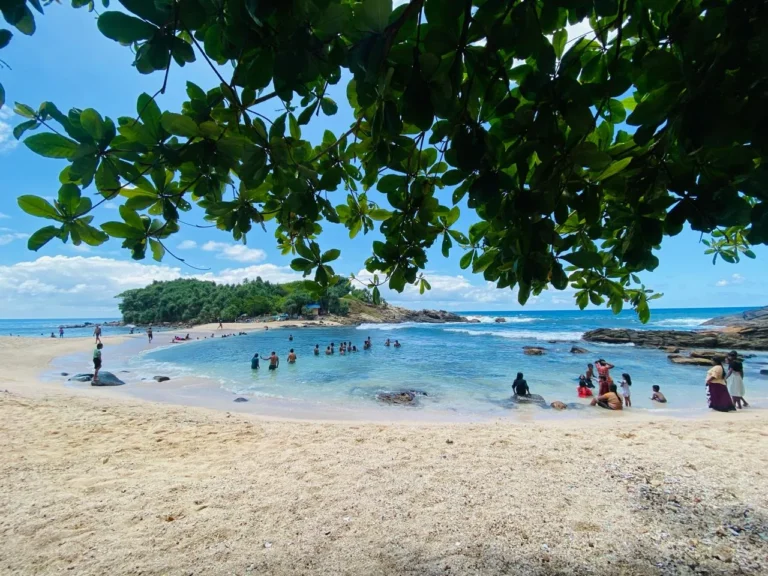
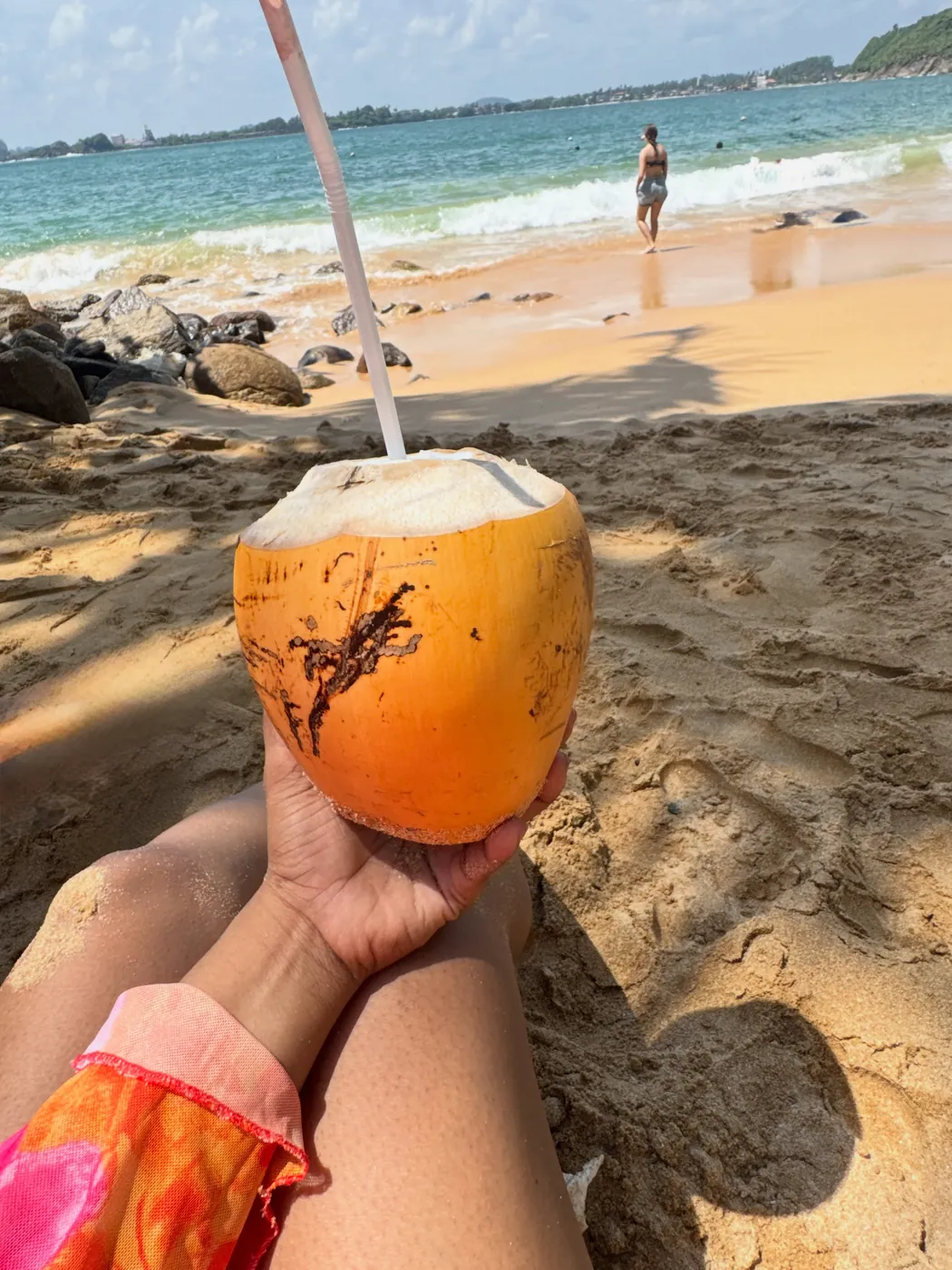
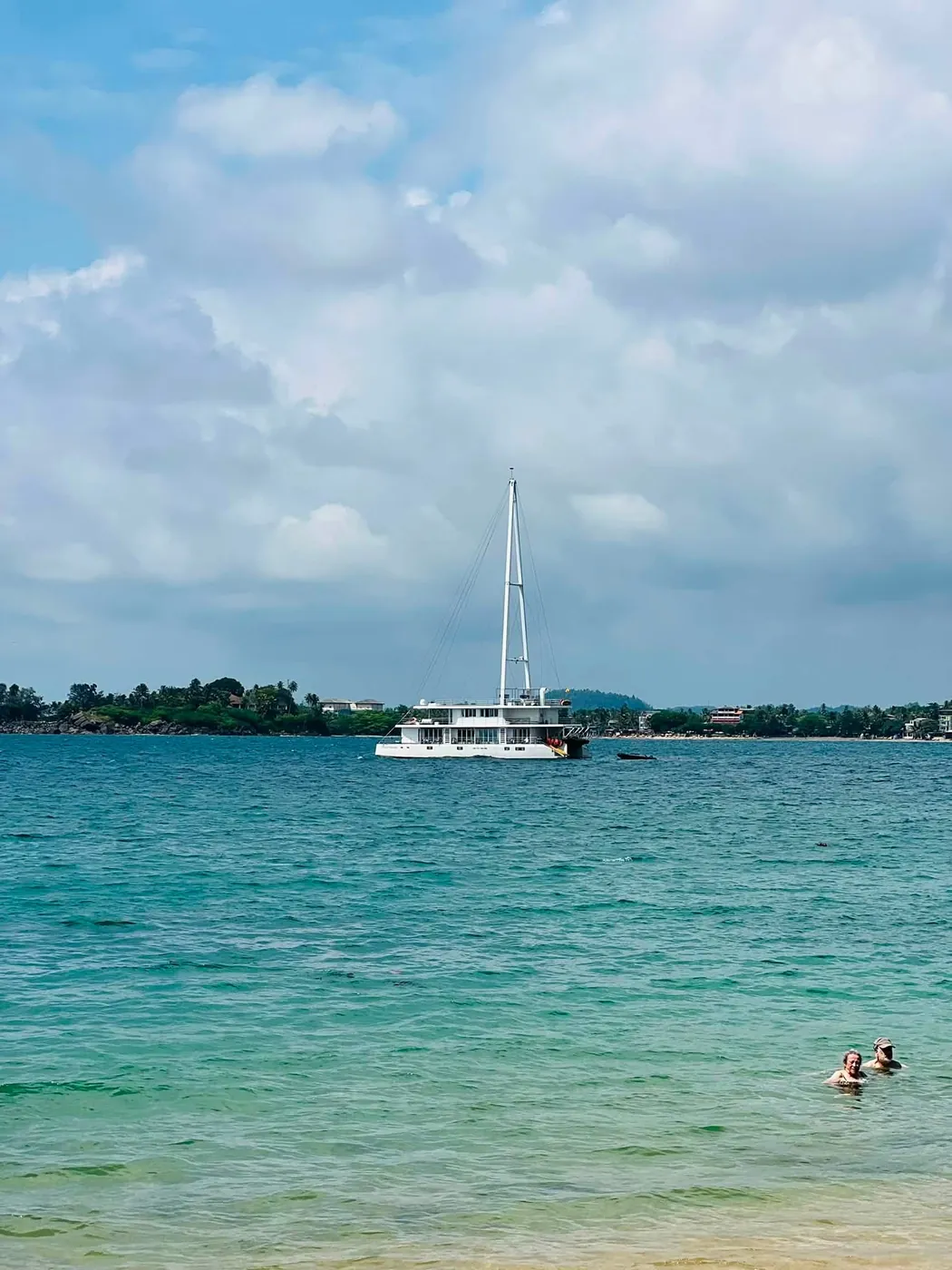
Once you step onto the Jungle Beach, you’ll notice plenty of children splashing about. The coral reef shields the shore from heavy waves, which makes this a wonderfully friendly sea for kids. You may also see locals having a good time, singing and dancing with a beer in hand, and a few couples doing photo shoots along the sand. No matter how hot it is around you, the water here has its own distinct coolness, which is another special thing about this beach. Always look for the marked safety boundaries, and take responsibility for your own safety in the water.
If you’re a diving enthusiast and a confident swimmer, take the route to the left of the main beach instead. It’s a bit of a secret place, ideal for experts, and it is quite deep, so you can capture your best dive shots here. One more word of caution. The rocks are home to small creatures called common limpets, which cling to the surface. Be careful, because even a light touch can give you a nasty cut.
If you’re heading out to snorkel, get ready to spot colourful fish, moray eels, crabs, triggerfish, and more. Afterwards, there are freshwater bath facilities to rinse off, and boat rides are available too, so don’t miss out. Some travellers even camp overnight for an extra dash of adventure.
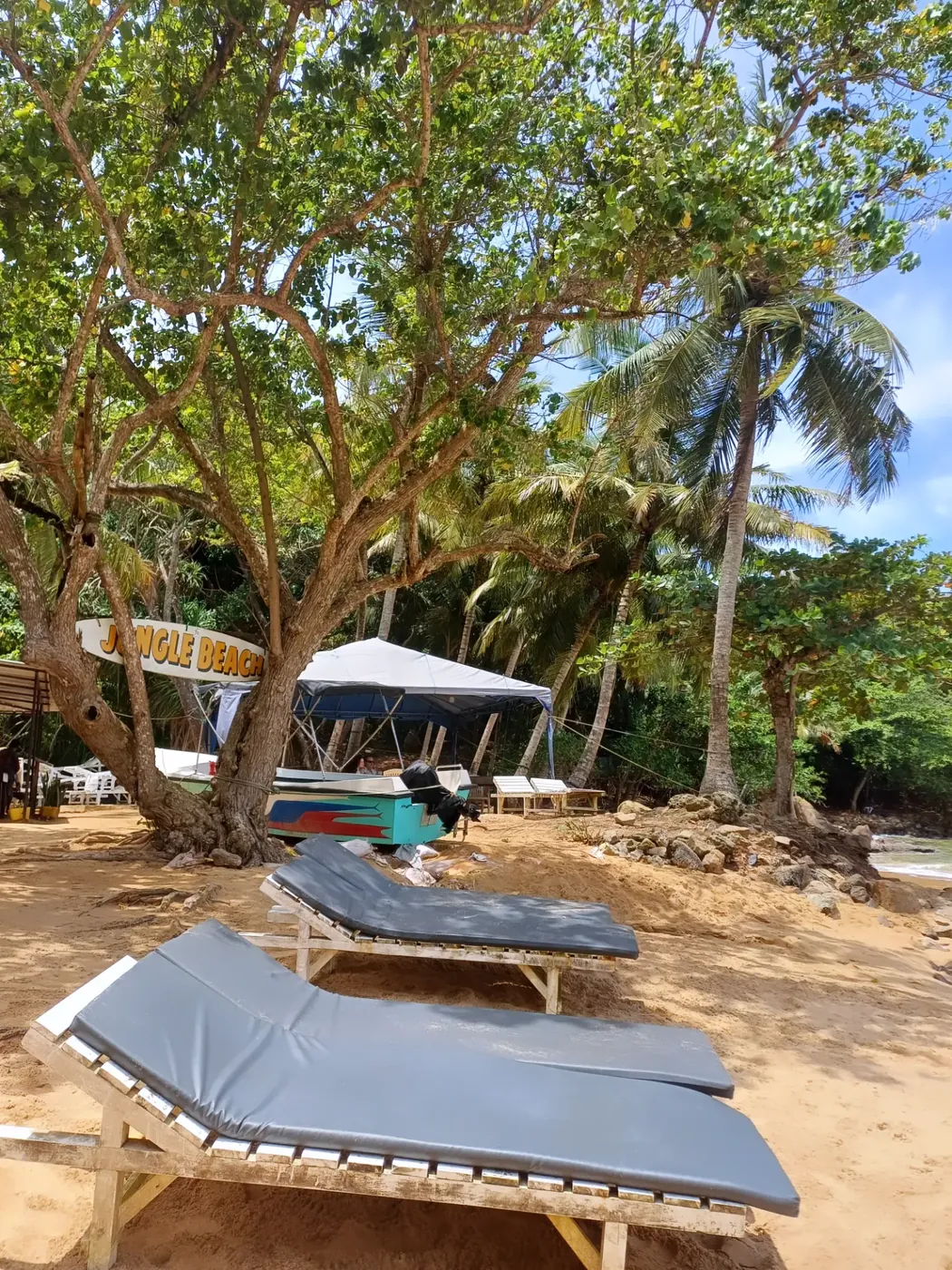
If the beach feels too crowded, here’s a tip for a quieter corner, and, again its the White Beach I mentioned earlier. Walk across the rocky shore to your right, taking care not to stumble, and you’ll find a cool, relaxed spot with sun beds, perfect for sunbathing. There are also some very nice restaurants nearby, within about 200 metres’ walk of the white beach area.
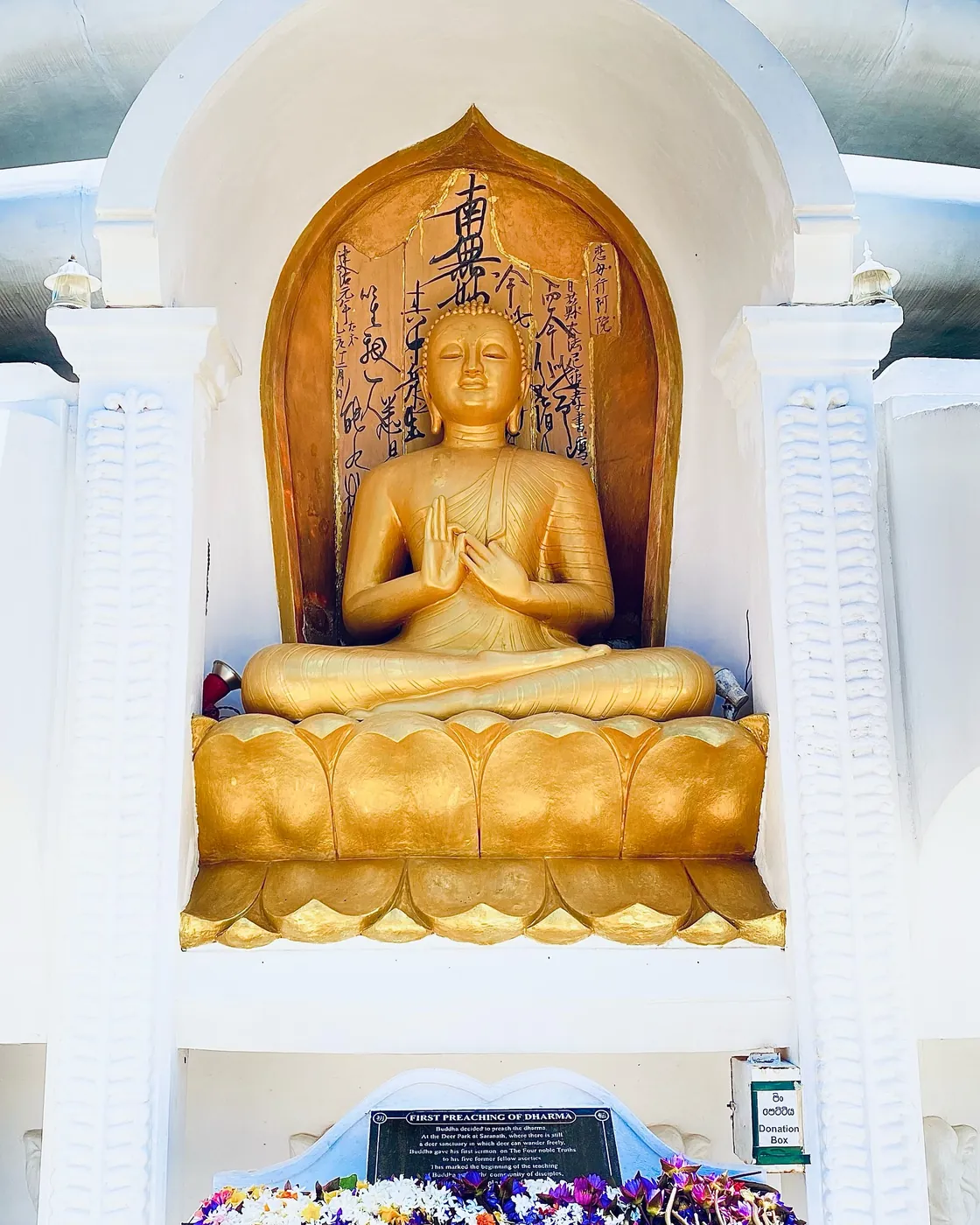
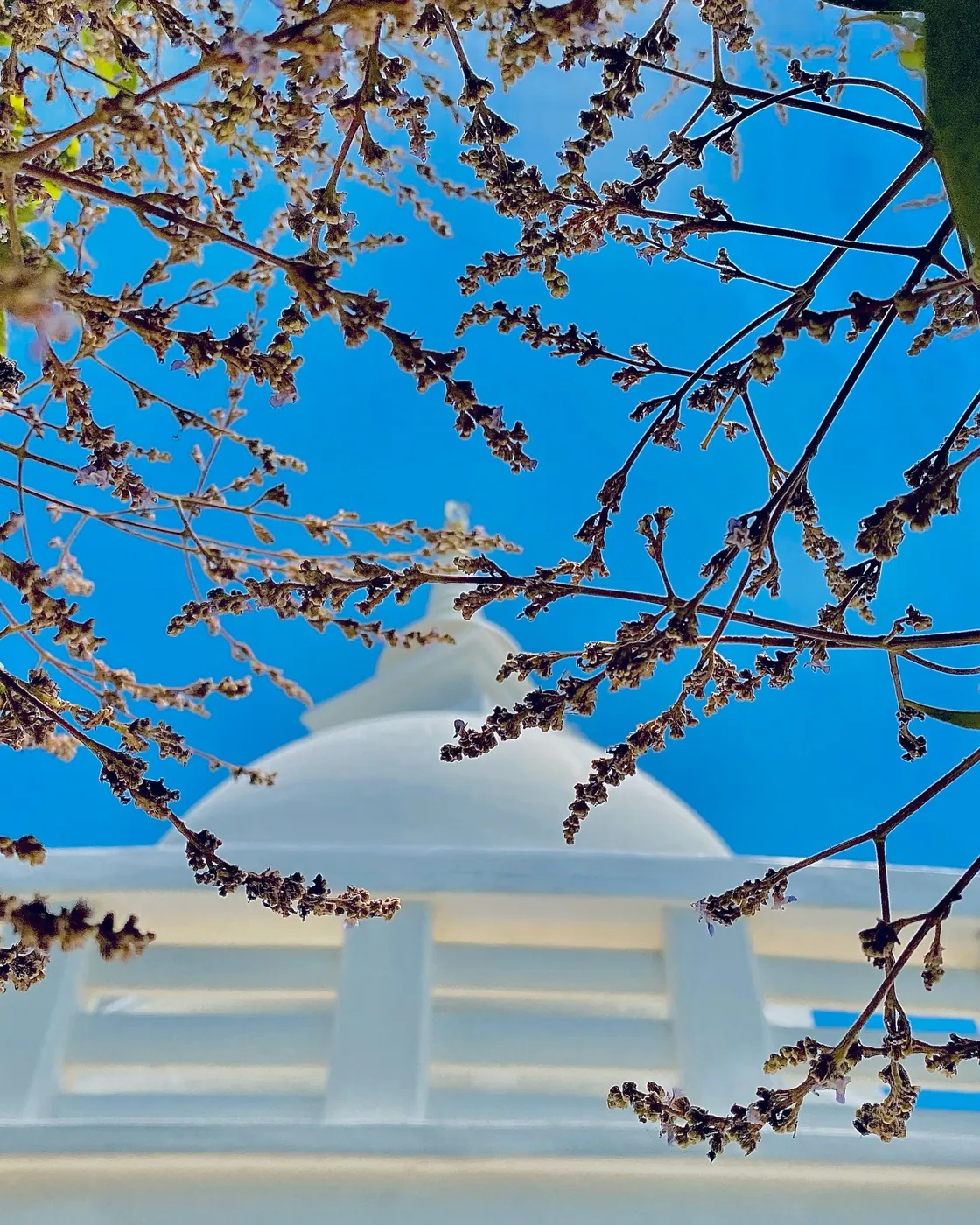
The Peace Pagoda, a gift from a Japanese monk, gleams above the bay. The view from there is wonderful, and it is another spot you shouldn’t miss.
The best time to visit
Jungle Beach gets very crowded on weekends, so if you’re looking for peace, weekdays are the better choice. The main season runs through the dry months, from December to March. The other months are fine too, just less sunny. During the off-season, the beach is quieter, though you may find fewer kiosks and restaurants open than in busier times. Budget accommodation is still easy to find. Whatever the season, mornings are the best time to enjoy the place.
If you’re looking for somewhere to stay nearby, Unawatuna has the widest choice of places close to Jungle Beach.
Wrap-Up
The white sand, shallow water, and safe shore make this beach divine. By now you have everything you need: when to go, how to get there, what it costs, and what to do and what to avoid. All that’s left is to enjoy the vibe, the sea breeze, and the salty taste of this heavenly place. But sometimes people forget to treat nature kindly and spoil its beauty with rubbish. Signboards all around ask visitors not to litter. So let’s do our part and protect this remarkable biodiversity as best we can.
FAQ
Where is Jungle Beach in Unawatuna?
Jungle Beach sits on a part of Rumassala Mountain, near Unawatuna and Galle in southern Sri Lanka. Search for “Jungle Beach Unawatuna” on Google Maps to find it easily.
Why is it called Jungle Beach?
The bay lies between the forested slopes of Rumassala Mountain on one side and the sea on the other, so the shore meets the greenery.
Is there an entrance fee for Jungle Beach?
No, entry is completely free. You only pay for parking, food, and activities such as gear rental.
How do I get to Jungle Beach from Galle?
Head about 5 to 6 km towards Matara along the main road, then follow a narrow road for 2 km under a canopy of trees. After the roadside kiosks, follow the “Jungle Beach” signboard down the slope. The last 250 metres are damaged, so park and walk.
What is the best time to visit Jungle Beach?
The dry season, from December to March, is the main season. Other months are fine but less sunny, and fewer kiosks and restaurants may be open. Weekdays are quieter than weekends, and mornings are the best time of day.
Is Jungle Beach good for snorkelling?
Yes. The coral reef here is among the most diverse in Sri Lanka, and snorkellers can spot colourful fish, moray eels, crabs, and triggerfish. You can rent a tube or a fins and life vest set.
Is Jungle Beach safe for children?
Yes. The coral reef shields the beach from heavy waves, so the water is calm and shallow near the shore. Always stay within the marked safety boundaries and supervise children closely.